California, once the undisputed champion of the green revolution, is now the battleground for one of the most controversial transportation laws in recent memory. For over a decade, the state has positioned electric bikes as the primary solution to urban congestion and climate change. Through massive rebate programs and the aggressive expansion of cycling infrastructure, California encouraged its citizens to trade their four-door sedans for sleek, battery-powered two-wheelers. However, as the number of e-bikes on the road has exploded, so too has a wave of public outcry over safety, leading to a shocking legislative proposal: mandatory license plates for e-bikes.
The Death of the E-Bike Revolution? California’s Shocking New Bill
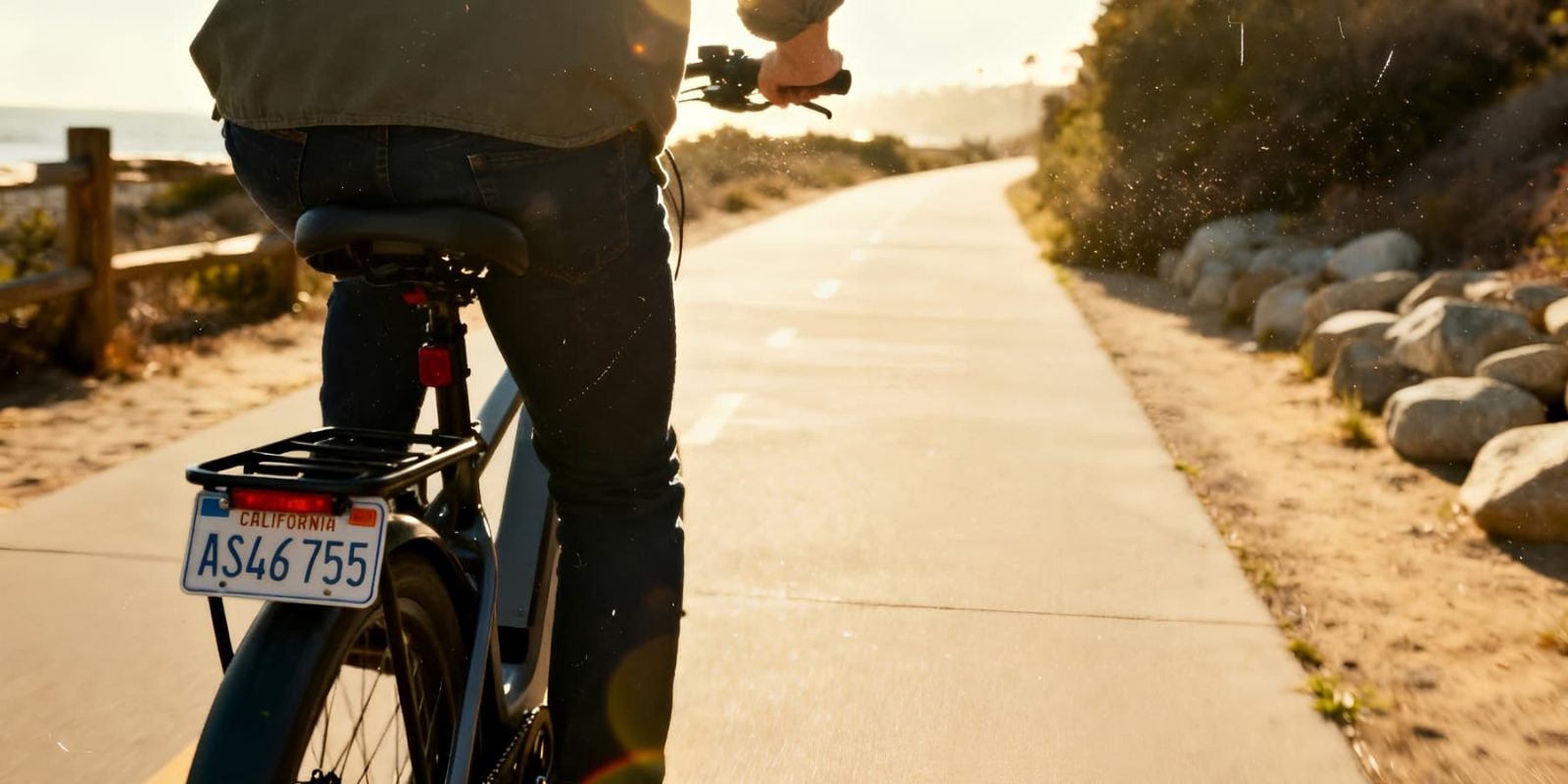
The proposal, which has sent shockwaves through the cycling community, would require every electric bike operating on public roads to be registered with the state and display a visible license plate. This move, which would have been unthinkable just five years ago, represents a radical shift in how the government views micro-mobility. For many riders, the e-bike represented a loophole—a way to enjoy the speed and convenience of a motorized vehicle without the bureaucratic headaches of registration, insurance, and licensing. This bill seeks to close that loophole permanently, effectively categorizing e-bikes as lightweight motorcycles rather than high-tech bicycles.
Why Lawmakers Are Targeting Your Two-Wheeled Freedom
The primary driver behind this sudden regulatory push is a surge in complaints regarding rider behavior, particularly among younger demographics. In many California coastal towns, the e-bike has become the primary mode of transport for teenagers. While this has reduced the need for ‘parental taxis,’ it has also resulted in a spike in sidewalk collisions, high-speed weaving through pedestrian zones, and a general disregard for stop signs and traffic signals. Lawmakers argue that without a way to identify these riders, there is zero accountability. A license plate provides a visual identifier that allows citizens and law enforcement to report reckless behavior, much like they would for a speeding car.
Advocates for the bill claim that the current lack of regulation is unsustainable. They point to several high-profile accidents involving e-bikes where the riders fled the scene, leaving victims with no way to identify the perpetrators. By implementing a registration system, the state hopes to create a database that links every bike to an owner, thereby encouraging safer riding habits through the threat of fines or license revocation. This transition from ‘bicycle’ status to ‘motor vehicle’ status is a bitter pill for many early adopters who see this as a betrayal of the state’s green promises.
Safety Concerns or Revenue Grab? The Youth Ridership Crisis
However, the backlash from the cycling industry has been swift and fierce. Enthusiasts argue that this legislation will stifle the very growth that California has spent millions to promote. The cost of registration, combined with the potential for increased insurance premiums, could make e-bikes unaffordable for the low-income residents who need them most. Critics also point out the absurdity of the proposal, noting that human-powered bicycles can often reach similar speeds but remain exempt from such regulations. ‘Is this really about safety,’ one advocate asked, ‘or is it just another way for the state to squeeze money out of people trying to do the right thing for the environment?’
There is also the question of enforcement. If the bill passes, local police departments will be tasked with monitoring thousands of bikes. This raises concerns about profiling and the potential for increased friction between law enforcement and the community. Furthermore, the logistical nightmare of creating a registration system for the hundreds of different e-bike makes and models currently on the market is a task that the DMV may not be equipped to handle. Despite these hurdles, the momentum for regulation continues to build. For more information on the evolving landscape of electric vehicle laws, you can visit the National Highway Traffic Safety Administration website to see how federal guidelines compare to state-level mandates.
The e-bike was supposed to be the great equalizer, a tool for freedom and environmental stewardship. But as California moves toward a future of plates and registrations, many are wondering if the dream of the open road—on two wheels, at least—is being traded for a system of total surveillance and control. As the debate rages in the state capital, one thing is clear: the days of the ‘unregulated’ e-bike are numbered, and the implications for the rest of the country could be massive. If this bill passes, it will likely trigger a domino effect across other states currently struggling with the sudden rise of high-speed electric mobility.