
The Great EV Invasion: How BYD is Set to Dominate Canada
The automotive landscape in North America is about to undergo its most significant transformation in decades. BYD, the Chinese powerhouse that has already overtaken Tesla in global sales volume during key quarters, is officially making its move into Canada. This isn’t just a soft launch; it is a full-scale retail blitz designed to disrupt the status quo and bring affordable electric mobility to the masses. For years, North American consumers have watched from the sidelines as affordable, high-tech electric vehicles from China dominated markets in Europe, Asia, and South America. The barrier has always been protectionist trade policies. However, the tide is turning, and the first major crack in the wall has appeared in the Great White North.
BYD is not just testing the waters—they are diving in headfirst with a strategy that includes twenty branded dealerships within their first year of operation. This move represents a seismic shift in the geopolitical and economic landscape of the automotive industry. By establishing a physical footprint so quickly, BYD is signaling that they are here to stay, challenging both legacy manufacturers and established EV players like Tesla on their own home turf.
A Dramatic Policy Reversal: The Tariff Breakthrough
The catalyst for this sudden expansion is a shocking policy shift from the Canadian government. Just two months ago, the market was effectively shielded by a massive 100% tariff on Chinese-built electric vehicles. This tariff was designed to protect domestic manufacturing and align with US trade interests. However, in a move that has left industry analysts stunned, Canada slashed that tariff to a mere 6.1%. This 93.9% reduction has essentially unlocked the gates for foreign competition. It transforms Canada from a fortress into a playground for manufacturers like BYD.
By removing the primary financial hurdle, the Canadian government has signaled a prioritization of climate goals and EV adoption over trade isolationism. For BYD, this represents a golden opportunity to establish a foothold on the continent, potentially using Canada as a springboard for future North American endeavors. The low tariff allows BYD to maintain its legendary competitive pricing, which has already disrupted markets across the globe. Without the burden of high import duties, the price-to-performance ratio of BYD vehicles will be nearly impossible for local competitors to match.
The Battle for Toronto: Scouting the Front Lines
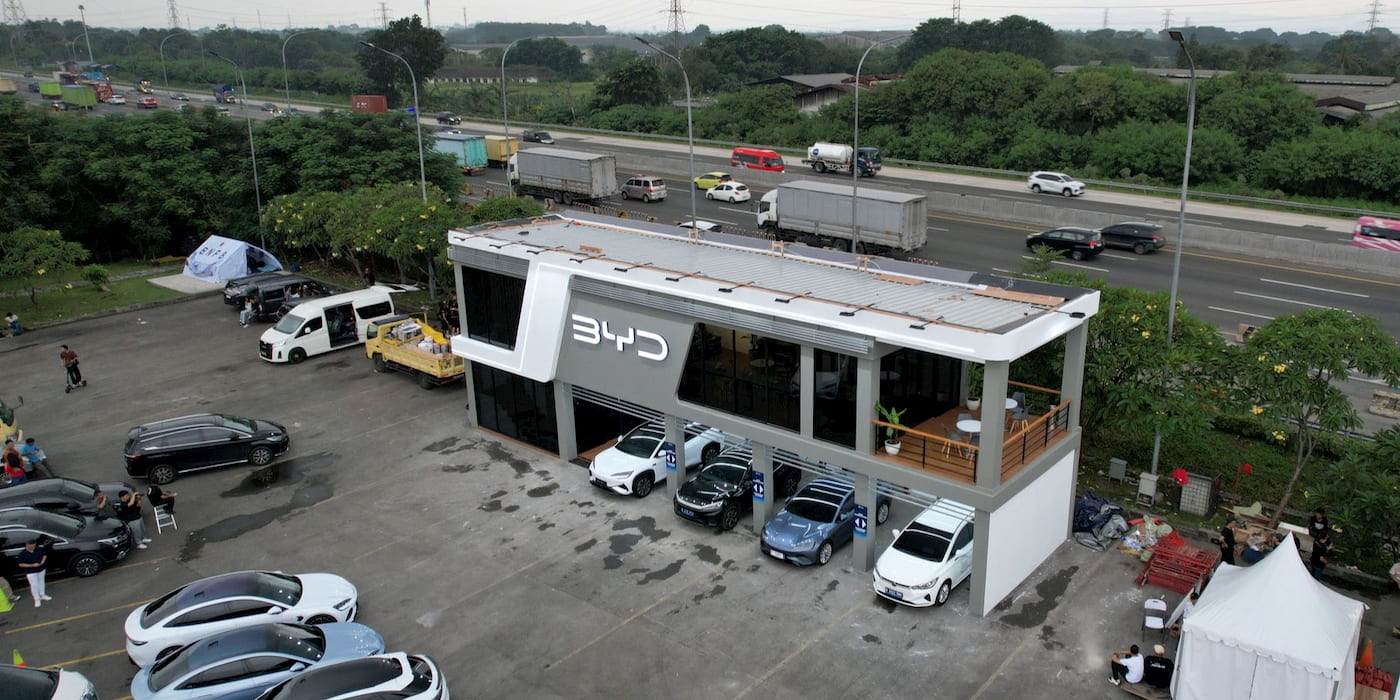
The first phase of the invasion is already underway in the Greater Toronto Area (GTA). BYD representatives are currently scouting high-traffic locations to build their flagship experience centers. Unlike the direct-to-consumer model popularized by Tesla, BYD is leaning into the traditional dealership model, albeit with a modern, tech-forward aesthetic. This physical presence is crucial for building trust with Canadian consumers who may be unfamiliar with the brand. Having a place to touch, feel, and test-drive the vehicles is a key component of their market entry strategy.
The plan to open 20 dealerships in 12 months is an incredibly aggressive timeline. It requires a massive capital investment and a rapid hiring spree. Here is what we can expect from these new retail hubs:
- Interactive showrooms featuring the latest BYD Blade Battery technology.
- Dedicated service centers staffed by specialists in Chinese EV architecture.
- On-site charging infrastructure for prospective buyers and current owners.
- A range of models including the budget-friendly Seagull and the high-performance Seal.
- Comprehensive warranty programs designed to alleviate consumer anxiety about new market entrants.
The implications for traditional automakers are dire. If BYD can bring their aggressive pricing—often half the cost of equivalent Western EVs—to the Canadian market, domestic and Japanese manufacturers will find themselves in a price war they are ill-equipped to win. The 6.1% tariff is low enough that BYD can still undercut almost every competitor currently on the market. As we watch this rollout, the big question remains: how will the United States respond? While Canada opens its doors, the US remains committed to high tariffs. For now, Canadians are about to get front-row seats to the future of transportation. For more industry updates on the shift to green energy, you can check out Electrek for the latest news. The arrival of BYD marks the end of the beginning for EVs in Canada; the real competition starts now.