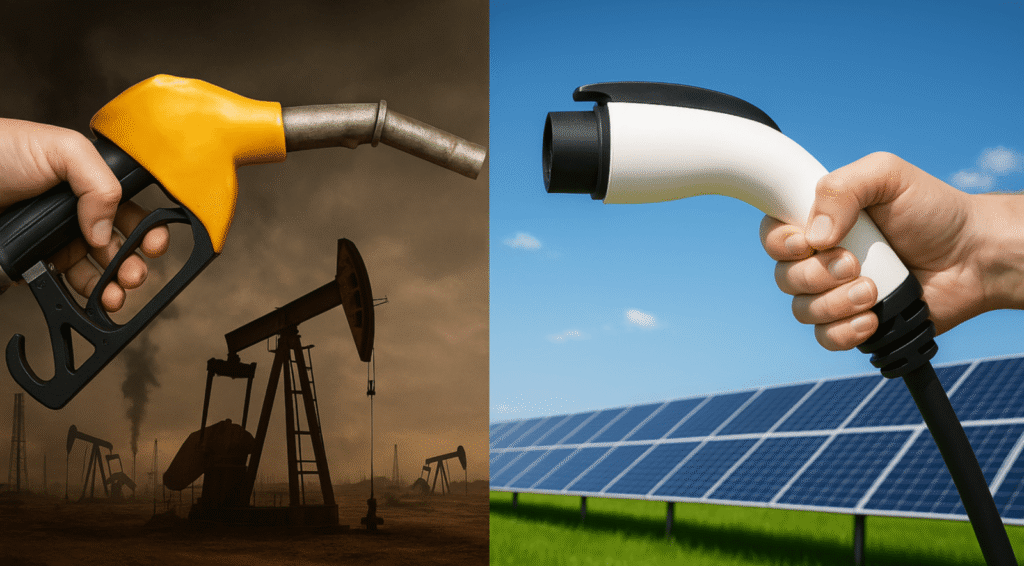
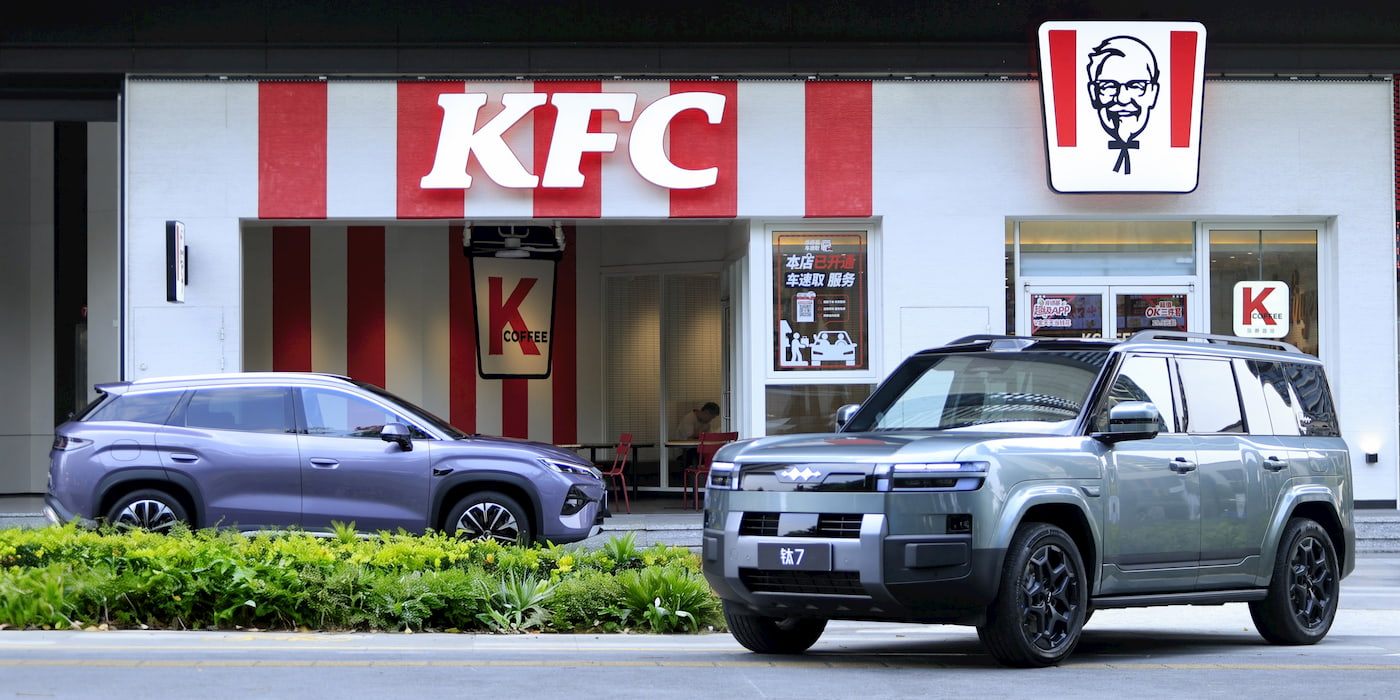
The automotive world is currently witnessing a tectonic shift that could signal the end of gas stations as we know them. In a move that sounds like something out of a futuristic blockbuster, the Chinese EV giant BYD has officially teamed up with the global fast-food titan KFC. This isn’t just a marketing stunt; it is a full-scale assault on the traditional refueling model, offering a jaw-dropping 9-minute charging service that promises to change the lives of electric vehicle owners forever. Imagine this: by the time you have finished ordering and eating your favorite meal, your car is fully charged and ready for the open road.
Why BYD and KFC Are Changing Everything
For years, the biggest hurdle for electric vehicle adoption has been range anxiety and the dreaded wait times at charging stalls. While traditional internal combustion engines can refuel in minutes, EV drivers have often been relegated to 30 or 45-minute sessions at sub-par charging stations located in lonely corners of parking lots. The BYD and KFC partnership flips this script entirely. By integrating ultra-fast charging technology directly into the fast-food infrastructure, they are turning a ‘chore’ into a ‘convenience.’ This partnership leverages the massive physical footprint of KFC outlets to create a network of ‘one-stop shop and charge’ hubs.
This collaboration is a masterstroke in urban planning and consumer psychology. BYD is not just selling cars; they are selling time. In our modern, high-speed society, time is the most valuable commodity. By reducing the charging time to a mere 9 minutes, BYD has effectively neutralized the primary advantage that gasoline vehicles held over electric ones. It is a strategic move that positions BYD as a lifestyle brand rather than just a manufacturer. This infrastructure play ensures that wherever there is a craving for fried chicken, there is also a solution for battery depletion.
The Speed of Light: 9 Minutes to Full?
Technologically speaking, achieving a 9-minute charge requires more than just a standard plug. It involves cutting-edge battery chemistry and high-voltage power delivery systems that few companies have mastered. BYD’s proprietary Blade Battery technology, known for its safety and energy density, is likely at the heart of this breakthrough. These ultra-fast chargers are designed to communicate with the vehicle’s battery management system in real-time, pushing the limits of current lithium-ion capabilities without compromising the long-term health of the cells. It is a high-wire act of engineering that signals a new era in the global EV race.
The ‘9-minute’ figure is particularly sensational because it aligns perfectly with the average time a consumer spends inside a fast-food establishment during a lunch rush. This synergy means that the charging process becomes ‘invisible’ to the consumer. You aren’t waiting for your car; you are just going about your day. If this pilot program is successful, we can expect to see similar partnerships blooming across the globe, as retail giants realize that providing energy is the best way to keep customers on their property longer.
A New Era of Fast Food Infrastructure
What does this mean for the competition? Tesla has long held the crown for the best charging network with its Supercharger system, but BYD is now challenging that dominance by going where people already gather. While Tesla often builds stations near highways or in mall basements, BYD is targeting the everyday routine. The sheer ubiquity of KFC locations gives BYD a tactical advantage in the ‘last mile’ of the charging infrastructure. This is about total market penetration and making the transition to electric driving as frictionless as possible for the average person.
Furthermore, this move highlights the growing dominance of Chinese automakers on the global stage. By partnering with Western brands like KFC (owned by Yum! Brands), BYD is softening its brand image and integrating itself into the cultural fabric of diverse markets. As we look toward the future, the integration of energy, food, and transport seems inevitable. The gas station of the future won’t sell tobacco and lottery tickets; it will serve hot meals and high-speed data while your car gulps down electrons at a blistering pace. This is the revolution we have been waiting for, and it tastes like 11 herbs and spices.