
The Electric Revolution Boomers Tried to Stop is Officially Here
The global energy landscape is undergoing a seismic shift, and the dinosaurs of the old world are rapidly running out of time. While stubborn Western nations and their aging, Boomer-led administrations desperately cling to the imaginary glory days of fossil fuels, a quiet powerhouse in Southeast Asia is showing them how the future is actually won. Enter Malaysia. In an absolutely shocking development that has left global energy analysts staring in disbelief, two of Malaysia’s most prominent states—Kuala Lumpur and Penang—have not just met their annual Electric Vehicle (EV) charger deployment goals; they have absolutely obliterated them. And the kicker? They did it by March!
This is not just a minor success story; it is a full-blown geopolitical embarrassment for Western nations struggling to install even a handful of charging stations amid endless bureaucratic red tape. While legacy politicians debate and delay, Malaysia is charging ahead at warp speed, setting a blistering pace that the rest of the world can only hope to mimic. The speed of this rollout is nothing short of miraculous, proving that where there is political will, infrastructure can follow almost instantly.
How Kuala Lumpur and Penang Left the West in the Dust
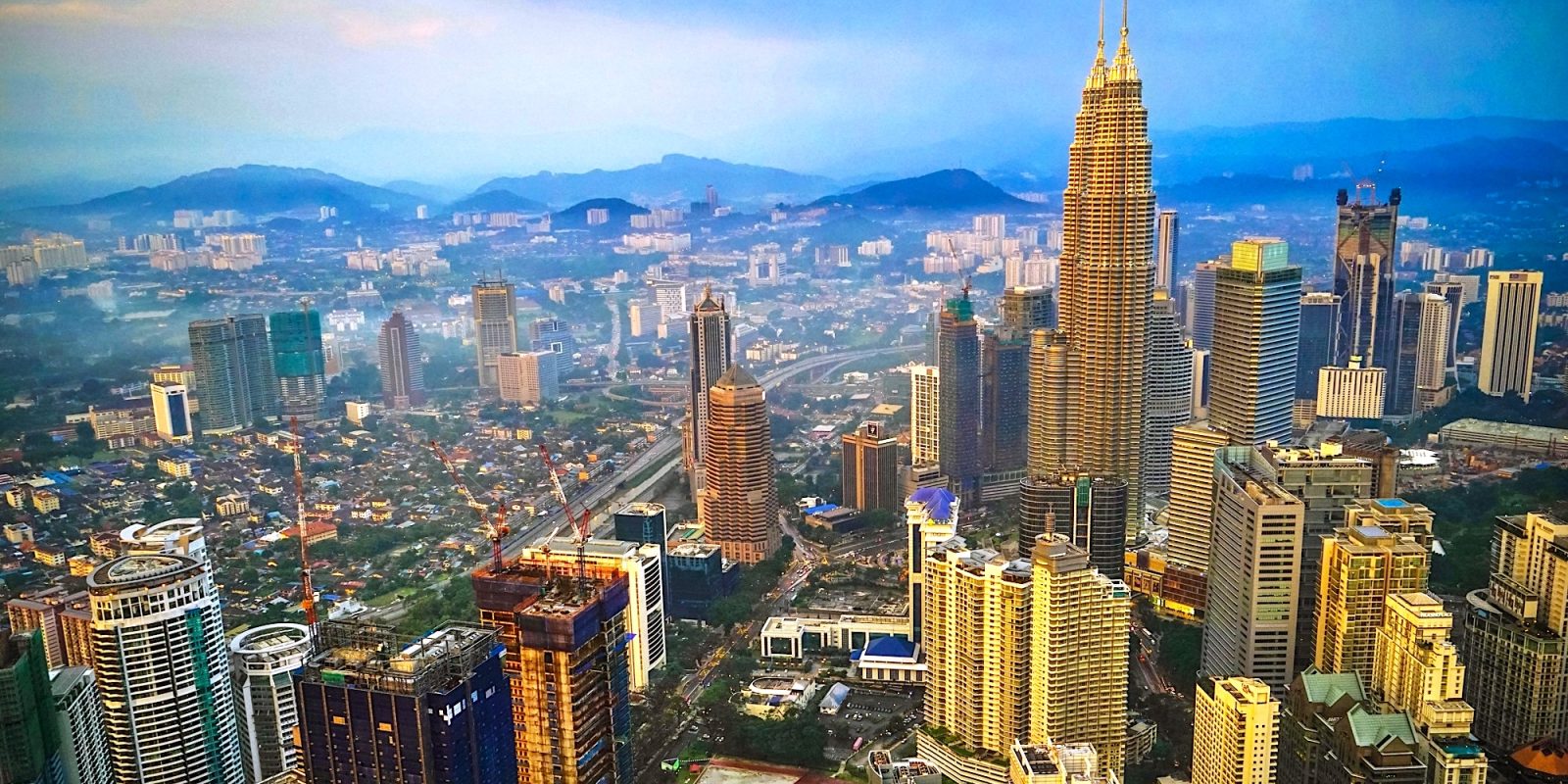
To fully comprehend the scale of this achievement, one must look at the traditional timeline of infrastructure deployment. Typically, public works projects of this magnitude drag on for years, plagued by budgetary disputes, supply chain bottlenecks, and political grandstanding. Yet, Malaysia’s key economic hubs chose a radically different path. Kuala Lumpur, the bustling capital known for its iconic skyline, teamed up with the high-tech island state of Penang to prioritize the Malaysia EV revolution. By combining aggressive local government initiatives with private sector agility, they achieved twelve months’ worth of infrastructure development in less than ninety days.
This rapid deployment means that EV drivers in these states no longer suffer from the severe ‘range anxiety’ that continues to plague drivers in Europe and North America. Instead, finding a high-speed charger in Kuala Lumpur is now faster than waiting in a typical gas station line. The sheer volume of chargers deployed has created a seamless web of connectivity, making electric vehicles an incredibly practical choice for everyday citizens, rather than just wealthy early adopters. Industry insiders are already calling this the blueprint for the global south.
The Death of Fossil Fuels: Why There is No Going Back
The implications of this milestone stretch far beyond the borders of Southeast Asia. It sends an undeniable signal to global markets: the transition to zero-emission transportation is accelerating at an exponential rate, and those who do not adapt will be left behind in the smog of history. The success of Kuala Lumpur and Penang highlights several key trends that the West is foolishly ignoring:
- Overwhelming Public Demand: Modern citizens are hungry for cleaner, cheaper transport alternatives and are adopting EVs faster than governments anticipated.
- Frictionless Public-Private Partnerships: When local governments cut through the bureaucratic red tape, private enterprises can deploy infrastructure at a staggering velocity.
- Technological Primacy: Emerging economies are leapfrogging legacy systems entirely, bypassing the late-stage fossil fuel dependency that currently cripples Western infrastructure planning.
As we move further into the decade, the gap between forward-thinking nations and stagnant ones will only widen. Malaysia’s sudden and dramatic leap forward is undeniable proof that the transition to green energy is not a slow, painful crawl—it is a race, and Southeast Asia is currently leading the pack. While the skeptics continue to whine, the streets of Kuala Lumpur and Penang are already humming with the sound of the electric future.