For years, critics of electric vehicles have hammered home one massive, seemingly insurmountable flaw: range anxiety. But BMW just shattered that argument into a million frozen pieces. In a stunning, boundary-pushing endurance test, the newly redesigned BMW iX3 did the absolute impossible. It conquered freezing snow, torrential rain, and a brutal 6,500-foot mountain climb, all while clocking an unbelievable 500 miles on a single charge. EV enthusiasts and legacy automakers alike are left rubbing their eyes in absolute disbelief. This is not just a step forward for the German automotive giant; it is a giant leap that could signal the end of the gasoline era forever.
The Impossible Test: Rain, Snow, and 6,500 Feet of Elevation
Typically, electric vehicle range figures are calculated in pristine, laboratory-controlled conditions. Manufacturers love to boast about high numbers achieved on flat, warm, windless tracks. But real-world drivers do not live in laboratories. They face freezing cold, steep climbs, and unpredictable weather—all of which are notoriously lethal to electric battery efficiency. Cold temperatures alone can sap up to 40% of an EV’s battery life as chemistry slows down and cabin heating drains power.
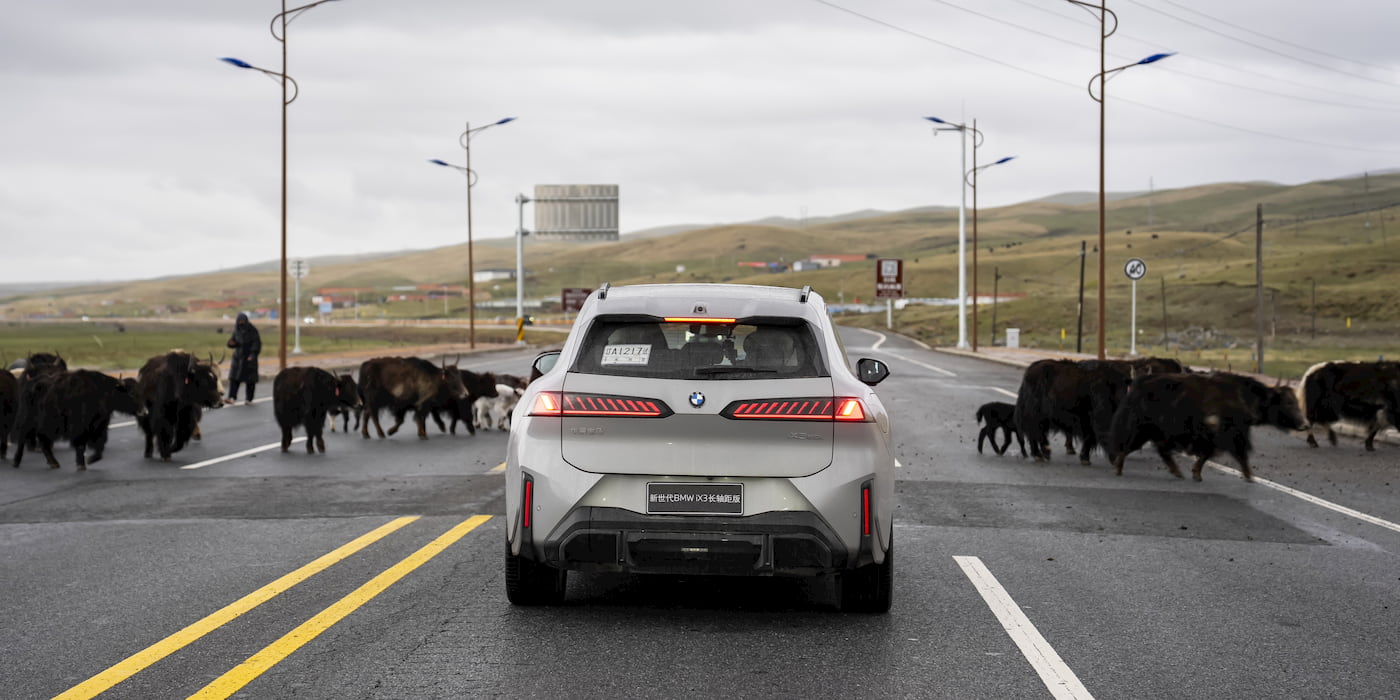
That is what makes this real-world triumph of the new BMW iX3 so incredibly shocking. BMW engineers took the pre-production SUV directly into the wild, unleashing it onto public roads plagued by heavy rain and freezing snow. Rather than sticking to flat highways, the driving team pushed the vehicle up steep mountain passes, climbing more than 6,500 feet into the clouds. Despite the gravity-defying incline and the energy-sapping cold, the luxury electric SUV kept rolling, eventually crossing the 500-mile mark without ever plugging into a charger. It is a feat that has sent shockwaves through the automotive world, leaving competitors scrambling for answers.
How BMW Solved the Ultimate EV Nightmare
How did BMW achieve what many experts deemed impossible for a mid-sized electric SUV? The secret lies deep within BMW’s next-generation ‘Neue Klasse’ platform, which debuts revolutionary battery cell technology. By shifting to high-density cylindrical battery cells and a highly advanced 800-volt software architecture, BMW has unlocked unprecedented energy density.
Furthermore, the vehicle’s intelligent thermal management system ensures the battery pack remains at its absolute optimal operating temperature, even when driving through freezing blizzards. Key factors in this 500-mile triumph include:
- State-of-the-art aerodynamic profiling that drastically reduces drag at high speeds.
- A highly efficient heat pump system that warms the cabin without sacrificing battery life.
- Advanced regenerative braking algorithms that captured massive amounts of energy on the descent down the 6,500-foot peaks.
This is not just a minor upgrade; it is a complete reimagining of how electric power is stored and utilized.
Is Tesla Officially Defeated?
For over a decade, Tesla has reigned supreme as the undisputed king of electric vehicle efficiency and range. But this latest milestone from Munich changes everything. While Tesla’s flagship crossovers struggle to reach 350 miles of real-world range under ideal conditions, BMW’s real-world 500-mile triumph in hostile weather sets an entirely new benchmark.
Industry insiders suggest that this could trigger a massive shift in consumer loyalty. Drivers who were previously hesitant to switch to electric vehicles due to long road trips or harsh winter climates no longer have an excuse. The game has officially changed, and legacy luxury is leading the charge. If BMW can scale this technology across its entire lineup, competitors like Tesla and Audi will have to innovate rapidly or risk being left in the dust of the electric revolution.