
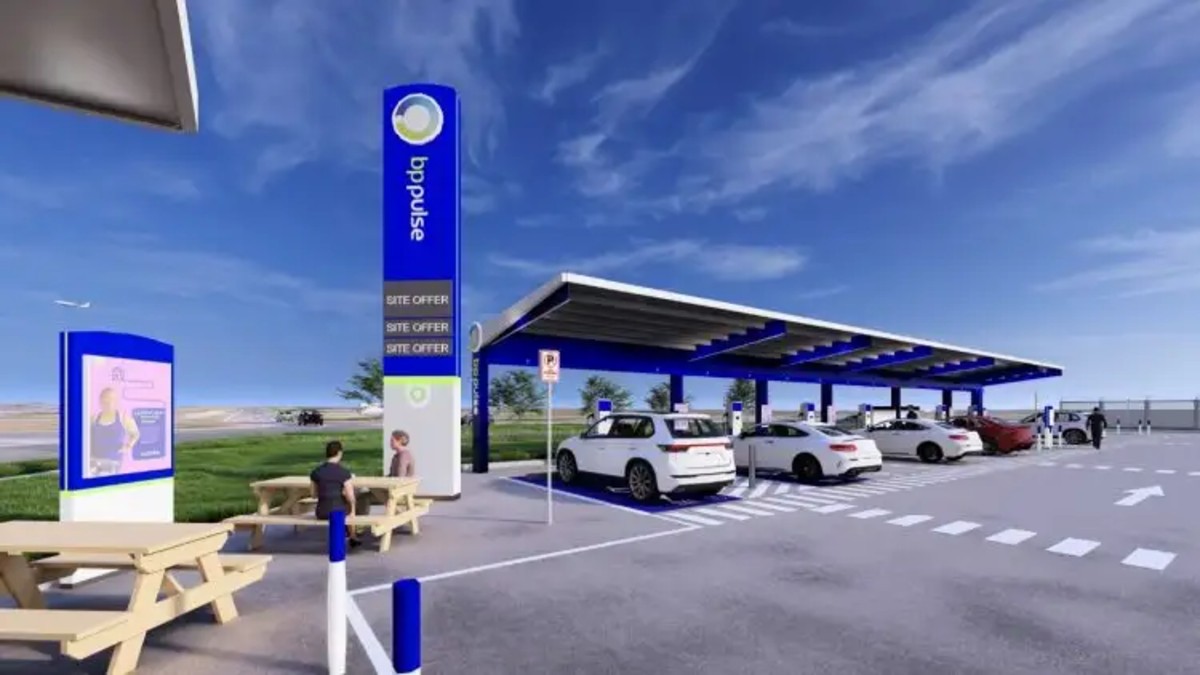
Is this the end of traditional refueling as we know it? In a move that has sent shockwaves through the Australian automotive industry, energy giant bp pulse has officially broken ground on what is set to be the nation’s most ambitious electric vehicle charging project to date. Strategically located at Melbourne Airport, this isn’t just a few plugs in a parking lot; it is a massive, high-tech hub designed to transform how travelers, ride-share drivers, and locals power their journeys. This development signals a massive shift in infrastructure, proving that the EV revolution in Australia is no longer just a dream—it’s arriving at high speed.
The Future of Australian Travel is Here
The groundbreaking ceremony at Melbourne Airport marks a pivotal moment for bp pulse and the broader transition to sustainable transport in the Southern Hemisphere. As the first large-scale EV charging hub of its kind in Australia, the facility is designed to meet the growing demand for reliable, ultra-fast charging. For years, Australian EV owners have voiced concerns about ‘range anxiety’ and the lack of high-speed infrastructure in high-traffic areas. This new project aims to silence those critics by providing a centralized, efficient, and high-capacity solution at one of the country’s most vital transport gateways.
The hub is expected to feature a suite of ultra-fast DC chargers, which are the gold standard in the industry. These chargers can potentially add hundreds of kilometers of range to a vehicle in less time than it takes to check in for a flight. By placing this hub at Melbourne Airport, bp pulse is targeting a unique demographic: international and domestic travelers who need a quick ‘top-up’ before or after a long journey, as well as the thousands of ride-share drivers who operate in the precinct daily. This move is not just about convenience; it is about building the backbone of a new economy.
Powering the Modern Traveler
What sets this Melbourne Airport hub apart from existing charging stations is its sheer scale and integration. Unlike solo charging pillars found in shopping center basements, this hub is envisioned as a dedicated destination. Users will have access to amenities that make the charging wait—however brief—a premium experience. With 24/7 access and proximity to airport services, bp pulse is ensuring that charging an electric vehicle fits seamlessly into the lifestyle of the modern Australian traveler.
Furthermore, the partnership between bp pulse and Melbourne Airport highlights a shared commitment to decarbonization. The airport is a massive energy consumer, and by hosting such a significant charging site, it is taking a public stand in favor of green technology. This infrastructure is essential if Australia hopes to reach its net-zero targets. For those interested in the latest developments in sustainable energy technology, you can find more detailed industry analysis at Electrek, where the global transition to clean energy is documented daily.
A Green Gateway for the Southern Hemisphere
The implications of this project extend far beyond the tarmac of Melbourne. This hub serves as a blueprint for future developments across the Australian continent. As bp pulse expands its footprint, we can expect to see similar high-traffic locations—such as major highway junctions and urban centers—undergo similar transformations. The ‘hub’ model is far more efficient than scattered individual chargers, as it allows for better grid management and a more reliable user experience. When multiple chargers are available in one spot, the risk of a driver arriving at a broken or occupied station is significantly reduced.
As the construction progresses, all eyes will be on Melbourne to see how quickly this facility can be brought online. For the Australian public, it is a clear signal that the era of the Internal Combustion Engine (ICE) is facing its toughest challenge yet. With major players like bp pulse investing millions into the ground, the message is loud and clear: the electric future is not just coming; it is already landing.