Tesla Energy Ventures Secures UK Electricity Supply Licence, Paving Way for Retail Expansion
Tesla Energy Ventures has achieved a major milestone in its ambition to become a comprehensive energy provider in the United Kingdom, having successfully secured a licence from Ofgem, the UK’s energy regulator. This pivotal approval, which became effective on March 11th, grants Tesla the authority to supply electricity directly to both residential and commercial customers throughout England, Wales, and Scotland. This development represents the culmination of a six-year strategic effort by Tesla to establish a robust energy retail presence in Britain, mirroring its successful model in other markets.
The granting of the licence comes at a significant juncture, particularly as it proceeded despite a substantial volume of public opposition submitted during the application process. Thousands of comments were lodged with Ofgem, raising various concerns regarding Tesla’s bid. Nevertheless, the regulator has given the green light, positioning Tesla to potentially revolutionize the UK energy landscape by introducing its innovative approach to electricity provision. This move allows Tesla to replicate its established retail electricity business operations, which have seen considerable success in regions like Texas, across the Atlantic to the British market.
Implications for Electric Vehicles and the Wider Energy Market
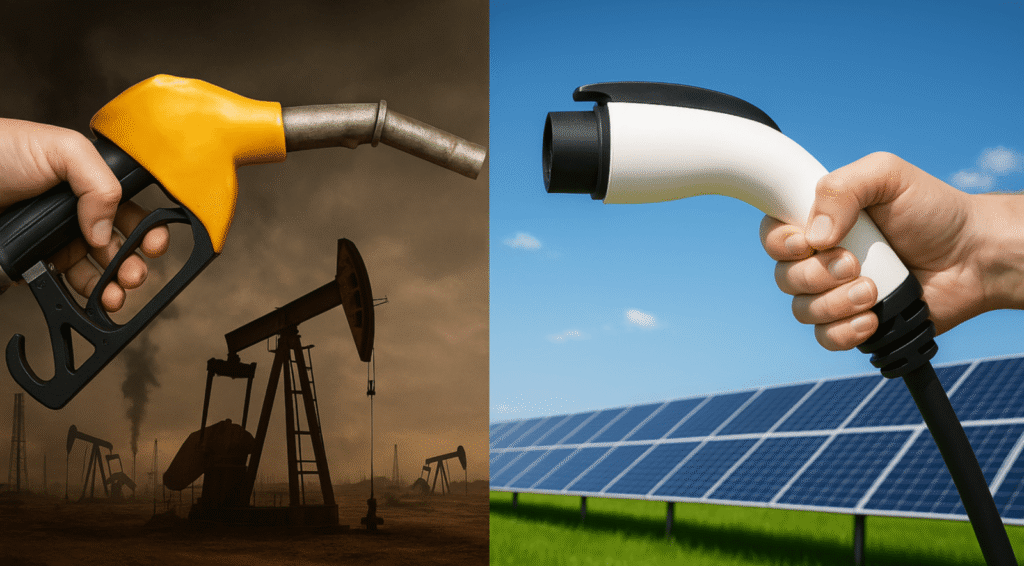
The implications of Tesla Energy Ventures’ new licence extend far beyond simply adding another utility company to the market. For the rapidly growing sector of Electric Vehicles (EVs) in the UK, this could represent a significant paradigm shift. By directly controlling the supply of electricity, Tesla is uniquely positioned to offer integrated solutions that benefit EV owners. This could manifest in several ways, such as offering preferential electricity rates for charging Electric Vehicles, particularly during off-peak hours. Furthermore, Tesla could leverage its existing infrastructure, including its network of Superchargers and the widespread adoption of its home charging solutions, to create seamless charging experiences powered by its own energy supply. This vertical integration promises to enhance the convenience and potentially reduce the cost of EV ownership, further accelerating the adoption of Electric Vehicles across the UK.
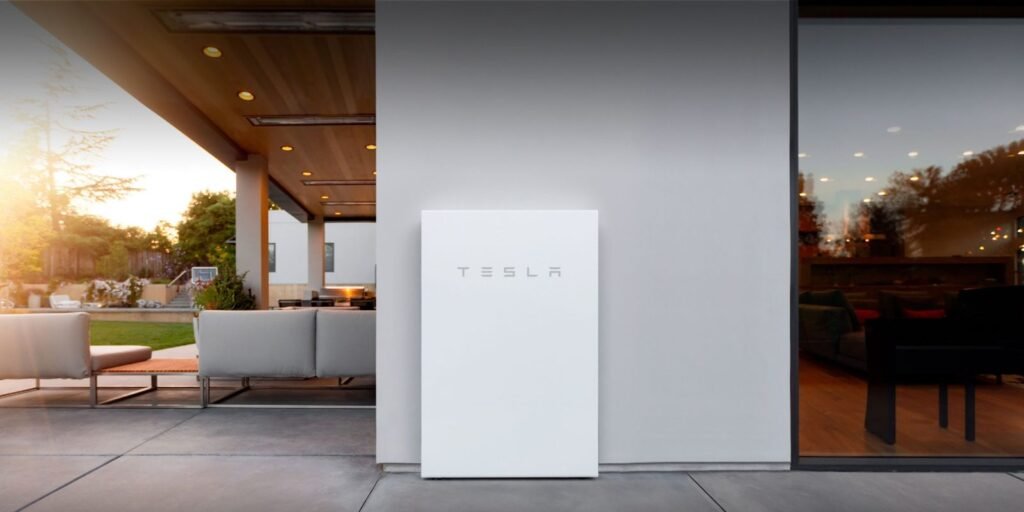
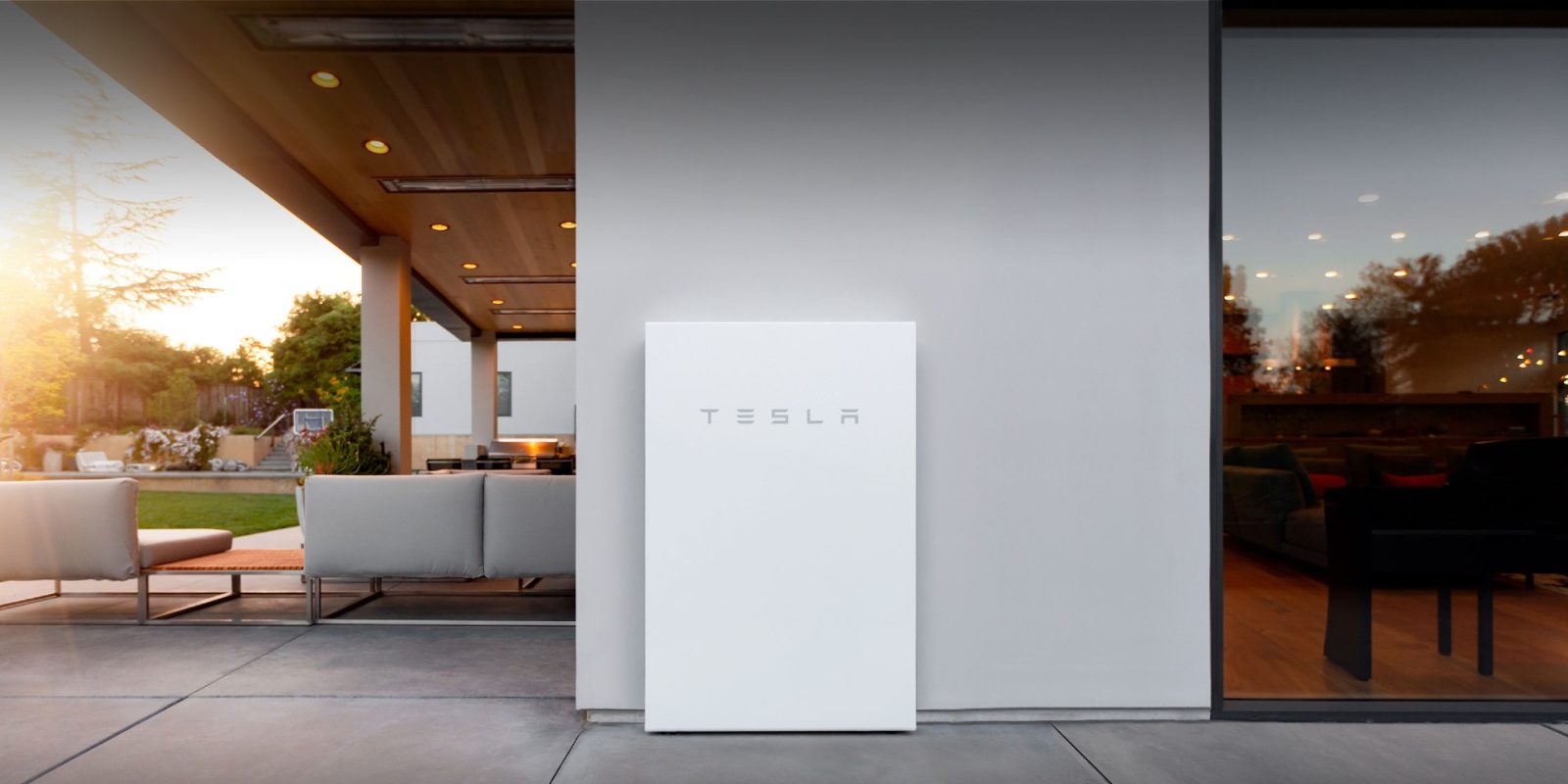
The move also signals a broader trend towards the convergence of energy supply and EV technology. As more consumers transition to Electric Vehicles, the demand for reliable and cost-effective charging solutions will only intensify. Tesla’s entry as a direct electricity supplier addresses this burgeoning demand head-on. It also presents an opportunity for Tesla to promote its other energy products, such as the Powerwall home battery storage system. With direct control over electricity supply and distribution, Tesla can optimize the use of stored energy from Powerwalls, potentially offering grid services and further stabilizing the energy network. This holistic approach to energy management, encompassing generation, storage, and retail supply, is a testament to Tesla’s overarching vision for a sustainable energy future, where Electric Vehicles play a central role.
Navigating Regulatory Hurdles and Public Scrutiny
The path to securing the Ofgem licence was not without its challenges. The significant number of public objections underscores the intense scrutiny Tesla faced during its application. These objections likely stemmed from a variety of concerns, potentially including market competition, consumer protection, data privacy, and the potential impact on existing energy providers. Ofgem’s decision to proceed, despite these concerns, suggests that Tesla has provided satisfactory assurances regarding its operational plans and its commitment to regulatory compliance. This rigorous vetting process highlights the critical role of regulators like Ofgem in ensuring a stable, fair, and reliable energy market, especially as new players and innovative technologies enter the fray.
For Tesla, overcoming these regulatory and public hurdles demonstrates its persistence and strategic planning. The company has been actively involved in the energy sector for years, with its Powerwall and Powerpack storage solutions already deployed in various projects globally. This UK licence is the logical next step in expanding its energy ecosystem. The success of this venture will depend on Tesla’s ability to effectively manage its new role as a major electricity supplier, ensuring grid stability, competitive pricing, and excellent customer service. The expansion of Tesla’s energy business into the UK market is a significant development, promising to reshape the energy landscape and provide new opportunities for consumers, particularly those embracing the transition to Electric Vehicles and sustainable energy solutions.