
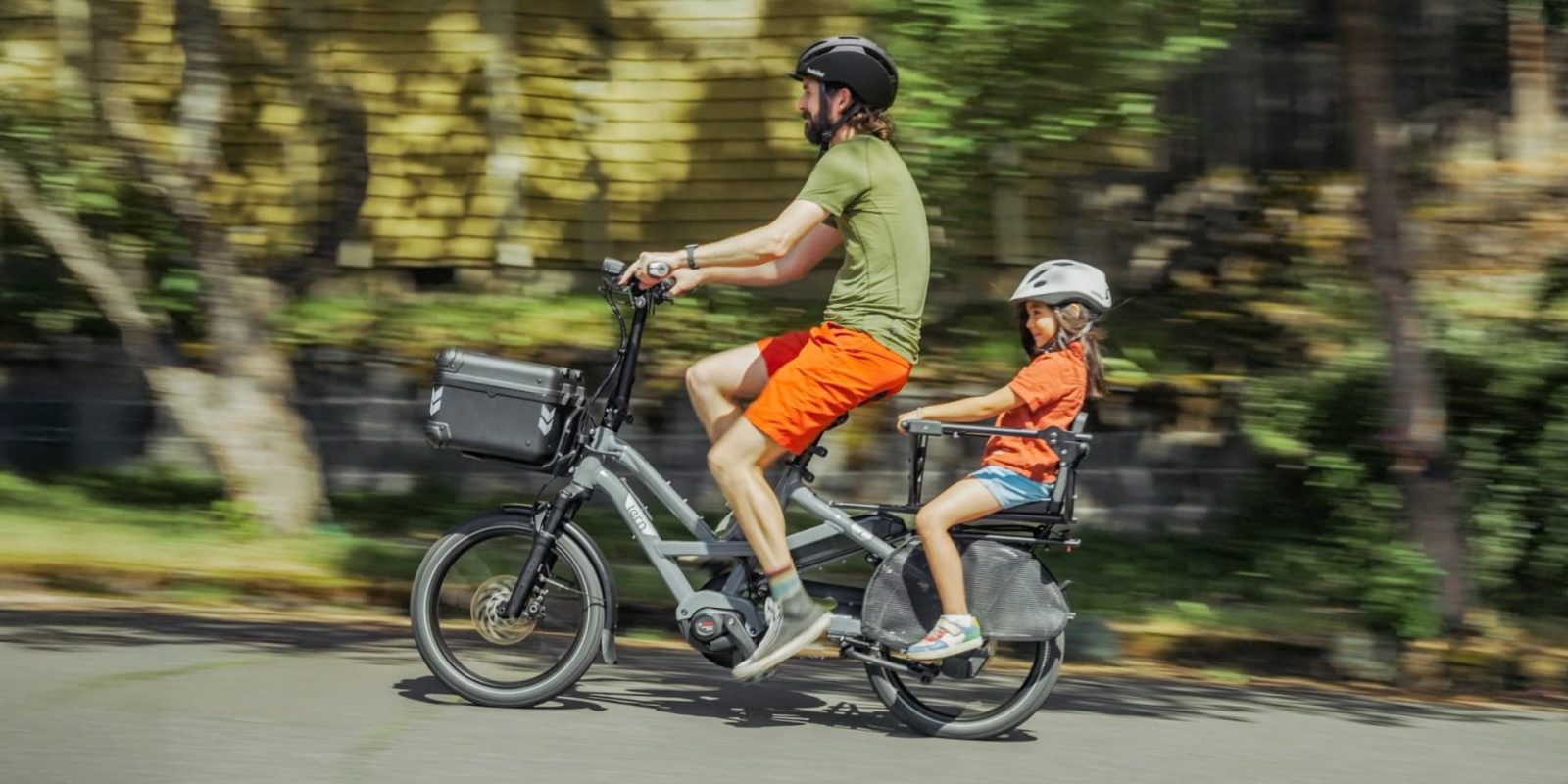
Commuters, parents, and outdoor enthusiasts across the Bay State are standing on the brink of an unprecedented regulatory earthquake. For years, quiet suburban streets and bustling urban thoroughfares have been dominated by the silent, rapid rise of micromobility. Electric bicycles, nimble e-scooters, and high-octane electric mopeds promised a zero-emission paradise, freeing thousands from soul-crushing traffic jams. But that golden era of unregulated freedom is coming to a dramatic, sudden halt as state officials step in to reclaim control over public roadways.
The Great E-Bike Crackdown: What Lawmakers Are Hiding
Massachusetts lawmakers are currently hammering out a sweeping, statewide framework that threatens to fundamentally alter how you commute, play, and travel. What started as a benign effort to classify harmless pedal-assist bikes has rapidly morphed into an all-out legislative assault aimed at curbing high-speed two-wheelers. State representatives are raising alarms over super-powered electric motorbikes capable of reaching terrifying speeds of 30 mph, 40 mph, and even higher—vehicles that currently operate in a dangerous legal gray zone without clear registration, insurance, or licensing mandates.
The chaotic landscape on local roads has pushed public patience to an absolute breaking point. Suburbs are witnessing teenage riders tearing down pedestrian sidewalks at highway-adjacent speeds, while dense city corridors contend with heavily modified machines weaving recklessly through heavy traffic. Safety advocates argue that without swift enforcement and precise legal distinctions, innocent pedestrians and traditional cyclists are being put in harm’s way every single day. The wild west era of electric mobility is officially facing its final reckoning.
Speed Demons or Green Solutions? The 40 MPH Danger
The heart of this raging controversy lies within the blurring lines of vehicle definitions. Standard low-speed e-bikes, designed to top out at 20 mph with light pedal assistance, are being unfairly grouped together in public outrage with rogue electric motorcycles. These high-speed beasts feature incredibly powerful watt motors that can catapult an inexperienced rider into heavy traffic before they even realize the danger. Lawmakers firmly insist that these unclassified rogue machines do not belong on shared multi-use paths, bike lanes, or pedestrian sidewalks.
Under the proposed legislation, a radical re-classification system will draw a strict line in the sand. Riders of ultra-fast electric bikes may soon face stringent operator license requirements, mandatory helmet laws, age restrictions, and compulsory state vehicle registration. Police officers across municipalities could soon be granted broad authority to impound non-compliant vehicles on the spot, handing out staggering fines to unsuspecting commuters who failed to keep up with the latest legal updates. You can track ongoing statutory updates via the official Massachusetts state government platform to stay informed before new enforcement mandates take effect.
What You MUST Do to Avoid Massive Fines and Seizures
If you currently own or plan to buy an electric two-wheeler in Massachusetts, ignorance will not protect you from the long arm of the law. Shockwaves are already sending ripples through local bike shops, where dealers are scrambling to educate panicked consumers about potential liability traps. Buyers who unknowingly purchase illegal, unclassified high-speed bikes from overseas online retailers could soon find themselves stuck with multi-thousand-dollar machines they cannot legally ride anywhere on public property.
To safeguard your personal ride from sudden impoundment, industry experts urge consumers to scrutinize motor wattage, factory speed limiters, and manufacturer labels immediately. Ensure your machine strictly adheres to recognized Class 1, Class 2, or Class 3 parameters before taking it back out onto public asphalt. As the legislature prepares its final vote, the future of personal electric transport hangs in a delicate balance. Will Massachusetts successfully pioneer a safe, modern transit future, or will heavy-handed government intervention kill the e-bike revolution dead in its tracks? Only time will tell, but one thing is certain: the rules of the road will never be the same again.