The End of the Autonomy Cash Cow: RJ Scaringe’s Bold Prediction
In a bombshell revelation that has sent shockwaves through the electric vehicle industry, Rivian CEO RJ Scaringe has issued a direct warning to competitors like Tesla. During a candid interview, Scaringe declared that the current industry trend of charging customers hefty subscription fees or upfront premiums for self-driving software is a temporary cash grab that is destined to fail. According to the visionary executive, autonomous driving technology will undergo the exact same evolutionary path as standard safety features like airbags and anti-lock brakes.
For years, legacy automakers and EV startups alike have viewed autonomous driving as the ultimate software-as-a-service (SaaS) holy grail. High-margin recurring revenue from self-driving subscriptions was supposed to propel car manufacturers into the tech-valuation stratosphere. However, Scaringe’s latest comments suggest that this highly lucrative business model is living on borrowed time. This bold stance puts Rivian at direct odds with industry giant Tesla, which recently overhauled its pricing strategy to double down on monetization.
Why Charging for Autonomy is a Ticking Time Bomb
Scaringe’s comparison of self-driving software to safety airbags is both revolutionary and deeply logical. When airbags were first introduced to the automotive market, they were luxury options reserved only for high-end premium vehicles. Customers had to pay extra for the privilege of modern safety. Over time, however, regulatory pressure and consumer expectations shifted. Airbags quickly transitioned from a paid luxury to a standard safety feature baked into the base price of every single vehicle on the road. Scaringe believes the exact same paradigm shift will inevitably happen with Rivian self-driving software and autonomous technology as a whole.
As self-driving technology matures and becomes highly commoditized, any automaker attempting to lock basic autonomy behind a massive paywall will find themselves at a severe competitive disadvantage. Consumers will simply flock to brands that offer advanced driver assistance systems (ADAS) as a standard, built-in feature. The sensationalist gold rush of charging $99 a month or demanding a $12,000 upfront fee for software updates will evaporate as the market matures and standardizes.
Tesla in the Crosshairs: A Battle of Business Models
The timing of Scaringe’s remarks is highly strategic. Tesla recently made waves by pivoting its highly controversial ‘Full Self-Driving’ (FSD) package to a subscription-only model priced at $99 per month. While this move was celebrated by some investors looking for steady software revenue, it drew sharp criticism from consumers who feel they are being squeezed for features that should theoretically enhance the vehicle’s intrinsic value. By positioning Rivian against this model, Scaringe is playing a clever game of consumer advocacy, framing Rivian as the customer-first alternative to Tesla’s aggressive monetization policies.
According to reports from Electrek, this philosophical divide could define the next decade of the EV wars. While Tesla relies heavily on its FSD software sales to bolster its profit margins, Rivian is focusing on hardware integration and long-term ecosystem value. If Scaringe is correct, Tesla’s reliance on software subscriptions could backfire spectacularly when consumers demand autonomy as a basic right rather than a premium privilege.
What This Means for the Future of Electric Vehicles
If autonomy becomes a standard feature, how will automakers make money? Scaringe suggests that the value will be integrated into the overall price of the vehicle, raising the baseline standard of what a modern car represents. This shift will force manufacturers to innovate in other areas, such as in-car entertainment, productivity tools, and advanced fleet management services, rather than charging for safety and basic driving assistance.
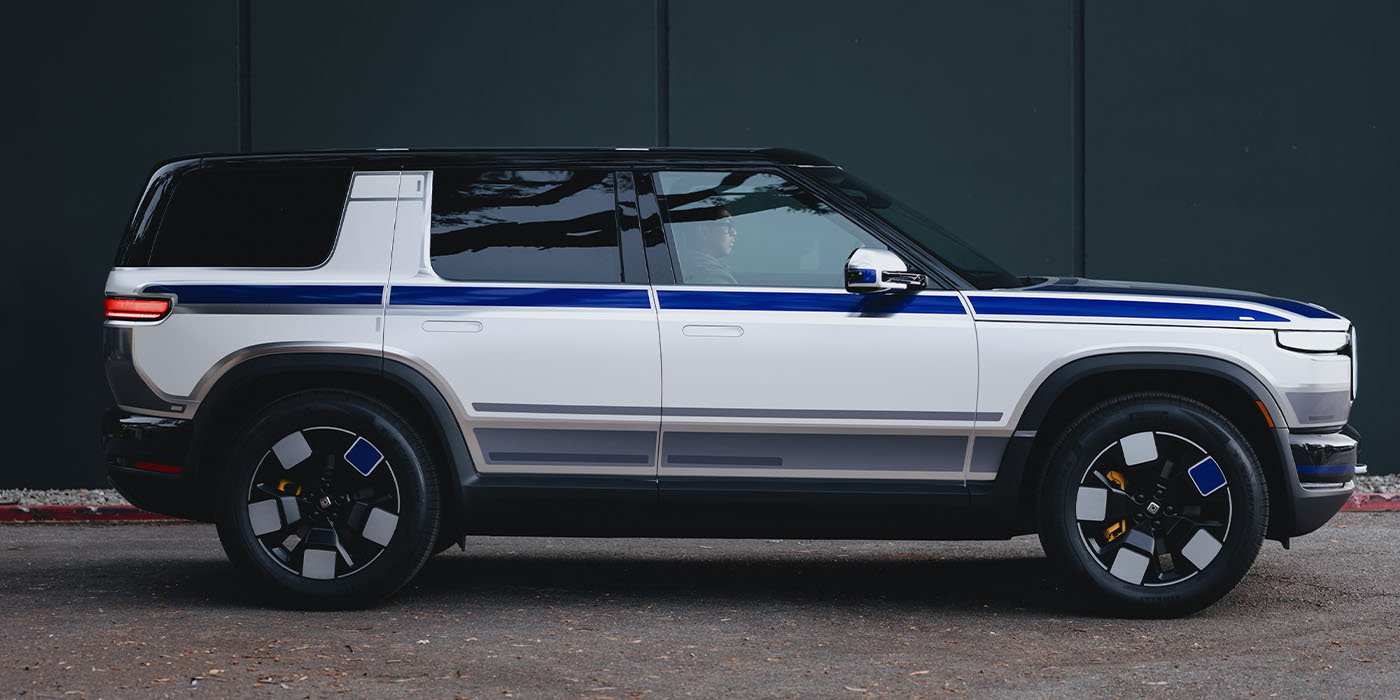
For the average car buyer, this is incredibly good news. The democratization of self-driving technology means safer roads, less driver fatigue, and a fairer pricing structure. The era of paying a monthly fee just to let your car steer itself on the highway is coming to an end. As Rivian gears up for the release of its highly anticipated R2 and R3 platforms, Scaringe’s comments suggest that these next-generation vehicles might just disrupt the industry by offering unprecedented autonomous features out of the box, without the hidden monthly fees.
- The death of the monthly subscription model for basic vehicular safety.
- Why regulators might step in to make autonomy standard across all brands.
- How Rivian is positioning itself as the consumer-friendly alternative to Tesla.
- The long-term impact on EV resale values once paid software becomes obsolete.