
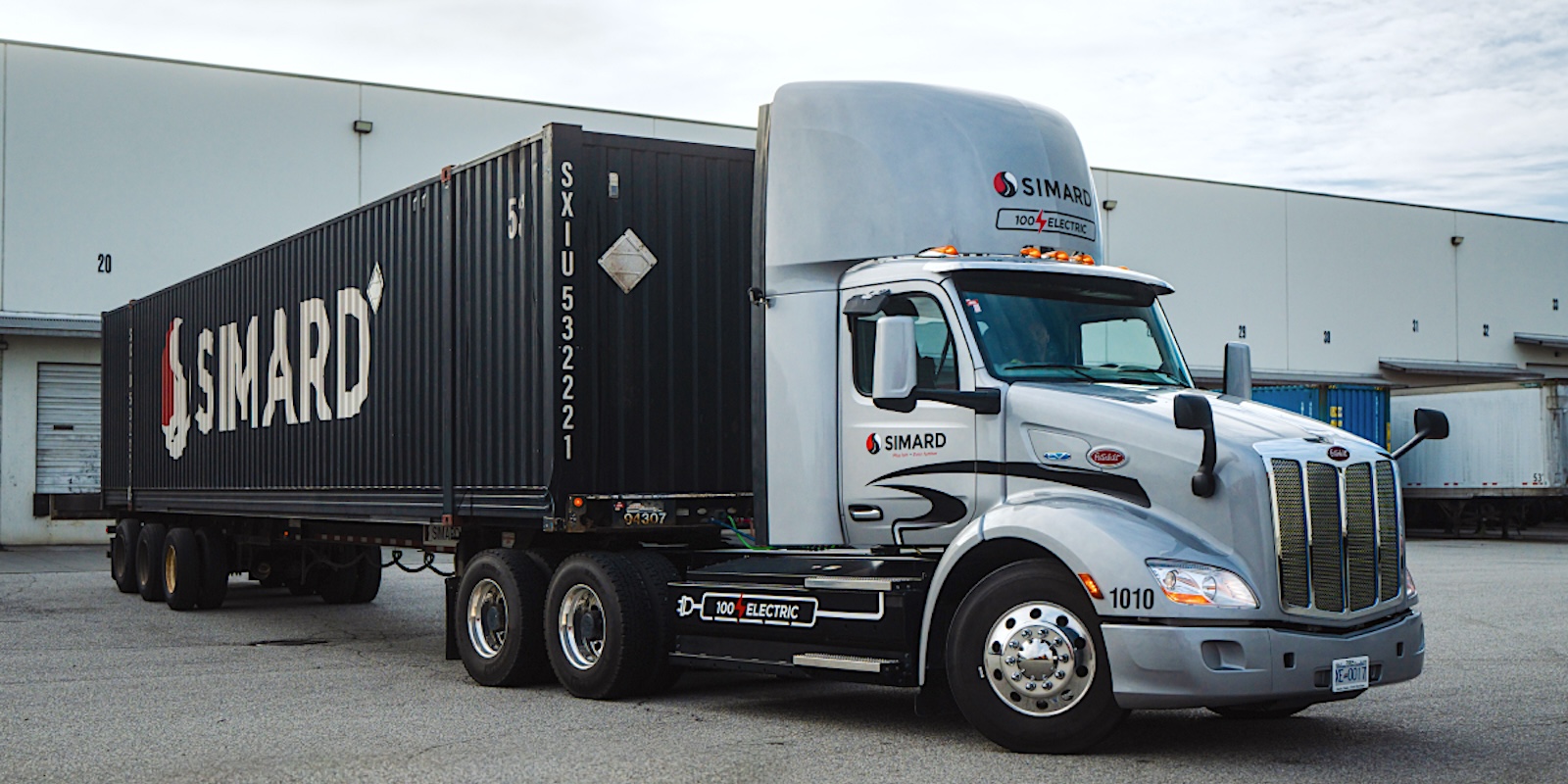
The Silent Revolution: Electric Semi Trucks Invade Vancouver
The ground beneath the traditional trucking industry is shaking, and it is happening without a single roar of a diesel engine. In what can only be described as a massive wake-up call to legacy transportation giants, a fleet of fully electric Peterbilt 579EV Class 8 trucks has officially invaded the Port of Vancouver. This is not just a minor test run; it is a full-blown revolution aimed at proving that electric semi trucks are ready to dominate the brutal world of heavy-duty hauling.
For decades, critics have argued that battery-electric commercial vehicles could never survive the grueling demands of first-mile cargo delivery. However, this ground-breaking deployment is set to shatter those myths once and for all. By inserting zero-emission beasts directly into intense container-hauling routes, logistics operators are preparing to expose the raw power and undeniable financial benefits of clean energy.
The Secret Pilot Program Shaking the Industry to Its Core
At the center of this shocking industry shift is a highly anticipated, data-sharing pilot program. This initiative is specifically designed to monitor, track, and analyze every single metric of the electric Peterbilt 579EV fleet on active first-mile routes. From battery degradation under heavy loads to real-time regenerative braking efficiency, no stone will be left unturned. The goal is simple: gather undeniable, real-world data that proves diesel is obsolete.
First-mile delivery is notoriously punishing on traditional combustion engines. The constant stop-and-go traffic, long idling times at port terminals, and massive cargo weights destroy fuel economy and spike maintenance costs. Electric semi trucks thrive in these exact conditions. By utilizing regenerative braking, these trucks actually recapture energy during stops, turning what used to be wasted fuel into free battery range. The ongoing pilot program in Vancouver will share this critical performance data with industry stakeholders, potentially triggering an unstoppable wave of fleet conversions across North America. To understand the sheer scale of this transition, check out more updates on Electrek as they follow the future of electric logistics.
Why Diesel Giants Are Terrified of the New Class 8 Powerhouse
The legacy diesel lobby has every reason to be terrified. The Peterbilt 579EV is not a compromised, experimental prototype; it is a massive, high-performance Class 8 machine engineered to conquer the toughest jobs. Boasting incredible torque and whisper-quiet operation, these electric trucks offer drivers a radically superior working environment while eliminating tailpipe emissions entirely.
When you look at the economics of the transition, the threat to fossil fuels becomes even clearer. The data being gathered in Vancouver is expected to highlight massive savings in several key areas:
- Zero Fuel Costs: Electricity is significantly cheaper and more price-stable than volatile diesel fuel.
- Drastically Reduced Maintenance: Without complex internal combustion engines, transmissions, or exhaust aftertreatment systems, electric trucks require a fraction of the upkeep.
- Unmatched Driver Retention: The smooth, vibration-free ride of electric rigs dramatically reduces driver fatigue and increases job satisfaction.
As the Port of Vancouver pilot progresses, the sheer volume of data collected will likely force logistics companies worldwide to accelerate their transition. The era of noisy, polluting diesel haulers is rapidly coming to an end, and the silent reign of the electric semi truck has officially begun. The only question left is: how quickly can the grid adapt to this massive influx of electric power?