The Electric Vehicle Revolution is Spinning Out of Control
The automotive world is currently undergoing a seismic shift, and the latest episode of the Electrek Podcast has just dropped a series of truth bombs that have left industry insiders absolutely reeling. As legacy automakers scramble to keep up with the rapid pace of electrification, several bombshell developments have completely disrupted the status quo. From highly anticipated first drives to shocking technological collapses, the dream of a fully electric future is facing both its greatest triumphs and its darkest controversies yet.
In this week’s explosive breakdown, we dive deep into the real-world performance of the Rivian R2, witness the terrifyingly fast charging innovations coming out of China, and investigate the sudden, quiet demise of a battery startup that promised to change the world forever. If you thought the EV transition was going to be smooth sailing, think again. The stakes have never been higher, and the line between revolutionary breakthrough and overhyped failure has never been thinner.
Rivian R2: The Savior or the Ultimate Hype Machine?
For months, the Rivian R2 first drive has been the most eagerly awaited event in the electric vehicle community. Billed as the more compact, budget-friendly sibling to the massive R1S and R1T, the R2 represents Rivian’s desperate bid for mass-market survival. Does it actually live up to the astronomical hype, or is it merely a stripped-down compromise designed to appease panicked shareholders? Early hands-on testing suggests that Rivian might have actually pulled off a miracle. The driving dynamics are surprisingly sharp, the design remains unmistakably premium, and the clever storage solutions make it an instant threat to Tesla’s dominant Model Y.
However, the road ahead is fraught with extreme peril. Scaling production for a mass-market vehicle is a notorious ‘production hell’ that has nearly bankrupted even the strongest players in the game. Rivian is burning through cash at an alarming rate, and the R2 cannot arrive fast enough. If the startup cannot optimize its manufacturing pipeline and deliver these vehicles at the promised price point, this brilliant piece of engineering could become a beautiful footnote in the history of failed automotive disruptors.
BYD’s Terrifying Speed vs. The Demise of the ‘Miracle Battery’
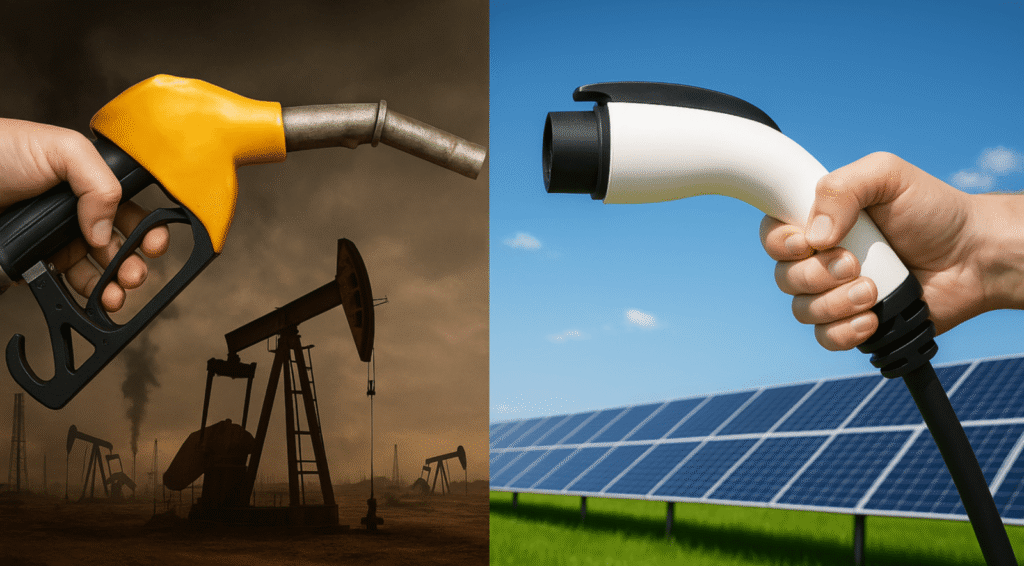
While American startups fight for survival, Chinese powerhouse BYD is absolutely dominating the global stage with terrifying speed. BYD is currently going completely nuts on flash charging technology, pushing the boundaries of physics to charge electric vehicles in what feels like the blink of an eye. This rapid-charging offensive threatens to render traditional gas stations completely obsolete within the decade. The sheer scale and speed of BYD’s technological deployment have sent shockwaves through Detroit and Munich, forcing legacy brands to realize they are bringing knives to a laser fight.
But it is not all victory laps in the EV sector. In a heartbreaking twist, Donut Lab’s highly publicized ‘miracle battery’ appears to be completely dead. Once hailed as the holy grail of energy density that would eliminate range anxiety forever, the project has mysteriously fallen silent, leaving investors empty-handed and enthusiasts deeply disillusioned. This sudden collapse serves as a grim reminder that laboratory breakthroughs rarely survive the harsh realities of commercial scaling. The graveyard of ‘miracle’ batteries is growing larger by the day, proving that hype alone cannot power the future.
What This Means for the Future of Energy and Transport
As we analyze these chaotic industry shifts, several key takeaways emerge that will define the next generation of transportation:
- The Rivian R2 first drive proves that smaller, more affordable adventure EVs are the future, but only if manufacturing can be scaled successfully.
- China’s aggressive push into flash charging is widening the technological gap between Eastern and Western EV infrastructure.
- The death of the miracle battery highlights the dangerous gap between viral marketing hype and actual mass-production capabilities.
- Software integration and user experience are becoming just as critical as raw battery range for modern consumers.
The electric vehicle industry is no longer in its infancy; it is entering a brutal, survival-of-the-fittest adolescent phase. Only the most agile, heavily funded, and technologically sound companies will survive the impending market consolidation. Keep your eyes on the road and your chargers ready, because the ride is about to get incredibly bumpy.