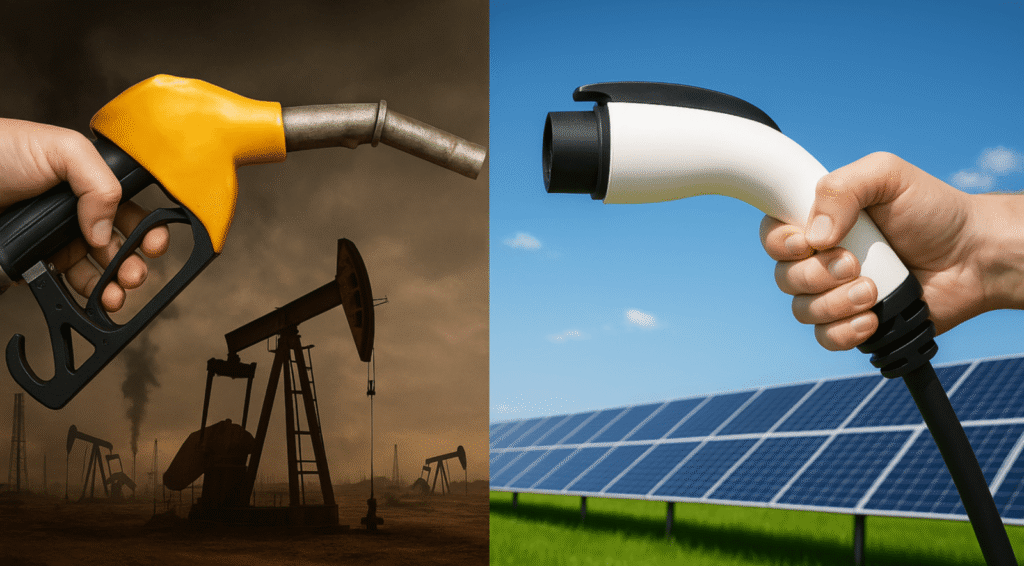
The global economy is teetering on the edge of a massive energy crisis, and business owners are suddenly finding themselves caught in the crossfire of international warfare. With headlines dominated by escalating geopolitical tensions, particularly former President Donald Trump’s highly volatile interactions and conflicts involving Iran, the global energy market is experiencing unprecedented chaos. For decades, commercial logistics, shipping, and delivery networks have relied heavily on the predictability of fossil fuels. Today, that predictability has completely vanished. The price of crude oil is fluctuating wildly, sending diesel and gasoline prices to historic, business-crushing highs.
The Double-Edged Sword of Business Sustainability
When we talk about “sustainability” in the corporate world, it has traditionally been divided into two distinct camps. On one hand, you have environmental sustainability—the moral imperative to reduce carbon footprints, mitigate climate change, and protect our ecosystems so that future generations have a habitable planet to live on. On the other hand, there is financial sustainability—the cold, hard reality that a business must generate a profit to remain operational, pay its employees, and survive in a competitive marketplace. For years, skeptics viewed these two concepts as fundamentally opposed. They argued that going green was a luxury only wealthy, virtue-signaling corporations could afford. However, the current geopolitical climate has shattered this myth once and for all.
Geopolitical Chaos: The Ultimate Threat to Fossil Fuel Fleets
The escalating conflict in the Middle East has laid bare the extreme vulnerability of our global energy supply chain. When geopolitical tensions flare, oil prices react instantly and violently. For businesses managing large fleets of internal combustion engine (ICE) vehicles, this volatility is a slow-motion disaster. Operating budgets are being torn to shreds overnight as fleet managers struggle to predict weekly fuel costs. The reality is simple: as long as your business is tethered to the oil pump, your operational survival is entirely at the mercy of foreign dictators, international conflicts, and unpredictable political regimes.
The Economic Shield: Why Going Electric is Pure Survival
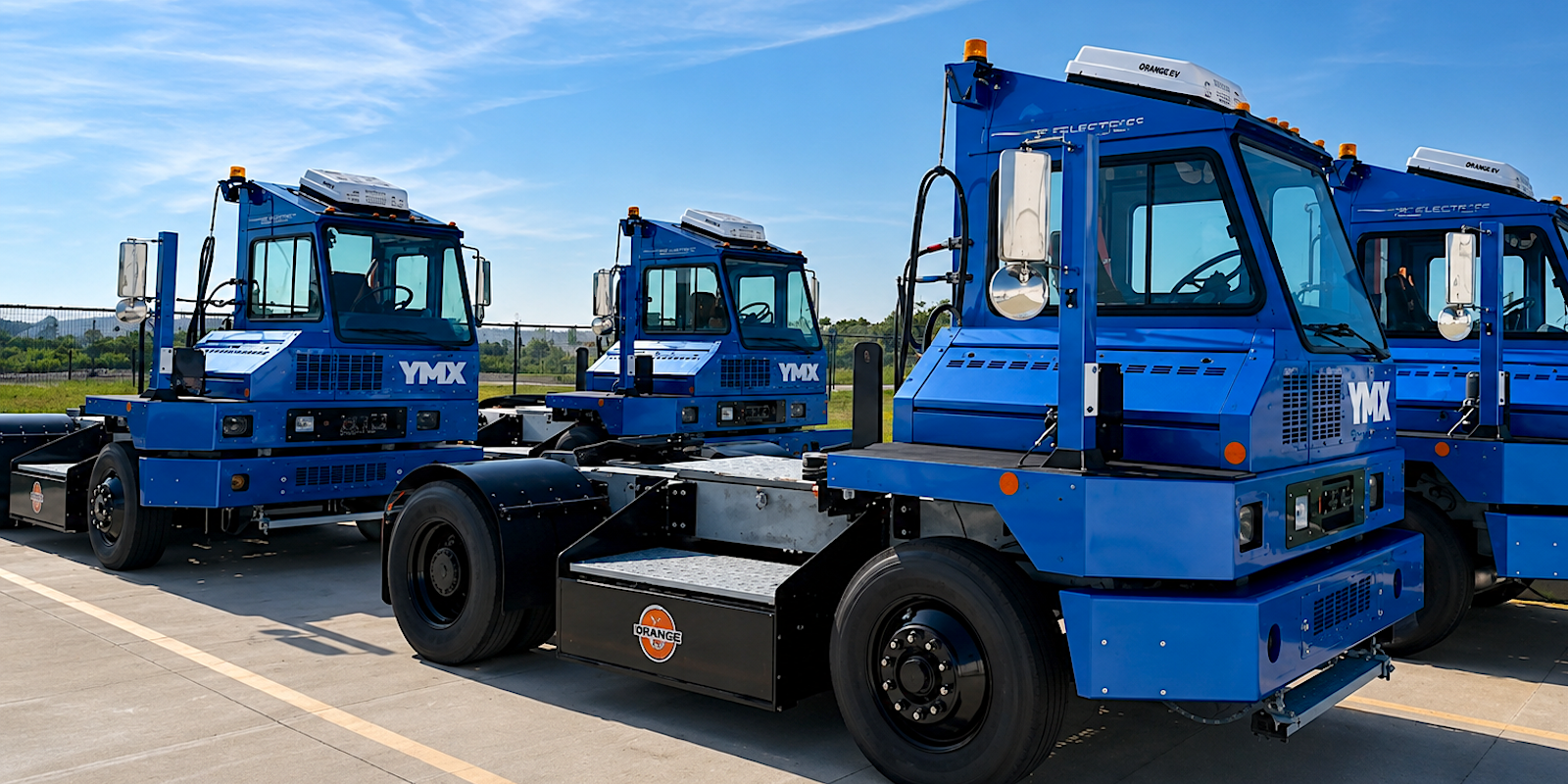
This is where the commercial electric vehicle (EV) transition transforms from an environmental initiative into a vital corporate shield. By shifting from diesel to electricity, businesses can effectively decouple their operational costs from the volatile global oil market. Electricity prices, while subject to local utility adjustments, are infinitely more stable and predictable than global oil spot prices. According to an original Electrek analysis, electrifying your commercial fleet is no longer just about meeting corporate social responsibility (CSR) goals—it is the single most effective hedge against geopolitical instability.
By transitioning your fleet, your business gains several game-changing advantages:
- Unmatched price stability that allows for precise, long-term budget forecasting.
- Significantly lower maintenance costs due to fewer moving parts in electric drivetrains.
- Exemption from increasingly strict urban emissions zones and potential carbon taxes.
- Enhanced brand reputation as consumers actively choose ecologically responsible brands.
The warning signs are flashing red. Business leaders who continue to delay their transition to electric fleets are playing a dangerous game of Russian roulette with their bottom lines. The question is no longer whether you can afford to go electric, but rather, how much longer can you afford to stay hooked on oil? In this new era of global instability, green technology is no longer just about saving the trees; it is about saving your company from financial ruin.