
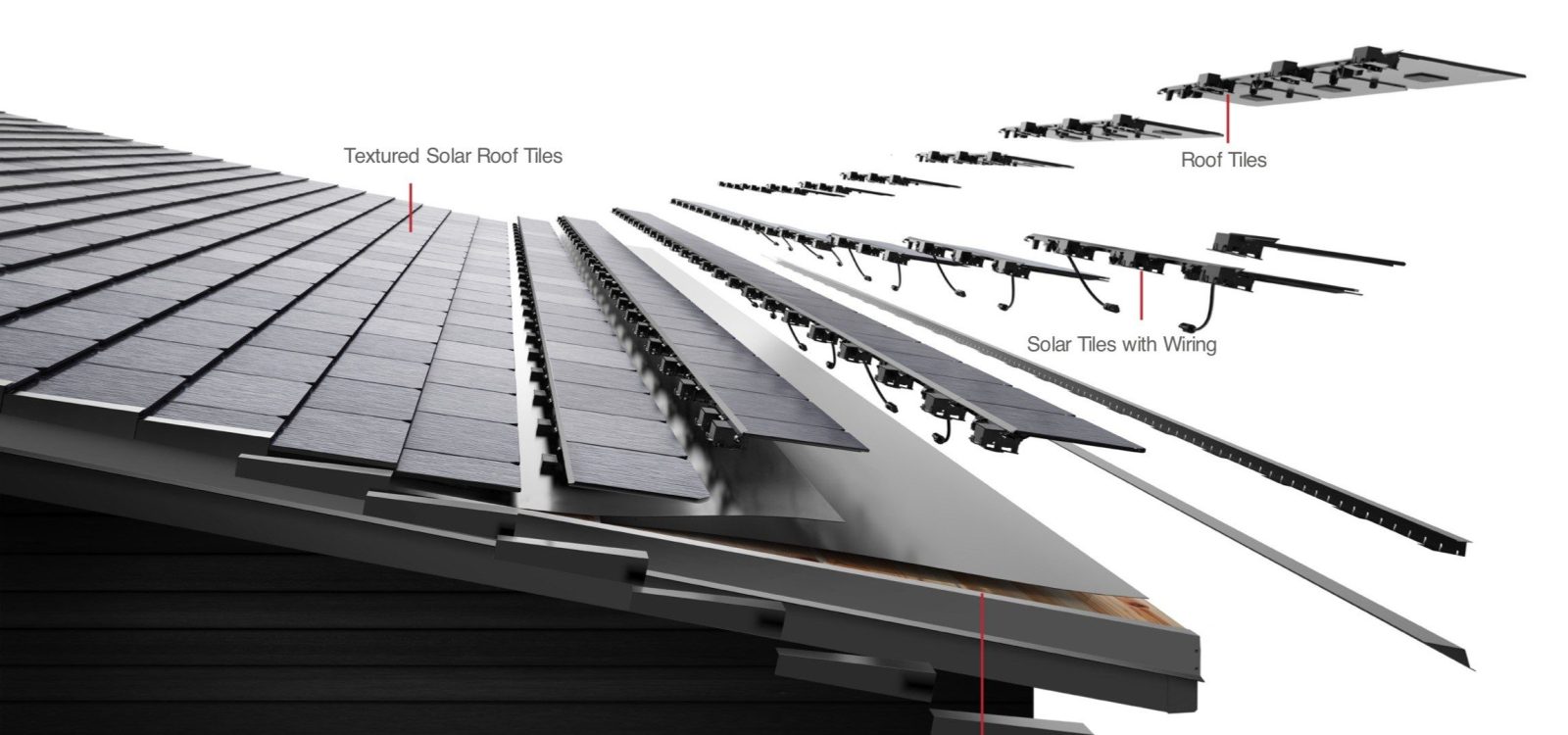
It was supposed to change the world. In 2016, Elon Musk stood on a Hollywood set and unveiled what he claimed would be the future of clean energy: the Tesla Solar Roof. Beautiful, durable glass tiles that could power your entire home while looking indistinguishable from standard roofing materials. Fast forward to today, and that revolutionary dream has officially turned into a nightmare of epic proportions. Reports reveal that Tesla has quietly abandoned its grand solar roof plans, pivoting instead to the very same conventional solar panels Musk once mocked.
The Shattered Promise of the Solar Roof
The gap between Elon Musk’s hyped marketing and reality has never been wider. When the product launched, Musk confidently targeted an installation rate of 1,000 new Solar Roofs per week by the end of 2019. It was a bold claim that drove massive hype, stock surges, and consumer excitement. Yet, nearly a decade later, the actual deployment figures are shockingly low. Total installations have barely cracked 3,000. That is not 3,000 per week, but roughly 3,000 total systems in almost ten years. To make matters worse, Tesla has completely stopped reporting its solar deployment numbers to the public, hiding the decline in plain sight.
For thousands of early adopters, this massive slow-down is a bitter pill to swallow. Customers who paid tens of thousands of dollars in deposits or signed up for agonizingly slow installations are now left stranded. Many are stuck with a highly expensive, unsupported niche product that Tesla appears to have deprioritized entirely. According to industry reports, the dream of a seamless solar tile roof has been quietly swept under the rug.
Why Tesla’s Solar Tiles Failed to Ignite
So, what went wrong? The death of the Tesla Solar Roof was not caused by a lack of interest, but by complex engineering and insurmountable installation bottlenecks. Unlike standard solar panels, which can be easily bolted onto existing roofs in a matter of hours, installing Tesla’s customized solar tiles required replacing the entire roof. This meant coordinating complex electrical work with traditional construction, resulting in weeks of labor, massive cost overruns, and logistical chaos. Every house has a unique roof shape, requiring custom-fitted active and inactive tiles. The sheer customization involved killed any hope of rapid scaling. Prices skyrocketed from the initial affordable promises to upwards of $100,000 for average-sized homes, instantly pricing out the middle class.
The Quiet Pivot to Conventional Solar Panels
With the solar tile project proving to be an expensive, slow-moving disaster, Tesla is making a desperate pivot. The company is now quietly pushing standard, conventional solar panels rather than the beautiful glass tiles they once touted as the gold standard. While conventional panels are far more practical and cost-effective, they represent a massive step backward for Musk’s aesthetic vision. This strategic shift signals a quiet admission of defeat. Tesla’s energy division is scaling back its grand architectural ambitions to focus on basic panel installations, hoping to stay relevant in a highly competitive market. For those who believed in the solar revolution, this pivot serves as a cautionary tale of Silicon Valley hubris versus real-world engineering realities.