The EV Shockwave: Volkswagen’s High-Stakes Gamble
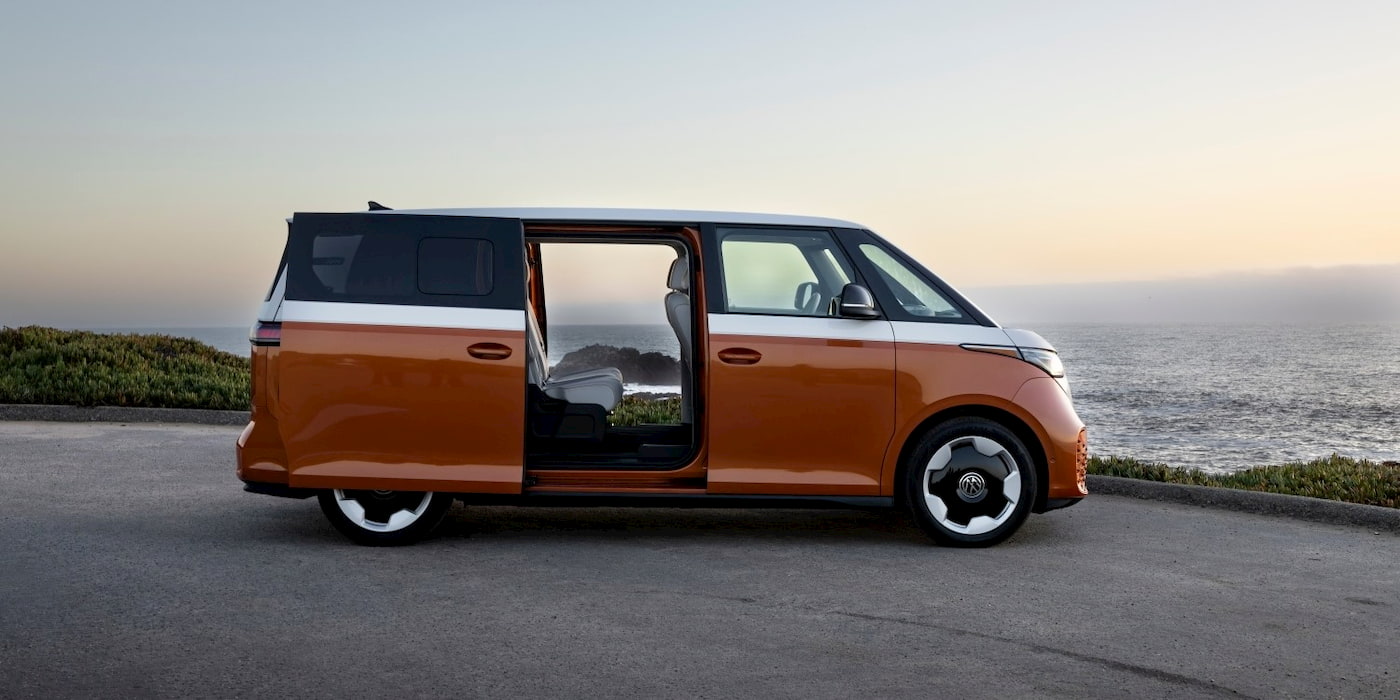
The electric vehicle market has just been rocked by an absolute bombshell from Wolfsburg. Volkswagen, a titan in the automotive transition to clean energy, has announced a dramatic reshuffling of its lineup that has left both investors and consumers stunned. In a move that absolutely nobody saw coming, the German automaker is hitting the pause button on one of its most critical electric offerings, while simultaneously resurrecting a retro icon that was supposedly on its deathbed. Prepare yourselves, EV enthusiasts: the Volkswagen ID. Buzz is officially returning for the 2027 model year, but this massive victory comes at a devastating cost. The beloved, mainstream ID.4 crossover is entering a sudden and mysterious hiatus.
This sudden pivot represents one of the most aggressive strategic gambles Volkswagen has made in recent memory. For the past few years, the automotive giant has pushed hard to democratize electric vehicles with practical, family-friendly designs. The ID.4 was supposed to be the spearhead of this revolution—a sensible, mass-market SUV designed to steal market share from Tesla. Yet, in a shocking twist of fate, production plans have been completely upended.
While retro-futuristic van lovers are celebrating the return of the glorious ID. Buzz for 2027, mainstream buyers are left asking deep, unsettling questions about the fate of the brand’s core EV lineup. Why would VW halt production on its flagship crossover just as the electric vehicle race reaches a boiling point?
Why the Popular ID.4 is Going Dark
The news that the ID.4 is going on a temporary hiatus has sent shockwaves through dealership networks across North America and Europe. Industry insiders suggest that this decision is a calculated move to address nagging supply chain bottlenecks, software overhauls, and shifting market demands. The competition in the compact electric SUV segment has become cutthroat, with Hyundai, Kia, and Tesla aggressively slashing prices and boosting efficiency.
By temporarily pausing the highly-rated ID.4 platform, Volkswagen may be clearing the runway for a massive mid-cycle refresh. The company needs to address critical software issues and hardware limitations that have plagued earlier models if it wants to remain competitive. However, halting production during a crucial market expansion is a massive risk that could alienate loyal customers who aren’t ready to transition to a massive, expensive retro van.
The Resurrection: The 2027 ID. Buzz is Back with a Vengeance
On the flip side of this shocking announcement is the triumphant return of the ID. Buzz. The modern, fully electric reincarnation of the classic 1960s microbus has captured the imaginations of drivers worldwide. It is not just a vehicle; it is a cultural statement on wheels. For the 2027 model year, Volkswagen is promising that the ID. Buzz will return with upgraded range, faster charging capabilities, and next-generation software that will leave its predecessor in the dust.
The demand for the ID. Buzz has always been fueled by intense nostalgia and a desire for unique aesthetics in an era of boring, look-alike SUVs. By doubling down on this high-margin, high-visibility vehicle, VW is banking on emotional branding to carry them through turbulent economic times.
Key Takeaways of the VW Electric Shakeup
As we look ahead to 2027, the automotive landscape is shifting rapidly. Here is what consumers need to know about this sudden pivot:
- The 2027 ID. Buzz will feature upgraded battery chemistry for vastly improved winter driving range.
- ID.4 production will pause briefly, allowing factories to retool for next-generation electric drivetrains.
- Dealers are expecting a massive surge in pre-orders for the limited-run 2027 ID. Buzz models.
- Existing ID.4 owners will continue to receive full software support and warranty coverage during the hiatus.
Whether this high-stakes chess move pays off remains to be seen, but one thing is certain: Volkswagen is not playing it safe in the war for EV dominance.