The era of energy uncertainty is upon us, and homeowners are panicking. As the grid grows increasingly fragile under the weight of climate change and aging infrastructure, a massive surge in the home battery backup market has left consumers asking one vital question: how much power is enough? Is the dream of a ‘whole home’ setup a necessary safeguard, or are we just throwing money at a glorified way to keep our phones charged for some post-hurricane doom scrolling? We turned to the experts and the latest consumer data to find out the truth behind the battery hype.
The Truth About Home Battery Backup Needs
For years, the marketing machines of major energy tech companies have pushed a single narrative: total independence. They want you to believe that unless you have a massive stack of lithium-ion cells capable of powering your entire residence—including the high-draw HVAC and the electric dryer—you are vulnerable. However, recent surveys of savvy energy enthusiasts suggest a much more nuanced reality. Many people are discovering that the cost of a full-scale system doesn’t always align with the actual utility provided during a blackout.
When the lights go out, the psychological need for connection becomes paramount. For a large segment of the population, a home battery backup isn’t about running the dishwasher; it’s about the security of a working smartphone, a powered router, and enough light to navigate the house safely. This has sparked a fierce debate between the ‘survivalist’ tier of energy storage and the ‘practical’ tier. Are you building a bunker, or are you just trying to survive a 12-hour outage without your food spoiling?
Portable Power Stations vs. Whole-Home Systems
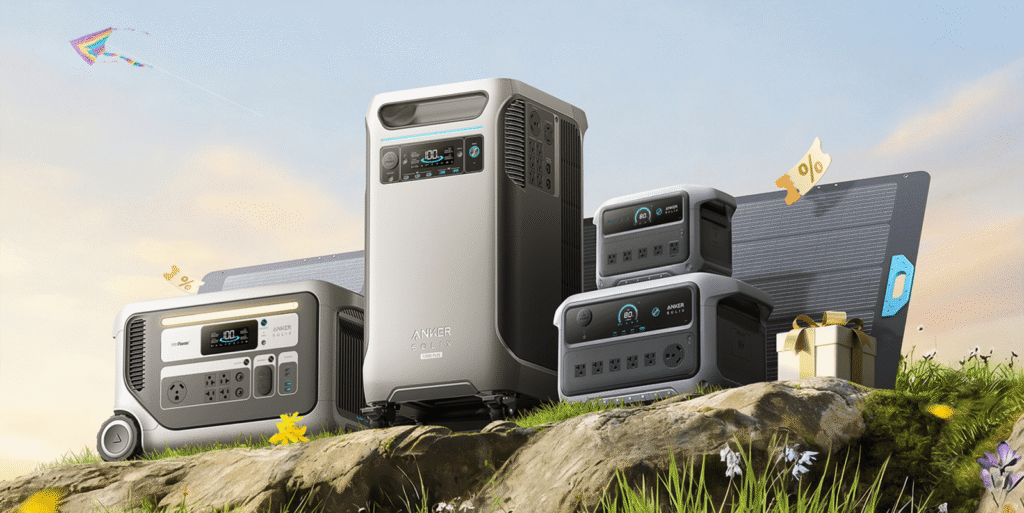
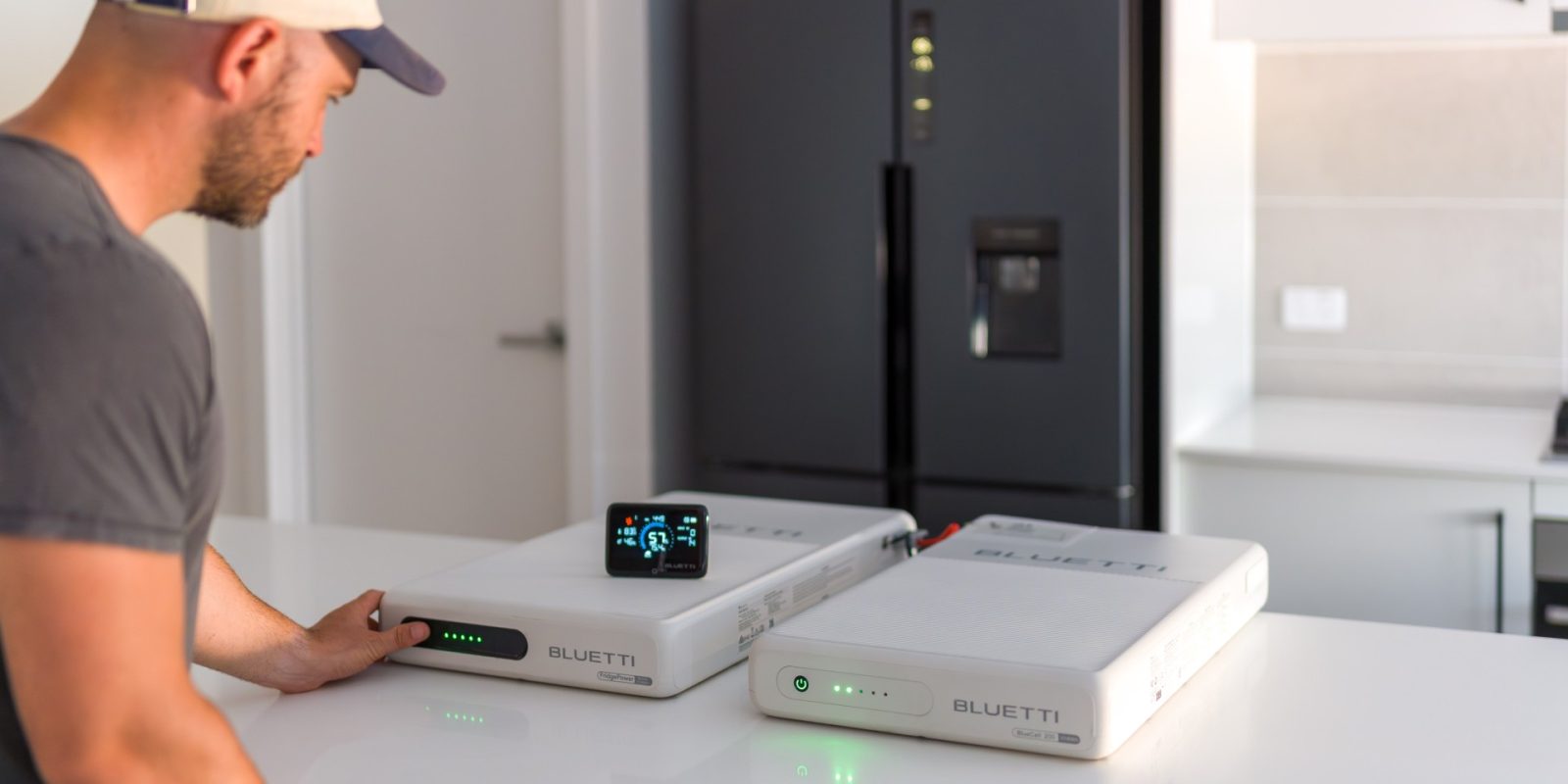
The industry is currently split into two major categories. On one hand, you have the permanently installed, hardwired systems that integrate directly into your electrical panel. These are the gold standard for luxury and seamless transition. On the other hand, the rise of portable power stations has offered a disruptive alternative. These units are often more affordable and offer a level of flexibility that fixed units simply cannot match. Consider the following benefits of the modular approach:
- Lower entry cost for homeowners on a budget.
- The ability to prioritize critical circuits like refrigeration and medical devices.
- Portability for use during outdoor activities or remote work.
- Easy expansion as your energy needs grow over time.
While the hardwired systems offer a set-it-and-forget-it experience, the portable market is winning over those who realize they don’t actually need to power their entire mansion during a storm. The focus has shifted from raw capacity to intelligent management.
Why You Might Be Overspending on Solar Storage
According to data from the U.S. Department of Energy, sizing a system correctly is the single most important factor in achieving a return on investment. Many homeowners are being upsold on massive arrays that they will never fully utilize. The chemical degradation of these batteries begins the moment they are manufactured, meaning if you aren’t cycling your battery regularly, you are essentially watching your investment rot in the garage.
The latest survey results from Electrek readers confirm that the ‘sweet spot’ for most users lies somewhere in the middle. They want enough juice to keep the fridge running and the internet humming, but they are increasingly wary of the five-figure price tags associated with ‘whole home’ branding. As the market matures, we expect to see a massive shift toward smarter, smaller, and more efficient home battery backup solutions that cater to the way we actually live—not just the way we fear the apocalypse.
In conclusion, before you drop a fortune on a massive energy storage system, audit your actual needs. If your primary goal is to stay connected and keep your food cold, a smaller, more focused system might be the smartest financial move you ever make. Don’t let the viral fear-mongering dictate your energy future; let your real-world usage guide the way.