
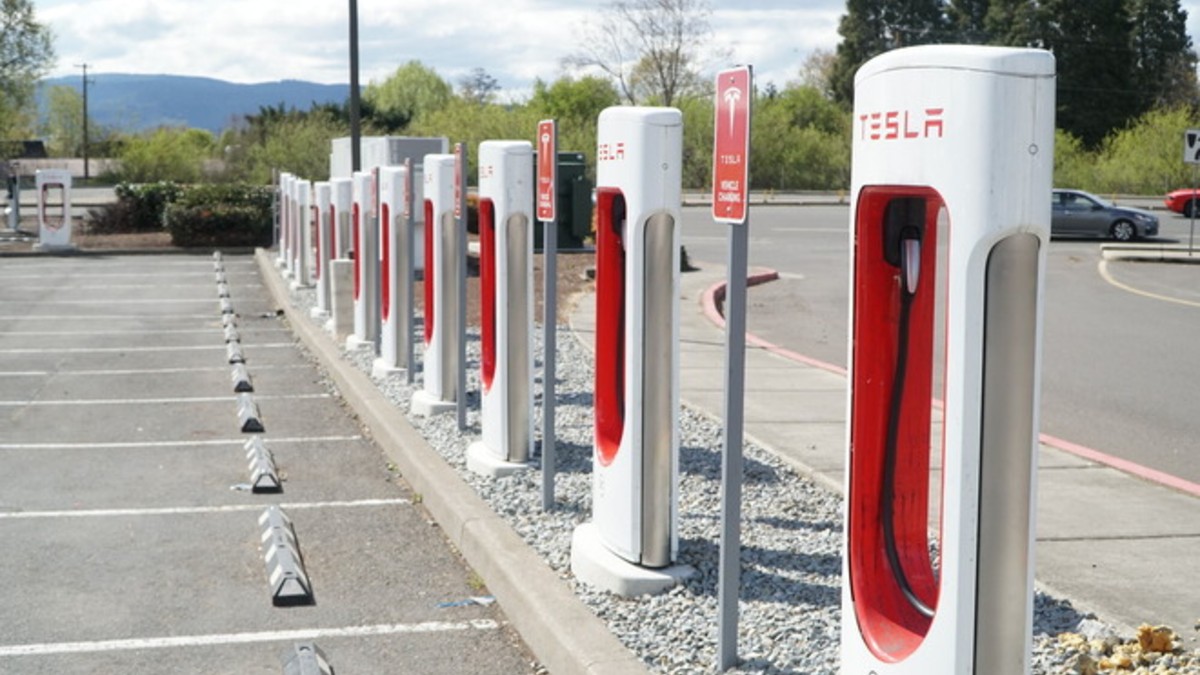
Oregon is setting the stage for a monumental shift in how we perceive long-distance travel. With the announcement of the second round of the National Electric Vehicle Infrastructure (NEVI) program, the state is effectively ending the era of range anxiety for thousands of drivers. This isn’t just a minor upgrade; it’s a total overhaul of the Pacific Northwest’s transit identity. For years, the dream of a seamless electric road trip was hampered by charging deserts—vast stretches of highway where an EV battery would slowly drain with no hope of a fast recharge. But those days are officially numbered as the state gears up for a massive infrastructure explosion.
The Oregon Department of Transportation is not playing games with this rollout. By strategically placing 24 new high-speed charging sites, they are bridging the gap between urban hubs and rural landscapes. This initiative ensures that whether you are navigating the rugged coastline or the high desert of Central Oregon, a high-voltage lifeline is always within reach. The implications for the tourism industry are staggering, as EV owners who previously avoided long treks can now explore every corner of the Beaver State with total confidence. The transition to green energy is no longer a slow crawl; it is a high-speed race to the finish line.
The Death of Range Anxiety: Oregon’s Bold Move
The second round of funding represents a massive investment in the future of the planet and the convenience of the modern traveler. These stations aren’t your typical slow-charging wall plugs that take all night to provide a measly fifty miles of range. We are talking about ultra-fast DC charging units capable of adding hundreds of miles of range in the time it takes to grab a cup of coffee and a snack. This is the shock and awe strategy of the green energy movement. By flooding the corridors with reliable infrastructure, Oregon is forcing the hand of traditional internal combustion engine supporters and making gas stations look like relics of the past.
Experts suggest that this expansion will lead to a critical tipping point in EV adoption rates across the region. When consumers see charging stations as frequently as they see gas stations, the last remaining barrier to entry—fear of being stranded—vanishes. This is a direct challenge to the status quo and a signal to the rest of the country that Oregon is open for the electric business. The sheer scale of the 24-site rollout is enough to make even the most skeptical driver reconsider their next vehicle purchase, knowing they won’t be tethered to a city charger anymore.
Strategic Highway Corridors Unlocked
Where exactly are these miracle machines going? The plan targets the state’s most critical arteries to maximize impact. From the bustling I-5 corridor to the scenic stretches of Highway 97, the coverage map looks like a masterclass in logistics. The goal is simple: ensure that no EV driver is ever more than 50 miles from a high-speed charger. This 50-mile rule is the gold standard for federal NEVI compliance, and Oregon is meeting it with aggressive precision. This means the entire state becomes a playground for electric motorists, from the California border all the way to Washington.
Furthermore, these sites are being built with the future in mind, featuring scalable technology that can handle increasing power demands. They aren’t just for today’s Teslas and Rivians; they are designed to accommodate the next generation of heavy-duty electric trucks and delivery vans. By building the infrastructure today, Oregon is future-proofing its economy against the inevitable decline of oil and gas. The economic ripple effects will be felt in local communities, where these charging hubs will naturally attract retail, dining, and hospitality businesses looking to serve a captive audience of charging drivers.
Economic Impact and the Future of Green Travel
The financial injection from the federal government, combined with state oversight, creates a robust framework for long-term success. But the real story is about the people and the planet. This expansion means jobs—high-tech maintenance jobs, construction jobs, and the sustained economic growth that comes from increased interstate travel. As more travelers switch to electric, the air quality along our major highways will see a marked improvement, leading to better health outcomes for communities that have long suffered from the toxic fumes of exhaust pollution.
- 24 new high-speed charging locations strategically placed across the state.
- Elimination of major charging deserts in rural and coastal Oregon.
- Full integration with federal NEVI standards for maximum reliability.
- Support for both passenger vehicles and commercial electric fleets.
- A massive boost to the local tourism and hospitality sectors.
In conclusion, Oregon’s decision to aggressively expand its charging network is a total game-changer for the industry. It is a loud, clear message that the electric revolution is not just coming—it is already here and fully operational. For anyone still on the fence about making the switch to an electric vehicle, these 24 new reasons should be more than enough to convince you to ditch the pump forever. The road ahead is long, but for the first time in history, it is fully powered. You can read more about the technical specifications of these sites at this official source to stay updated on the latest developments in the EV world.