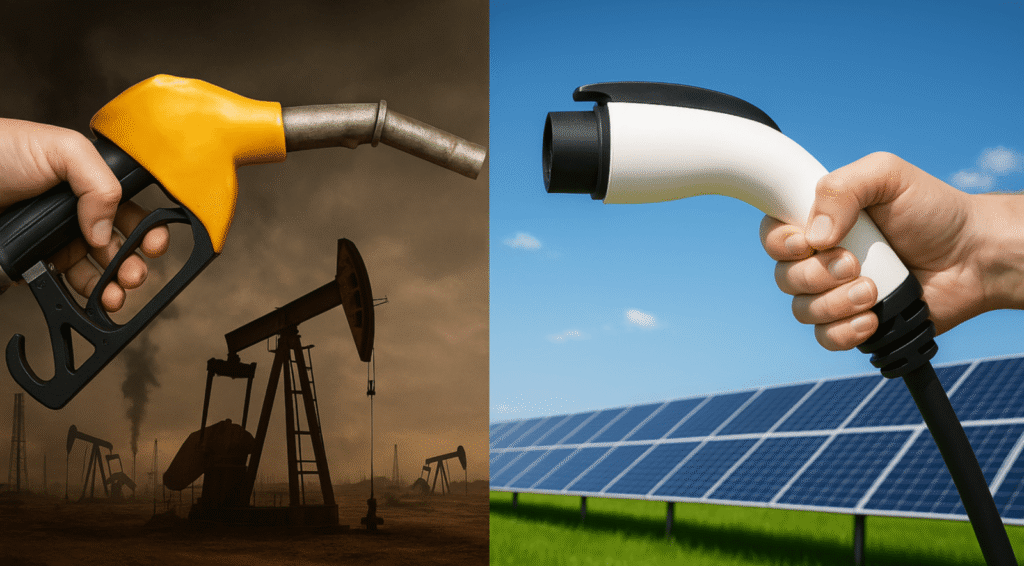
The roar of the engine, the smell of gasoline, and the ritual of the Sunday drive are all facing an existential threat. A groundbreaking new survey has sent shockwaves through the automotive industry, as thousands of respondents weigh in on a question that was once unthinkable: Who should actually be allowed to operate a fossil-fuel-powered vehicle in a rapidly electrifying world? As the climate crisis accelerates and electric vehicle (EV) adoption reaches a crucial tipping point, the debate over internal combustion engines (ICE) has shifted from ‘if’ they will be restricted to ‘how’ and ‘when’ the final transition will occur.
For decades, the freedom of the open road has been synonymous with the combustion engine. However, the tide is turning with unprecedented speed. The recent data collected from over 2,000 passionate drivers indicates a massive shift in public sentiment. It is no longer just a matter of environmentalism; it is about the very definition of modern mobility and whether the legacy of the 20th century has any place in the 21st. The tension between tradition and survival is reaching a boiling point, and the results of this survey suggest that the status quo is no longer an option.
The Shocking Reality of the Internal Combustion Engine’s Future
The survey results provide a stark look at a future where gas and diesel are no longer the default choice for transportation. While some enthusiasts argue for the total preservation of driving rights, a growing and vocal majority suggests that ICE vehicles should be relegated to very specific, utilitarian use cases. The transition to electric power is no longer a distant dream but an immediate mandate being pushed by both aggressive policy changes and shifting public demand. This is not just a policy change; it is a cultural revolution on wheels.
Many respondents believe that the privilege of driving a gas-guzzling machine should be reserved for those who truly need it for specialized tasks. This perspective marks a radical departure from the ‘all-or-nothing’ approach that has dominated political discourse for years. Instead, we are seeing the emergence of a nuanced, albeit highly controversial, hierarchy of vehicle access. The concept of ‘driving’ is being redefined from a universal right into a managed privilege regulated by environmental impact.
Who Should Keep Their Keys?
According to the data, there are several key categories where the public feels internal combustion engine vehicles might still be necessary for the foreseeable future. The consensus isn’t as unified as one might expect, leading to heated debates in the comments sections of major automotive journals. The categories frequently mentioned as potential exceptions include:
- Emergency response vehicles and heavy-duty search and rescue equipment that require instant refueling.
- Farmers and agricultural workers in remote areas where the charging infrastructure remains non-existent.
- Classic car collectors who view their vintage machines as historical artifacts rather than daily commuters.
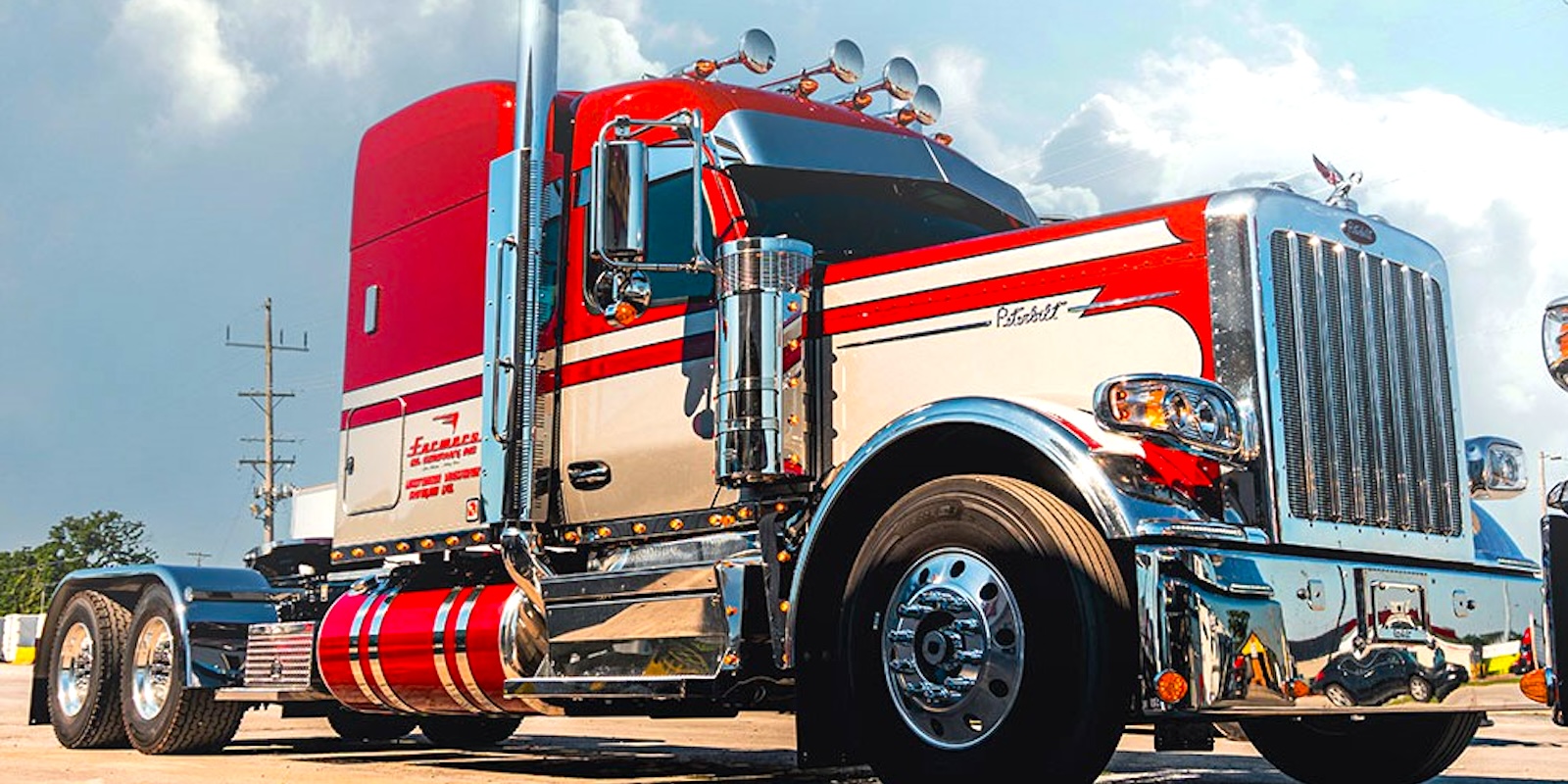
- Long-haul trucking operations where battery weight and charging times remain significant engineering hurdles.
- Military applications where energy security and field-refueling capabilities are matters of national safety.
However, the ‘average’ commuter is increasingly being left out of this equation. The sentiment suggests that if you are simply driving to the grocery store or the office, the justification for burning liquid dinosaurs is rapidly evaporating. This radical shift in mindset is what has traditional car manufacturers scrambling to pivot their entire production lines toward a zero-emission future before they are regulated into oblivion.
The Political and Economic Fallout of a Gas Ban
Implementing a gas vehicle ban isn’t just a matter of signing a decree; it is a socio-economic earthquake that will be felt for generations. Critics argue that such bans disproportionately affect lower-income families who cannot afford the high upfront costs of a new electric vehicle. Proponents, on the other hand, point to the long-term health benefits, the reduction in respiratory illnesses, and the decrease in localized noise pollution as a moral imperative that outweighs the temporary economic friction.
The geopolitical implications are equally staggering. As nations move away from oil, the global power balance shifts toward those who control the lithium, cobalt, and rare-earth mineral supply chains. This survey is a micro-reflection of a global movement that is fundamentally rewriting the rules of the road. We are witnessing the slow-motion death of an industry that defined the American dream for over a hundred years. As the infrastructure for EVs grows, the convenience of the gas station will soon become a relic of the past.
As we look toward 2030 and beyond, the results of this survey serve as a wake-up call to everyone from lawmakers to casual drivers. The era of unrestricted combustion is ending. Whether through legislative bans, high carbon taxes, or social stigma, the fossil-fuel-powered lifestyle is being phased out in favor of a silent, electrified future. You can read more about the latest global EV outlook to understand how these trends are manifesting on a worldwide scale. The question remains: when the final gas station closes its pumps, where will you be standing?