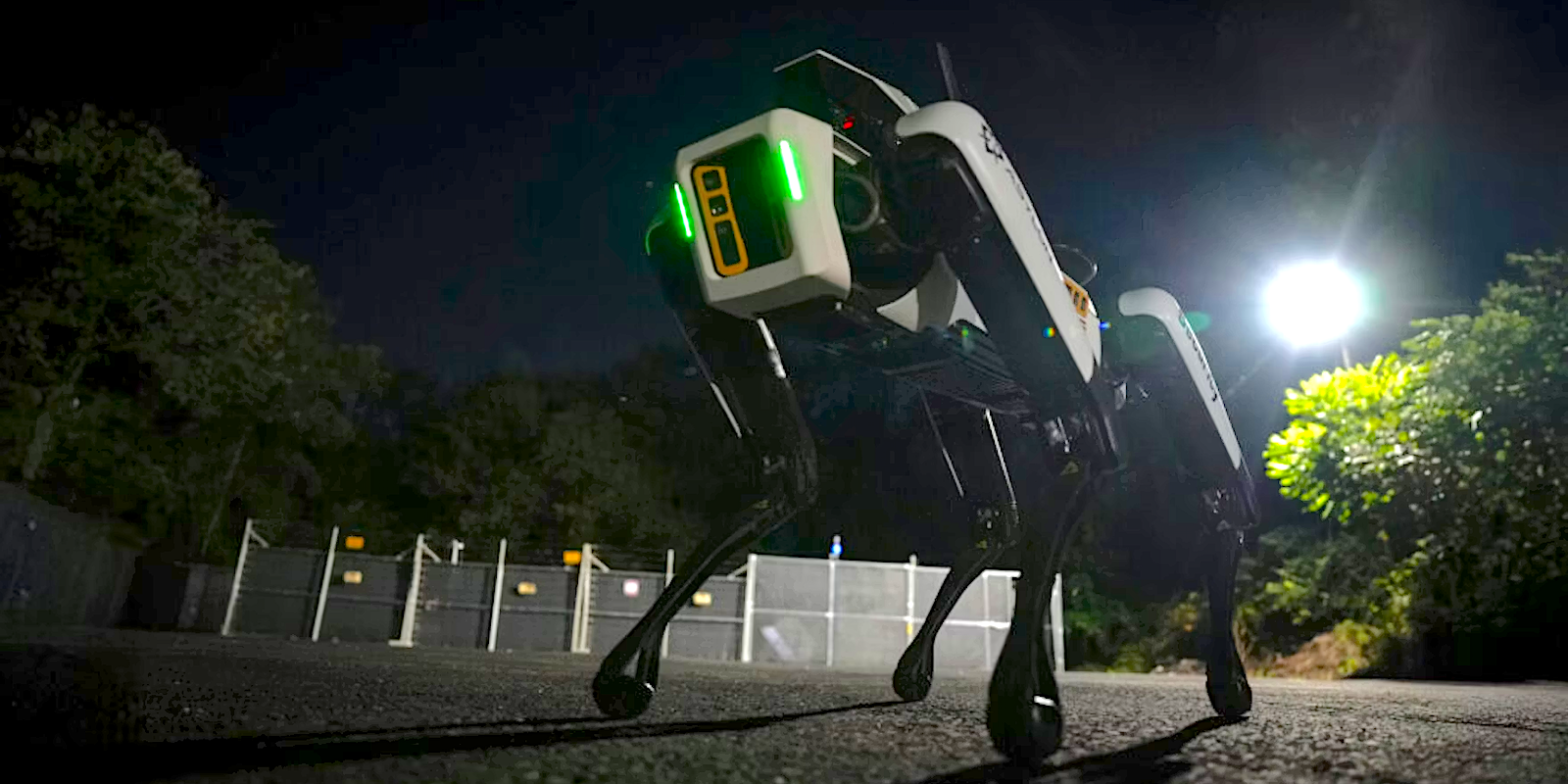
The age-old dream of a robotic workforce is no longer a fever dream of science fiction writers or Silicon Valley optimists. It is happening right now, on muddy construction sites and high-value industrial yards. While the world waits for Tesla’s Optimus to finally walk without a tether, Boston Dynamics has quietly unleashed a beast that is already punching a timecard. Meet the DroneDog, the four-legged security nightmare for vandals and a potential pink slip for traditional security personnel.
The New Guardian of the Job Site
For years, the tech industry has promised that humanoid robots would be the ‘biggest thing in the history of anything.’ However, as any industry expert will tell you, those bipedal wonders are perpetually ‘two years away.’ They are complex, prone to falling, and expensive to repair. Enter the quadruped. Boston Dynamics has pivoted from viral dance videos to cold, hard security reality. The DroneDog isn’t here to entertain you; it is here to protect assets with a level of vigilance no human guard can match. Unlike a person, this robot doesn’t get tired, doesn’t need coffee breaks, and has 360-degree vision that works in total darkness.
Site theft and vandalism cost the construction and industrial sectors billions of dollars annually. Traditional solutions—fences, cameras, and sleepy night guards—have proven inadequate against determined intruders. The DroneDog changes the equation. It is a mobile, intelligent sensor platform capable of navigating treacherous terrain that would trip up a human or a wheeled robot. By integrating advanced thermal imaging and AI-driven anomaly detection, it can spot a trespasser from hundreds of yards away before they even touch a perimeter fence. This represents a seismic shift in how we perceive physical security in the 21st century.
Why DroneDog is Smarter Than a Human
It sounds like a headline from a dystopian novel, but the technical specs of the DroneDog are genuinely terrifying for anyone on the wrong side of the law. Equipped with a suite of LiDAR sensors and high-definition cameras, the robot creates a real-time digital twin of its environment. It knows when a pallet has been moved or when a door has been left ajar. Most importantly, it communicates this data instantly to a centralized command hub. While a human guard might miss a subtle sound or a dark shadow, the DroneDog’s algorithms are tuned to detect even the slightest deviation from the norm.
Furthermore, the integration of Boston Dynamics‘ industry-leading mobility software allows these robots to climb stairs, navigate rubble, and operate in rain or snow. This is not a ‘lab project’ anymore; this is a commercial-grade tool designed for the harshest environments on Earth. The speed at which these quadrupeds are being deployed suggests that the tipping point for automation in security is already behind us. It is no longer a question of ‘if’ robots will guard our infrastructure, but ‘how many’ will be deployed by the end of the decade.
The Economic Impact: Theft Prevention Reimagined
Critics argue that the rise of the DroneDog will lead to mass unemployment for security guards. While that fear is understandable, proponents argue that it is simply a shift in the nature of the work. Instead of walking a lonely beat for eight hours, humans will transition into ‘robot handlers’ or ‘remote operators,’ managing fleets of DroneDogs from a safe, comfortable office. However, the cost-saving potential for companies is undeniable. A one-time investment in hardware and a monthly software subscription is often significantly cheaper than paying multiple full-time salaries with benefits and insurance.
The ‘DroneDog’ isn’t just about catching thieves; it’s about data. Every patrol generates a massive amount of site data that can be used for project management, safety audits, and insurance compliance. We are moving toward a future where the job site is a living, breathing ecosystem monitored by tireless robotic sentinels. If you think your job is safe from the robotic revolution, you might want to look over your shoulder—there might be a DroneDog already on your tail, ensuring that every bolt and beam is exactly where it should be.
- 24/7 autonomous patrolling capabilities with no downtime.
- Advanced thermal and LiDAR sensor suites for total visibility.
- Reduced liability and insurance costs for site owners and contractors.
- Real-time alerts and seamless cloud integration for instant response.
In conclusion, the era of ‘perpetually two years away’ is over for security robotics. Boston Dynamics has proven that the quadruped form factor is the king of the job site. The DroneDog is here, it’s ready to work, and it’s changing the landscape of security forever. As theft rates continue to climb globally, these robotic dogs might be the only thing standing between a profitable project and a total loss.