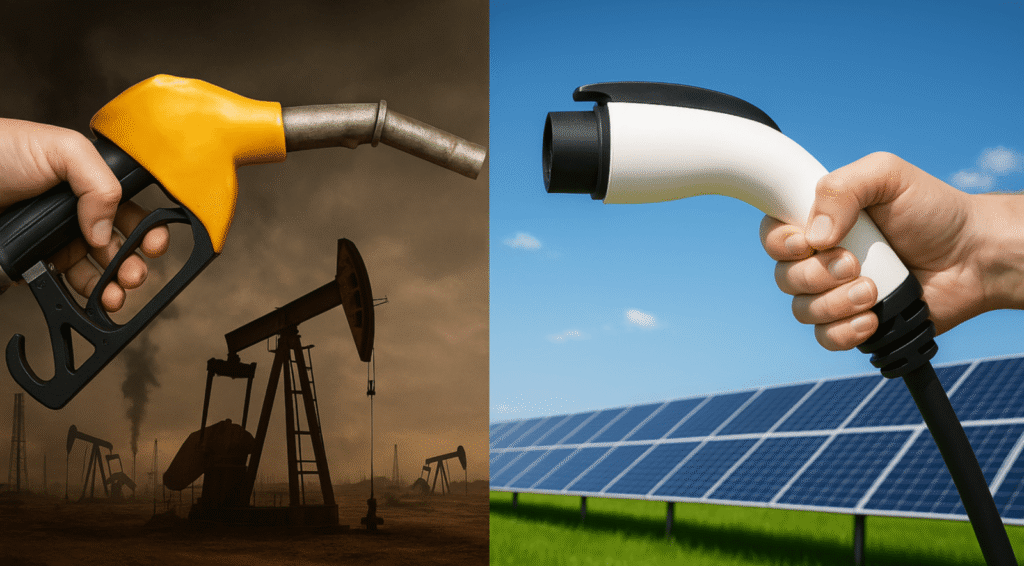
The Hidden Crisis Threatening to Destroy the EV Revolution
For years, the narrative surrounding electric vehicles has been focused on one thing: build more chargers. From the bustling streets of Manhattan to the quiet suburbs of Long Island, the push for infrastructure has been relentless. However, a dark secret has been lurking beneath the surface of the green energy transition. It isn’t just about having a plug; it is about whether that plug actually works when you need it most. New York is finally addressing the weak link that could make or break the entire EV movement.
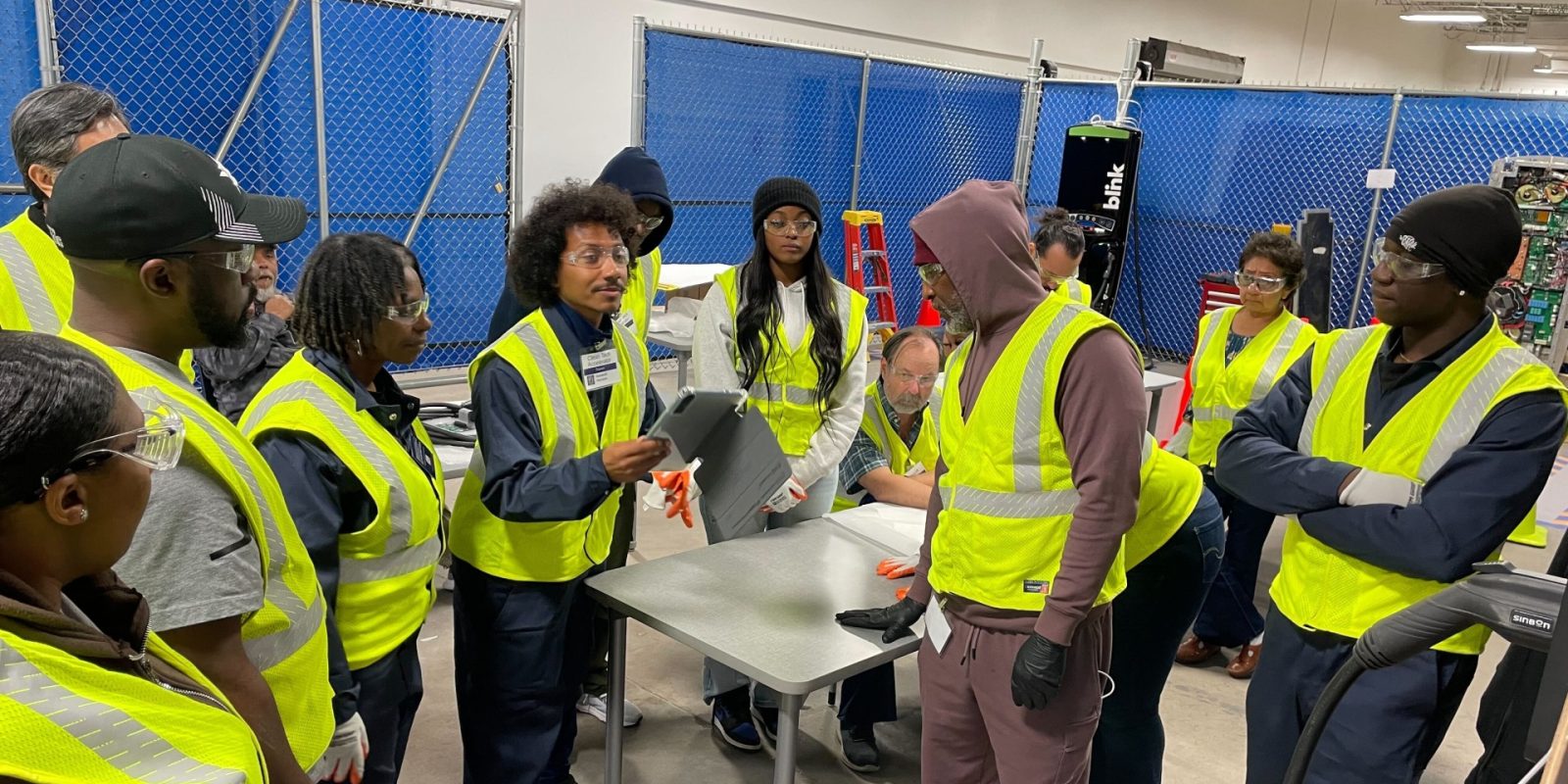
Reports of ‘charger anxiety’ are beginning to outpace ‘range anxiety.’ Drivers pull up to a designated fast-charging station only to find a ‘broken’ sign or a digital screen frozen in a boot loop. This isn’t just an inconvenience; it’s a systemic failure that threatens to derail national climate goals. New York State is now putting serious capital behind the often-overlooked heroes of this transition: the technicians. By focusing on the workforce responsible for keeping these machines humming, the state is making a gamble that human labor, not just hardware, is the key to a sustainable future. Without a reliable network, the move away from fossil fuels will be nothing more than a pipe dream.
Why Broken Chargers Are the New Traffic Jams
Imagine pulling into a gas station with an empty tank only to find every single pump is out of order. That is the daily reality for many EV drivers today. The lack of reliable EV charger maintenance has become a national scandal. While federal and state governments have dumped billions into installing new hardware, they have notoriously neglected the service contracts and technical training required to keep those units operational. New York City and the surrounding metro areas are particularly vulnerable to this neglect given the high density of users and the extreme wear and tear of urban environments. A charger that is down for a week in Brooklyn can strand hundreds of commuters.
The new funding initiative aims to create a massive pipeline of skilled workers. These are the individuals who understand the complex interplay of high-voltage electricity, software interfaces, and thermal management systems. Without them, the thousands of chargers being installed today will become nothing more than expensive lawn ornaments by tomorrow. The state’s investment isn’t just about jobs; it’s about reliability and consumer trust. If New York wants to hit its aggressive carbon reduction goals, it needs a charging network that functions 99% of the time, not just when the weather is perfect. This initiative marks a turning point where maintenance is finally treated as a priority rather than an afterthought.
A Strategic Shift in the EV Battleground
The shift in strategy highlights a maturing market. In the early days of the electric car boom, the goal was visibility—getting chargers into parking lots to prove the technology existed. Now, the goal is utility. The New York Power Authority and various city agencies are collaborating to ensure that maintenance isn’t an afterthought. This includes specialized training programs that treat EV charger maintenance as a high-skill trade, similar to HVAC or electrical engineering. This professionalization of the workforce is expected to ripple across the Northeast, setting a standard for how other states handle their infrastructure woes. We are seeing a move from ‘quantity’ to ‘quality’ in real-time.
- Increased uptime for DC fast chargers in high-traffic zones.
- Localized job creation for technical workers in underserved communities.
- Enhanced consumer confidence in the viability of long-distance EV travel.
- Standardized repair protocols to reduce downtime from weeks to mere hours.
For those interested in the broader implications of these developments, you can follow the latest green energy news to see how other states are reacting to New York’s lead. The stakes couldn’t be higher. If New York succeeds, it provides a blueprint for the rest of the nation. If it fails, the electric vehicle revolution might just stall out on the side of the highway, waiting for a repairman who never comes. The transition to a fossil-free future depends on these invisible workers, and New York is finally giving them the spotlight and the funding they deserve.
Ultimately, the move by New York recognizes that the EV transition is a marathon, not a sprint. We have moved past the novelty phase and into the operational phase. As more drivers ditch internal combustion engines for electric motors, the pressure on the grid and the hardware will only grow. Ensuring that there is a qualified technician available to fix a faulty cooling fan or a corrupted payment gateway is the most sensible investment the state has made to date. It is time to stop worrying about how many chargers we have and start worrying about how many of them actually work. This is the only way to win the war on climate change.