The Shocking Collapse of GM’s Electric Truck Empire
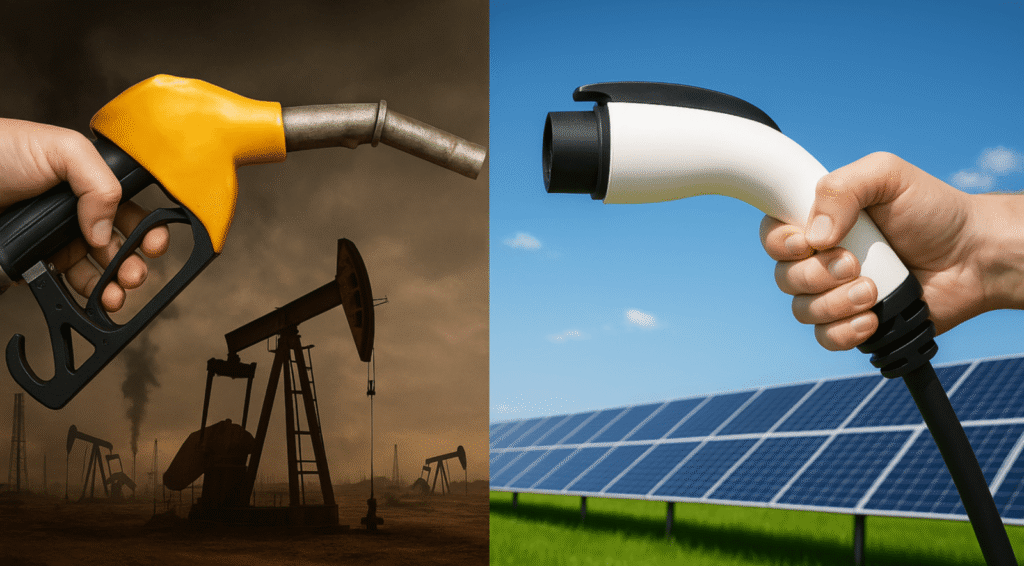
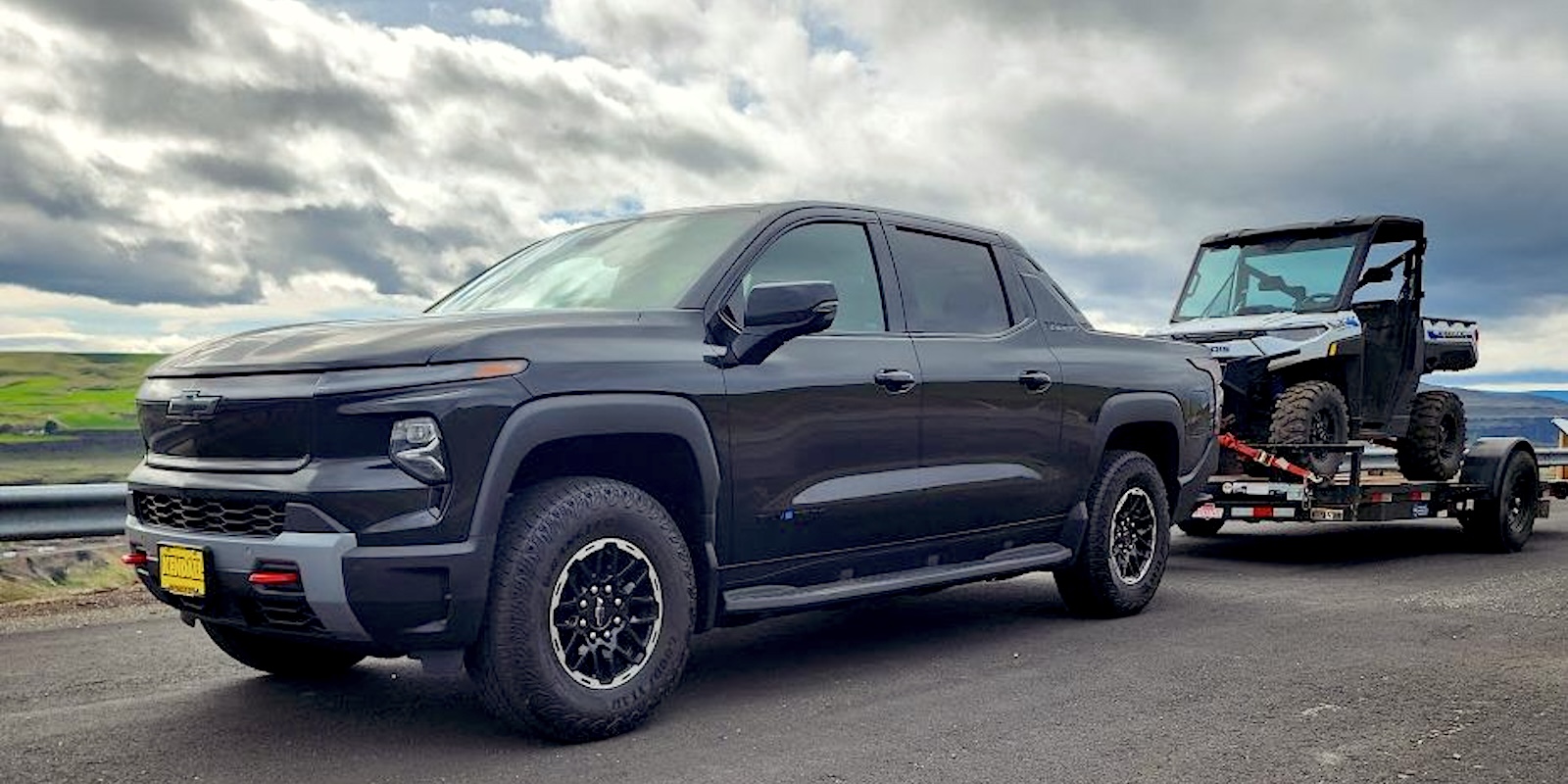
In a move that has sent massive shockwaves through the global automotive industry, General Motors (GM) has officially announced the indefinite suspension of its next-generation electric truck and SUV refresh plans. This is not just a minor delay or a strategic hiccup; it is a full-scale retreat from a vision that was once touted as the absolute future of the American road. The Chevrolet Silverado EV, GMC Sierra EV, and even the flagship Hummer EV are now facing a terrifyingly uncertain future as GM pivots back to the gas-guzzling internal combustion engines that built the company from the ground up.
For the last several years, CEO Mary Barra and the leadership team at General Motors promised a seamless transition to a zero-emissions lineup. However, reality has finally set in with a vengeance. High production costs, lagging infrastructure, and a cooling consumer market for high-priced electric pickups have forced the titan of Detroit to rethink everything. This decision leaves current owners and reservation holders wondering if they have purchased a ‘dead-end’ technology that will soon be obsolete. The dream of an all-electric fleet by 2035 is looking more like a nightmare for environmental advocates and a relief for those who value the roar of a V8 engine.
Which Iconic Models Are Now Stuck in Limbo?
The scope of this suspension is massive and impacts the very core of GM’s electrification strategy. The list of vehicles now stuck in their first-generation iterations without a clear path forward for updates or improvements include:
- The Chevrolet Silverado EV: Once touted as the ‘Ford F-150 Lightning killer.’
- The GMC Sierra EV: The luxury workhorse that promised insane torque.
- The GMC Hummer EV: The massive ‘halo’ vehicle that symbolized GM’s technical prowess.
- The Cadillac Escalade IQ: The ultimate symbol of high-end electric luxury.
Industry analysts suggest that by halting the refresh of these platforms, GM is essentially signaling that they do not see a profitable path for the next five to ten years in the heavy EV segment. The Ultium platform, which was supposed to be the modular backbone of this entire revolution, is now being scrutinized as the company struggles to scale profitably. You can read more about the global shift in automotive manufacturing to see how other companies are reacting to this cooling market. The question remains: can GM survive this identity crisis as they balance their green promises with the cold, hard cash generated by fossil fuels?
The Great Pivot: Returning to Gas-Powered Dominance
Why the sudden and dramatic change of heart? The answer, as always, is the bottom line. Gas-powered trucks like the traditional Silverado and Sierra remain the primary profit drivers for General Motors. These vehicles fund the research and development for future projects, and right now, the return on investment for electric trucks is simply non-existent. The market for $100,000 electric trucks is significantly smaller than anticipated, and the charging infrastructure for towing—a key requirement for truck owners—remains abysmal across middle America.
This retreat marks a significant win for critics of rapid electrification. By doubling down on internal combustion engines (ICE), GM is prioritizing immediate financial stability over long-term environmental goals. It is a gamble that could pay off if EV adoption continues to plateau, but it risks leaving GM behind if the market suddenly shifts back or if competitors like Tesla and Rivian continue to innovate at a faster pace. Critics argue that this move is a betrayal of the green promises made to investors and the government. However, dealership data shows that consumers are still gravitating toward the reliability and range of gasoline. The ‘range anxiety’ phenomenon continues to plague the heavy-duty sector, where towing a trailer can cut an EV’s range by more than 50%. Without a breakthrough in solid-state batteries or a massive expansion of the charging network, the electric truck remains a niche luxury item rather than a mass-market tool.
Ultimately, the message from Detroit is clear: the electric revolution is being put on the back burner. For those who were waiting for the ‘second generation’ of GM EVs to fix the bugs and range issues of the first, the wait might be forever. The future of the Silverado EV and its siblings is now a giant question mark, as the hum of the electric motor is drowned out by the familiar sound of gasoline combustion once again.