The automotive world has been rocked by a sudden and dramatic admission from Hyundai Motor Group. After months of hushed whispers and terrifying reports from drivers stranded on high-speed motorways, the Korean giants have finally stepped into the light. In a move that signals both a crisis in quality control and a desperate attempt to save their reputation, Hyundai and Kia have announced a massive extension of warranties for vehicles plagued by a mysterious and dangerous power loss issue. This isn’t just a minor glitch; it is a fundamental threat to the electric vehicle revolution that both brands have championed for years.
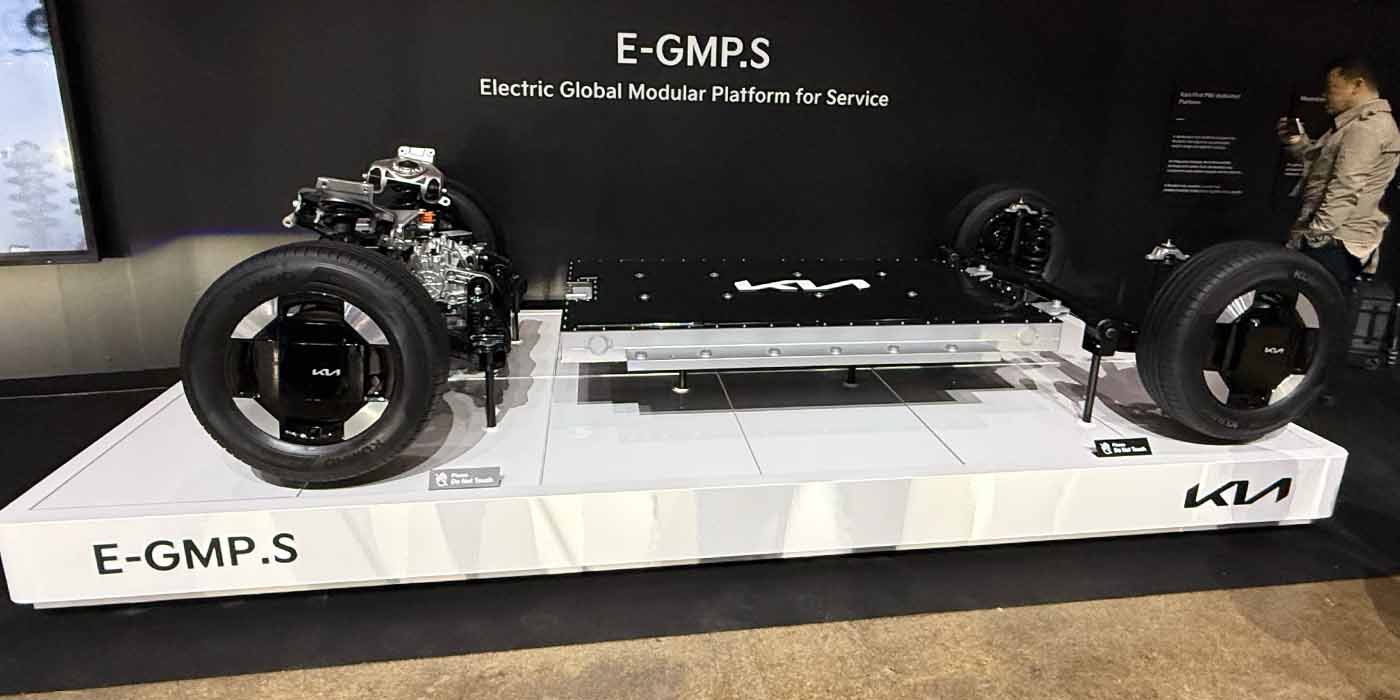
Imagine the horror of cruising at seventy miles per hour, your family in the back seat, only for your futuristic, award-winning EV to suddenly lose all propulsion. The dashboard flickers, a warning chime sounds, and you are left to steer a heavy, silent mass of metal through traffic without any power from the motor. This is the reality for thousands of owners who have fallen victim to the ICCU (Integrated Charging Control Unit) failure. What was once hailed as the ‘Tesla Killer’ is now being scrutinized as a potential safety hazard that could derail the entire E-GMP platform’s success story.
The Hidden Defect Killing Electric Cars
At the heart of this nightmare is the Integrated Charging Control Unit. This sophisticated piece of hardware is supposed to be the ‘brain’ that manages both high-voltage charging and the low-voltage 12V battery system. However, something has gone catastrophically wrong. Reports indicate that internal components within the ICCU are prone to failure, leading to a total shutdown of the vehicle’s electrical systems. When the ICCU fails, the car essentially eats itself, draining the 12V battery until the vehicle becomes a brick on wheels. The ‘rare issue’ cited by the manufacturers is becoming increasingly common in the eyes of frustrated consumers.
The fallout has been immense. For months, owners on internet forums have been sharing ‘horror stories’ of their cars dying in the middle of intersections. The manufacturer’s initial response was a series of software updates, but critics argue that these were merely digital band-aids on a physical wound. By finally extending the warranty, Hyundai and Kia are admitting that the hardware itself may be inherently flawed. This is a massive blow to the reliability ratings of the Ioniq 5, Ioniq 6, and the Kia EV6—cars that were supposed to lead the charge into a green future.
Is Your EV a Ticking Time Bomb?
If you are the owner of a vehicle built on the E-GMP platform, the anxiety is palpable. The affected models include some of the most popular EVs on the market today. While the companies maintain that the issue is ‘rare,’ the sheer scale of the warranty extension suggests a much deeper problem. Drivers are now left wondering if their vehicle is a ticking time bomb, waiting for the precise moment of maximum inconvenience or danger to shut down. The extension covers the ICCU and related components for a significantly longer period, but does that truly compensate for the loss of trust?
The industry is watching closely. As legacy automakers transition away from internal combustion engines, they are discovering that the complexity of power electronics brings entirely new sets of failures. Unlike a traditional engine that might sputter or smoke, an EV failure is often silent and instantaneous. This lack of warning is what makes the ICCU issue so terrifying for the average driver. You can monitor safety recalls and consumer reports on official sites like the National Highway Traffic Safety Administration to see if your specific VIN is under investigation.
The 10-Year Protection: What You Must Know
The new warranty terms are designed to offer peace of mind, but they come with strings attached. The extension typically moves the coverage to a 10-year or 100,000-mile bracket for the ICCU, ensuring that if your car dies five years from now, the multi-thousand dollar repair bill won’t fall on your shoulders. However, this does nothing for the resale value of these vehicles, which is already plummeting as news of these electrical failures spreads across the secondary market. Buyers are becoming wary of ‘early adopter’ technology that seems to have skipped the final stage of rigorous stress testing.
Hyundai Motor Group is currently working on a hardware revision that they claim will solve the problem once and for all. But for those already on the road, the only solution is a replacement of the faulty unit—a process that has been slowed down by global supply chain issues. As the companies scramble to fix their flagship models, the electric dream is facing its harshest reality check yet. Will you be safe in your Korean EV, or is it time to look elsewhere? Only time, and perhaps a very long warranty, will tell.