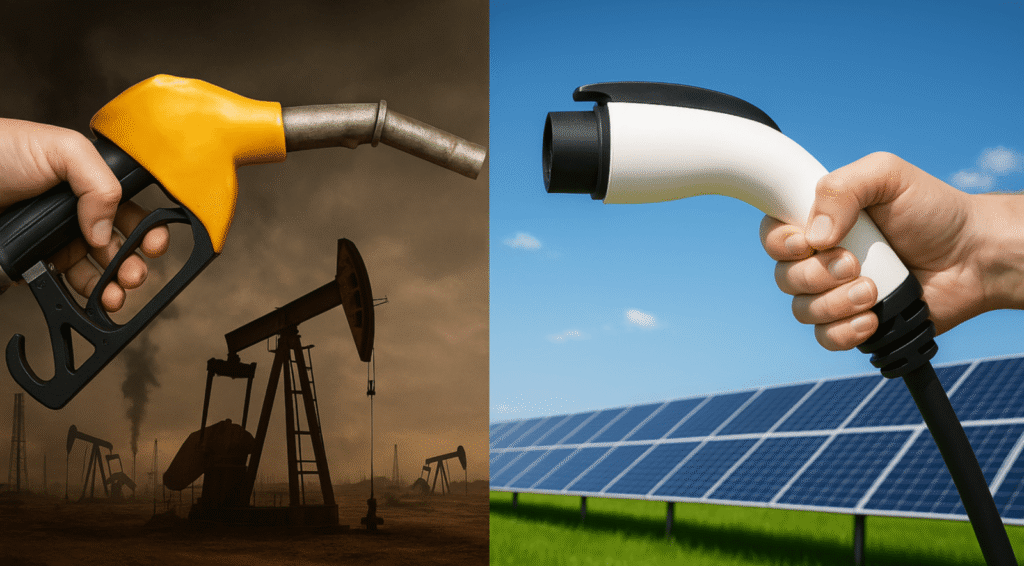
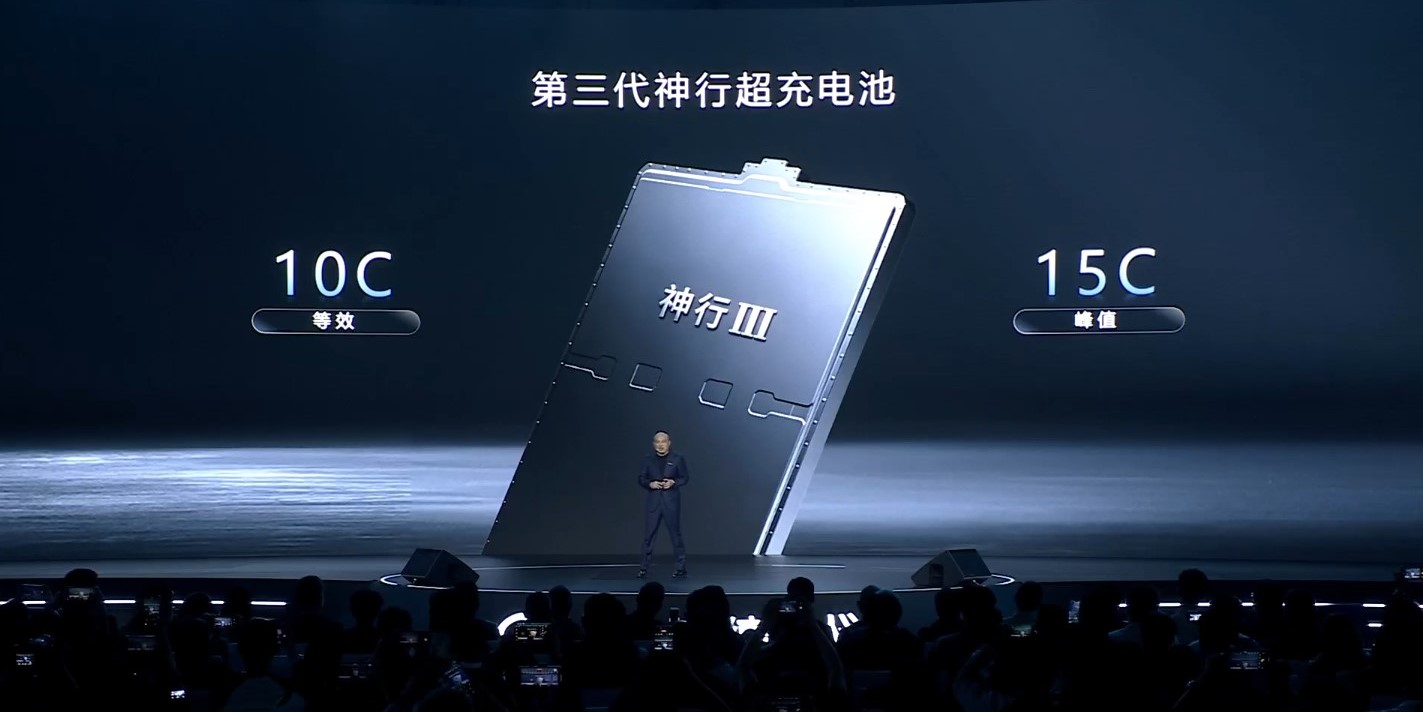
The electric vehicle industry has just witnessed a seismic shift that could render the internal combustion engine obsolete overnight. CATL, the global titan of battery manufacturing, has officially unveiled a lithium iron phosphate (LFP) battery capable of reaching a full charge in just over six minutes. This isn’t just a marginal improvement; it is a declaration of war against traditional fuel and a direct challenge to its main rival, BYD. For years, the biggest hurdle for EV adoption has been range anxiety and the frustrating wait times at charging stations. While gas cars can fill up in minutes, EV owners have often been relegated to long waits. CATL’s latest breakthrough changes the game entirely.
The Dawn of the 6-Minute EV Revolution
What makes this breakthrough so significant is the use of LFP (Lithium Iron Phosphate) chemistry. Traditionally, LFP batteries were seen as the budget option—safer and more durable than Nickel Manganese Cobalt (NCM) cells, but lacking in energy density and charging speed. CATL has flipped this narrative on its head. By optimizing the lithium-ion movement and enhancing the conductivity of the cathode and anode, they have unlocked speeds that were previously thought impossible for this chemistry. This 6-minute charge time means that the infrastructure of the future will look very different. We are moving away from the model of destination charging where you leave your car for hours, and moving toward flow-through charging, mimicking the high-turnover model of current gas stations.
How CATL Crushed the Competition
CATL’s dominance isn’t just about speed; it’s about scale and stability. While other startups have promised solid-state batteries that offer similar performance, those technologies remain stuck in the laboratory. CATL, on the other hand, is a manufacturing powerhouse capable of producing these new cells by the millions. This means the 6-minute charge will be available in affordable vehicles, not just high-end supercars. The technical secret lies in their super-electronic network cathode technology and a new formulation of high-conductivity electrolyte. These innovations reduce the resistance within the cell, allowing electricity to pour in at unprecedented rates without causing the battery to overheat or degrade. Safety has always been the hallmark of LFP, and CATL insists that even at these extreme speeds, the battery remains cooler than traditional cells.
Why the BYD Blade Battery 2.0 Just Lost its Crown
For the last two years, BYD has been the darling of the EV world with its Blade Battery. Known for its incredible safety and its space-saving form factor, the Blade Battery was the gold standard. However, the Blade Battery 2.0, while impressive, cannot match the raw charging velocity CATL has just demonstrated. In the high-stakes game of EV supremacy, charging speed is the new battlefield. As the competition intensifies, consumers stand to gain the most. The benefits of this competition include:
- Total elimination of range anxiety for long-distance travel.
- Increased resale value for EVs as battery technology stabilizes.
- Reduced strain on charging stations as cars move through faster.
- Lower costs for the end consumer as LFP materials are abundant.
Industry analysts at Bloomberg suggest that this advancement could accelerate EV adoption by as much as 30% in markets where long-distance driving is common. If you can charge your car as fast as you can buy a snack, there is truly no reason left to buy a gasoline vehicle. In conclusion, CATL has not just improved a battery; they have rewritten the rules of transportation. The 6-minute battery is here, and the world will never be the same. The race is now on for automakers to integrate these cells into their 2026 and 2027 lineups. If BYD doesn’t respond quickly, they may find themselves in the rearview mirror of a CATL-powered revolution.