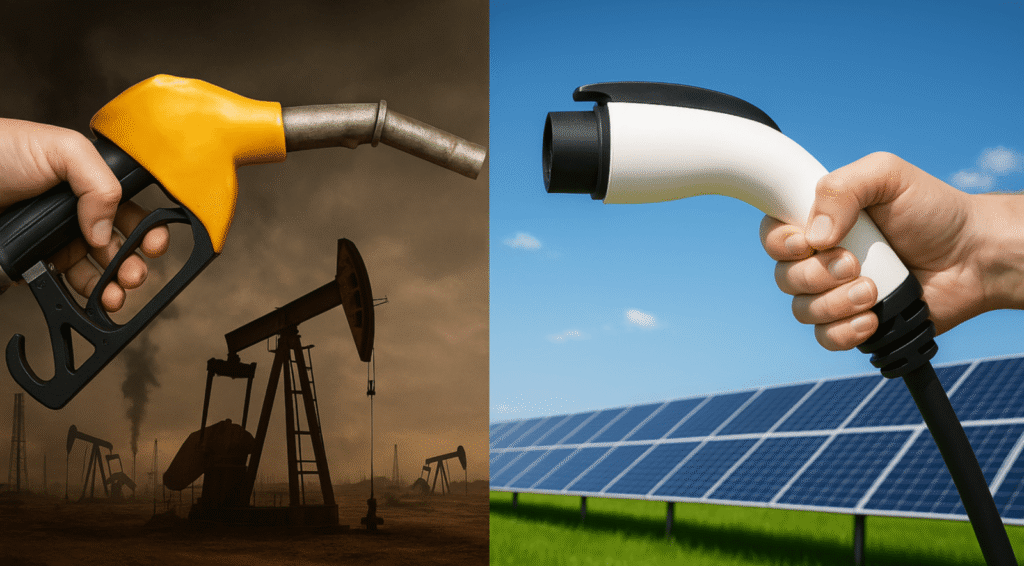
The automotive world is currently witnessing a seismic shift that few experts predicted would happen this quickly. For years, the biggest barrier to widespread electric vehicle (EV) adoption was the so-called ‘green premium’—the heavy price tag that made going electric a luxury reserved for the wealthy or the early adopters. However, those days are officially over. According to explosive new data from AutoTrader, the UK’s largest automotive marketplace, the upfront cost of a brand-new electric car has finally plummeted below the cost of its petrol-powered equivalents. This is a watershed moment for the global industry and a massive blow to the traditional oil-reliant automotive giants.
The Shocking Truth About UK Car Prices
The traditional narrative of the high-cost electric vehicle has been flipped on its head. While critics and petrol-enthusiasts argued that EVs would remain overpriced for decades due to battery costs, the reality on the ground in Britain tells a vastly different story. The price parity we were promised for the late 2020s has arrived years ahead of schedule. Drivers who were previously priced out of the green revolution are now finding that they can drive off the lot in a state-of-the-art electric machine for less than a noisy, polluting petrol hatchback. This isn’t just about incremental savings; it is a total market disruption that is sending shockwaves through every dealership from London to Edinburgh. The financial incentive to stick with fossil fuels is evaporating before our very eyes, leaving many to wonder if the internal combustion engine is finally on its deathbed.
The Secret Weapon: Chinese Innovation
How did this price collapse happen so fast? The answer lies in the East. While some countries are scrambling to implement massive tariffs and trade barriers to protect their domestic manufacturers, the UK has become a battleground for fierce global competition. The influx of high-quality, low-cost Chinese EVs has forced the entire market to adapt at lightning speed. Brands like BYD, MG, and others are offering technology and range that rival premium Western brands but at a fraction of the cost. As reported by The Guardian, the availability of these affordable models is the primary driver behind this sudden price crash. These manufacturers have mastered the art of battery production and supply chain efficiency, leaving traditional European and American manufacturers struggling to keep up with the sheer pace of innovation and cost-cutting. In the UK, the consumer is the ultimate winner in this global trade war, gaining access to cutting-edge technology for less than ever before.
Is Your Petrol Car Now a Liability?
The implications for current car owners are staggering and, for some, quite frightening. If a new electric car is cheaper to buy and significantly cheaper to run, what happens to the resale value of the millions of petrol and diesel cars currently on British roads? We are looking at a potential ‘death spiral’ for internal combustion engine (ICE) valuations. Smart money is already moving into electric, not just for the environmental benefits, but for the cold, hard cash savings. When you factor in the significantly lower fueling costs—especially when charging at home—and the reduced maintenance requirements of EVs compared to complex engines with hundreds of moving parts, the total cost of ownership is no longer a contest; it is a landslide victory for electric power. The window for selling a petrol vehicle at a premium price is closing fast as the market reaches a tipping point.
As more affordable Chinese models enter the market and local manufacturers are forced to slash prices to remain competitive, the pressure on the old guard will only intensify. This is no longer a niche trend for the eco-conscious; it is a full-scale economic revolution. The UK is leading the charge, proving that when the barriers to entry are removed, the public is more than ready to ditch the pump and embrace the plug. If you are currently in the market for a new vehicle, the question is no longer whether you can afford to go electric, but rather whether you can afford the massive depreciation and fuel costs of staying with petrol. The data is clear, the prices are down, and the future has arrived faster than anyone expected.