The $14.5 Billion Reckoning: A Deep Dive into Tesla’s Legal Wars
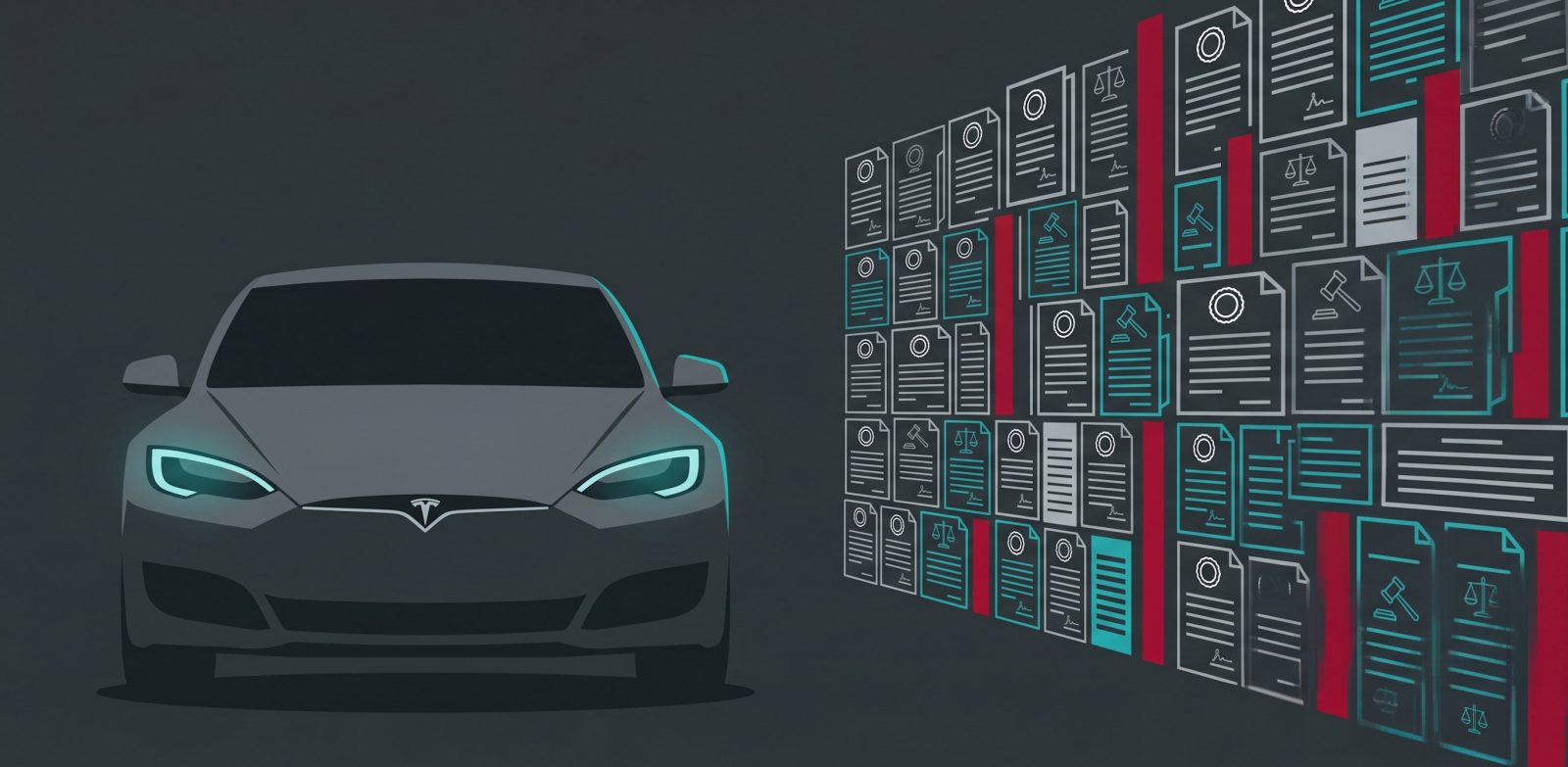
The electric vehicle industry is no stranger to volatility, but the storm currently brewing over Tesla Headquarters is of a different magnitude entirely. Reports indicate that the EV pioneer is currently navigating more than 20 active litigation fronts, a legal minefield that spans continents and jurisdictions. The financial stakes are nothing short of catastrophic, with total potential exposure reaching as high as $14.5 billion. This is not just a series of minor disputes; it is a fundamental challenge to the way Tesla conducts its business, markets its technology, and treats its workforce in an increasingly skeptical global market.
For years, Tesla and its CEO, Elon Musk, have operated under a shield of perceived invincibility, fueled by skyrocketing stock prices and a cult-like following. However, the current wave of lawsuits suggests that the shield has finally shattered. The litigation ranges from high-profile wrongful death suits involving the Autopilot system to complex securities fraud cases and disturbing allegations of racial discrimination within its manufacturing facilities. As the company’s stock remains sensitive to every headline, the specter of a multi-billion dollar payout is haunting investors and industry analysts alike. The situation is not merely stabilizing; it is accelerating into a full-blown corporate crisis.
The Autopilot Paradox: Safety Claims Under Scrutiny
At the heart of Tesla’s legal woes is the controversial Autopilot and Full Self-Driving (FSD) technology. These cases strike at the very core of Tesla’s identity as a tech innovator. Families of victims argue that Tesla’s branding of ‘Autopilot’ and ‘Full Self-Driving’ misled users into believing the cars were more capable than they actually were. This ‘marketing vs. reality’ gap is now being litigated in courtrooms, where plaintiffs are presenting evidence that Tesla was aware of system limitations but failed to implement adequate safeguards. The financial liability here is massive, not just in terms of direct settlements, but in the potential for court-ordered recalls or permanent bans on the software altogether.
Furthermore, the ‘corporate puffery’ defense strategy—a legal argument suggesting that Musk’s tweets and public statements were merely promotional hyperbole rather than factual guarantees—is being tested like never before. Judges are increasingly skeptical of the idea that a multi-billion dollar company can hide behind ‘puffery’ when the products in question involve human life and safety. If this defense continues to crumble, Tesla could find itself vulnerable to even more consumer protection lawsuits across the globe. The precedent set by these cases could reshape how every automotive company markets autonomous features for decades to come.
Securities Fraud and the ‘Hardcore’ Legal Backfire
In addition to safety concerns, Tesla is embroiled in a series of securities fraud cases that threaten its market capitalization. These suits allege that the company and its leadership made misleading statements about production targets, battery capabilities, and the true progress of their autonomous software to artificially inflate stock prices. Shareholders who feel burned by the subsequent volatility are seeking restitution, adding billions more to the total exposure. This financial pressure is being exacerbated by the company’s internal shifts; the ‘hardcore litigation department’ Musk envisioned has seen significant turnover and is currently struggling to stem the tide of incoming filings. Instead of intimidating opponents, the aggressive stance seems to have emboldened them.
Beyond the financial numbers, there is a human cost being litigated in cases of racial discrimination and toxic workplace culture. Allegations from the Fremont factory have led to significant legal battles, with former employees describing a hostile environment that management allegedly ignored. These cases not only carry hefty price tags but also cause irreparable damage to Tesla’s brand image as a progressive, future-forward employer. You can read more about the detailed breakdown of these lawsuits to understand the granular details of the exposure. The cumulative effect of these cases suggests that the ‘hardcore’ approach may be reaching its limit.
As we look toward the remainder of the year, the situation for Tesla is moving toward a boiling point. The legal docket for the upcoming months is packed with trials that could define the company’s future. If even a fraction of these cases result in maximum penalties, the $14.5 billion estimate might actually be conservative. The world is watching to see if the ‘hardcore’ approach can survive a reality where the legal system finally catches up to the speed of Silicon Valley disruption. For Tesla, the road ahead is no longer just about engineering and manufacturing; it is about surviving the most expensive legal war in automotive history. The stakes have never been higher, and the danger for the EV giant has never been more real.