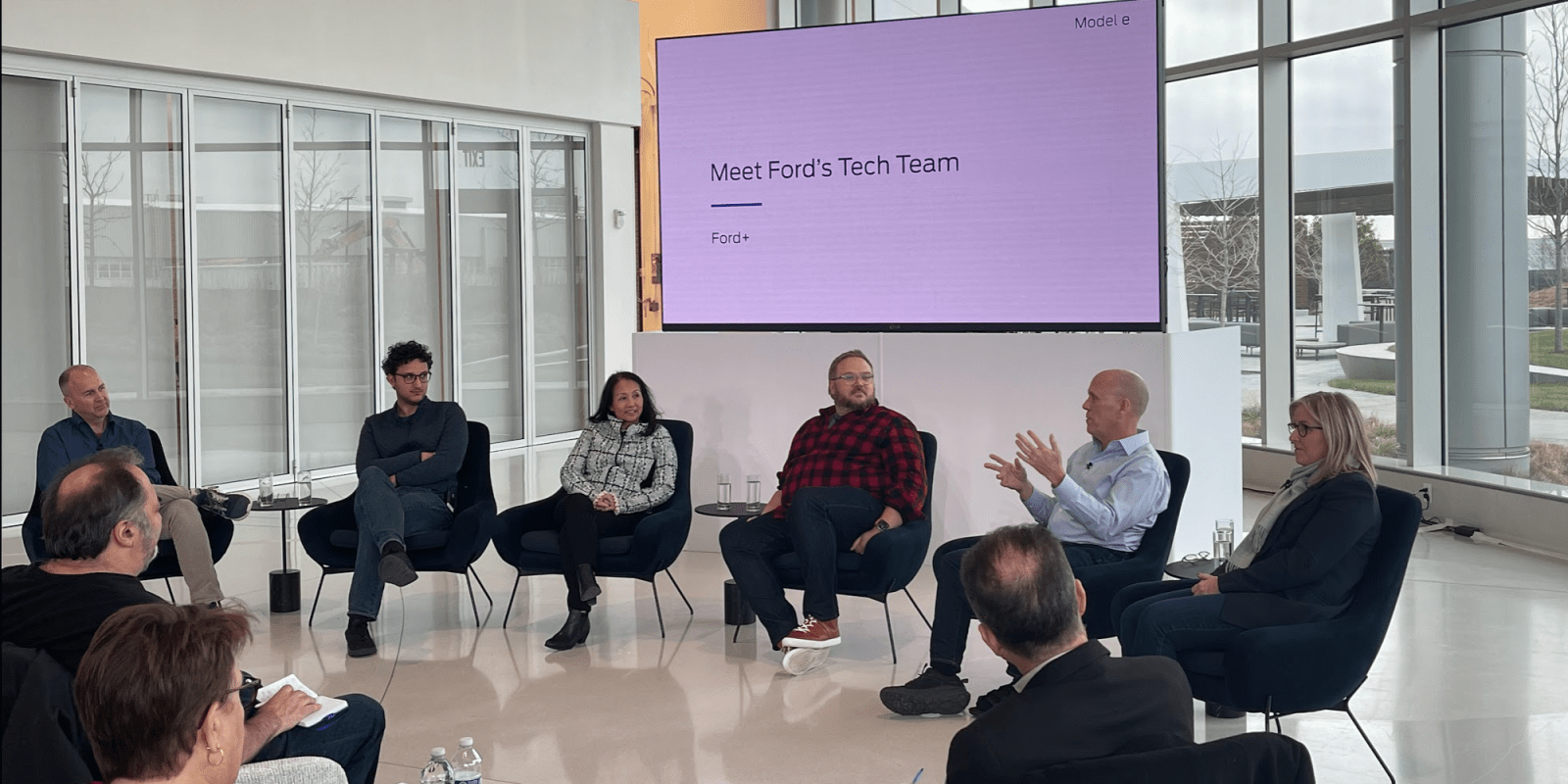
In a move that has sent shockwaves through the automotive and tech sectors, Ford Motor Company has announced a massive restructuring of its standalone electric vehicle operations. The news comes alongside the sudden departure of Doug Field, the visionary executive who was handpicked from the tech world to lead Ford into a software-defined future. Field, who previously held high-ranking roles at both Apple and Tesla, has been the face of Ford’s ambitious ‘Model e’ division. His exit signals a pivot that many industry insiders are calling a ‘retreat’ from the Silicon Valley-style independence that Ford once championed.
The End of the Independent EV Dream?
For the last few years, Ford has operated its electric vehicle business as a distinct entity, attempting to replicate the agile, software-first culture of companies like Tesla. Doug Field was the architect of this strategy, serving as the Chief EV, Digital, and Design Officer. Under his leadership, Ford aimed to redefine what a car could be—moving away from traditional mechanical engineering toward a future defined by over-the-air updates, autonomous features, and high-tech user interfaces. However, the dream of a standalone EV powerhouse within the Blue Oval appears to be shifting. Ford confirmed that Field will leave the company next month after a five-year tenure, leaving a massive vacuum in the executive suite.
Reshuffling the Deck: Industrialization Over Innovation?
Rather than seeking a new high-profile hire from the tech industry to replace Field, Ford is folding its EV, digital, and design groups into its global manufacturing operations. This new consolidated unit, titled ‘Product Creation and Industrialization,’ will be led by Chief Operating Officer Kumar Galhotra. This transition suggests a fundamental change in philosophy. While Field focused on the ‘digital’ and ‘design’ aspects of the electric revolution, Galhotra’s background is rooted in the hard realities of global manufacturing and scale. This shift indicates that Ford is prioritizing efficiency, cost-cutting, and mass production over the experimental, high-risk software development that Field championed. Critics argue that this move could stifle the innovation needed to compete with aggressive Chinese EV manufacturers and Tesla’s market dominance.
The Financial Pressure of the EV Transition
The restructuring comes at a time of significant financial pressure for Ford’s electric vehicle ventures. While the F-150 Lightning and Mustang Mach-E have seen moments of popularity, the ‘Model e’ division has faced staggering losses, often cited in the billions. The decision to integrate these groups into the broader industrial pipeline likely reflects a need to stabilize the balance sheet. By merging EV development with traditional manufacturing, Ford may be looking to leverage its existing infrastructure more effectively, though many fear this will lead to a ‘legacy’ mindset that could hinder long-term growth. The industry is watching closely as Ford attempts to balance the high costs of electrification with the demands of its shareholders. As reported by official Ford announcements, the company remains committed to its electric future, but the roadmap has clearly been redrawn. The departure of Doug Field marks the end of an era for Ford—an era where the company tried to be a tech firm first and a car company second. Now, it seems the engineers and factory bosses are back in the driver’s seat. Whether this pragmatic approach will lead to a more sustainable business model or cause Ford to fall behind in the global software race remains to be seen. One thing is certain: the ‘Gold Rush’ mentality of independent EV units is facing a harsh reality check in Detroit.
The automotive landscape is changing faster than ever, and Ford’s recent moves prove that no strategy is set in stone. As the company prepares for a post-Field world, the focus will undoubtedly turn to how Galhotra manages to blend the high-tech requirements of modern EVs with the gritty demands of global industrialization. For now, the ‘Model e’ experiment as we knew it is over, replaced by a more unified—and perhaps more traditional—corporate structure.