The Hidden Truth Behind Tesla’s Q1 Numbers
The global electric vehicle landscape is currently reeling from a bombshell report that threatens to dismantle the narrative of Tesla’s unstoppable growth. While mainstream media headlines have been painting a rosy picture of the manufacturer’s performance in the East, a deep dive into the raw data reveals a terrifying reality for Elon Musk’s empire. In the first quarter of 2026, Tesla’s actual retail sales in China crashed by a staggering 16% year-over-year. Even more alarming is the data from March alone, which shows a catastrophic 24% plunge in consumer demand. This is not just a minor fluctuation; it is a full-blown crisis in Tesla’s most critical expansion market.
For months, analysts have warned that the honeymoon period for Western EV brands in China might be coming to an end, but few expected the decline to be this sharp or this sudden. The discrepancy between the public perception of Tesla’s success and the reality on the ground is reaching a breaking point. As investors scramble to understand how the numbers could be so misleading, the focus shifts to the smoke and mirrors used to bolster quarterly reports. The ‘growth’ that many celebrated appears to be nothing more than a statistical illusion designed to keep stock prices afloat while the core business in China faces an unprecedented retreat.
Wholesale vs. Retail: How the Public Was Fooled
The primary reason for the widespread confusion regarding Tesla’s performance lies in the fundamental difference between wholesale and retail figures. When media outlets reported that Tesla’s numbers were ‘up’ for the quarter, they were almost exclusively looking at wholesale data. These figures represent every vehicle that rolls off the assembly line at Giga Shanghai. However, a massive portion of these vehicles are no longer being sold to Chinese consumers. Instead, they are being exported to international markets to compensate for the drying up of domestic demand. By counting exports as ‘sales’ in the context of the Chinese market, many analysts failed to see the rot at the core of the retail sector.
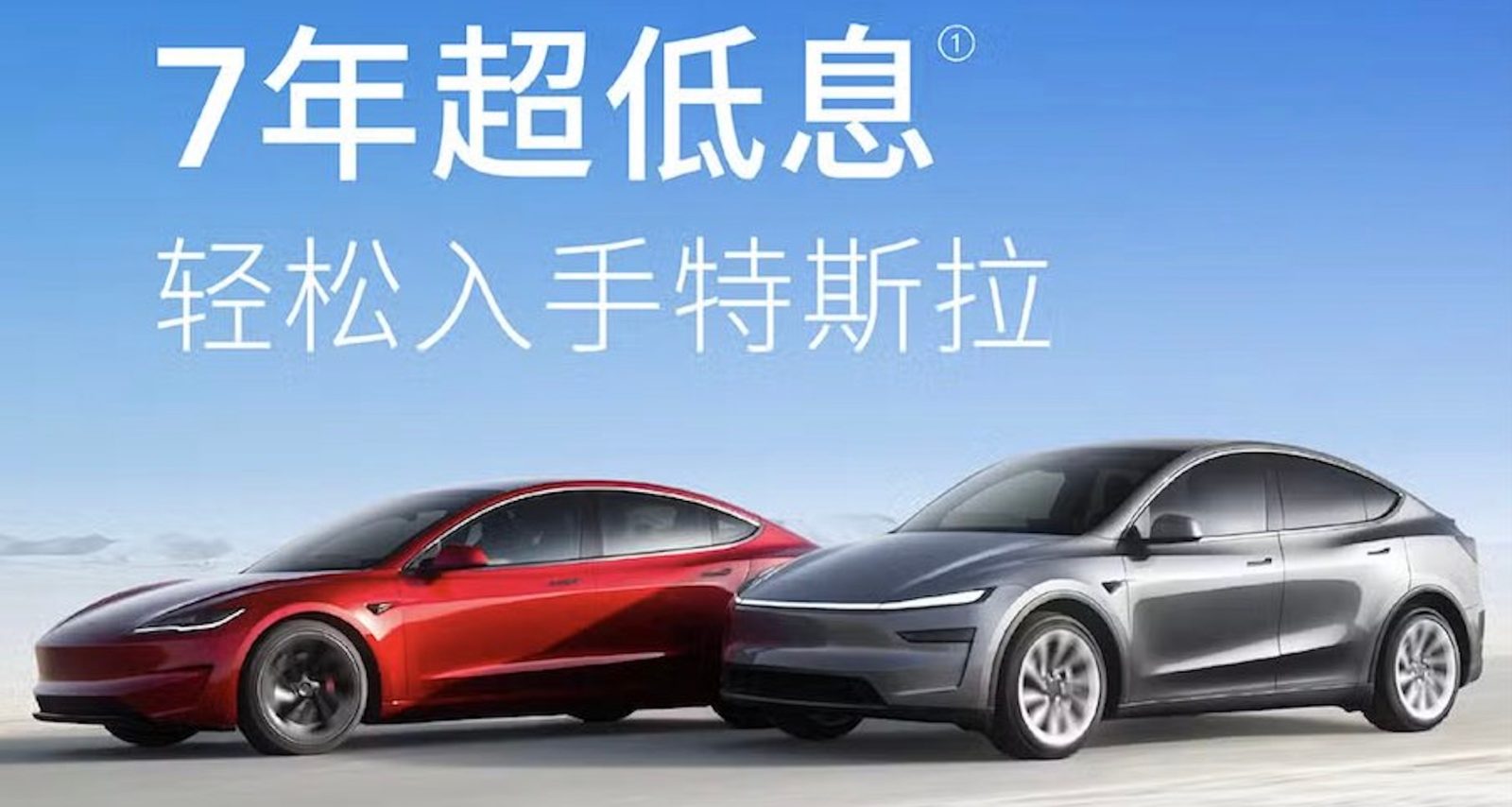
Retail sales are the only true metric of a brand’s health within a specific territory, and for Tesla, that health is in rapid decline. When local demand falls by nearly a quarter in a single month, it suggests that the brand is losing its competitive edge against a tidal wave of local innovation. You can find further context on this shift in global financial reports that track EV market shares. The export strategy may keep the factory lines moving for now, but it is a temporary bandage on a deep wound. Without a robust domestic appetite for its vehicles, the long-term sustainability of Tesla’s massive investment in China remains in serious jeopardy.
The Looming Threat of Local Chinese Competitors
The crash in Tesla’s retail sales isn’t happening in a vacuum; it is being driven by an aggressive and highly sophisticated local industry. Chinese domestic brands like BYD, NIO, and Xiaomi are no longer just ‘budget’ alternatives. They are now leading the world in battery technology, software integration, and interior luxury. For many Chinese consumers, a Tesla Model 3 now feels like a relic of the past compared to the high-tech, ecosystem-integrated offerings from homegrown champions. The status symbol that once came with owning a Tesla is evaporating, replaced by a sense of national pride in supporting domestic innovation.
Furthermore, the persistent price wars that Tesla initiated to maintain volume have backfired spectacularly. Instead of stimulating long-term demand, these constant price cuts have alienated existing owners and made potential buyers hesitant, as they wait for the next inevitable drop in value. This psychological shift, combined with a tightening economy, has created a perfect storm. If Tesla cannot reinvent its lineup and branding within the next year, the 24% drop seen in March may be remembered as the beginning of the end for its dominance in Asia. The company is now in a race against time to prove it can still compete in the very market that once promised to fuel its future.
- Retail sales in China plummeted 16% year-over-year in Q1 2026.
- March data shows a devastating 24% collapse in consumer demand.
- Misleading wholesale figures include exports, masking the domestic retail crash.
- Giga Shanghai is increasingly being used as an export hub rather than a domestic supplier.
- Local competitors are successfully eroding Tesla’s market share with superior tech.
As the dust settles on Q1, the narrative surrounding Tesla’s global strategy must be re-evaluated. Relying on manufacturing volume to mask a lack of consumer demand is a dangerous game that cannot be played forever. The Chinese market is speaking, and right now, it is telling Tesla that its current approach is no longer enough. For Elon Musk, the challenge is clear: innovate or be left behind in the world’s most competitive automotive arena.