The End of the Hemi: Why Stellantis Is Pivoting Toward Sanity
The roar of the Hemi V8 has long been the heartbeat of the American road, but that heartbeat is becoming an expensive arrhythmia for Stellantis. For years, the company has leaned into a specific demographic of ‘meathead’ consumers—those obsessed with shredding tires and burning fossil fuels at an alarming rate. However, the market is shifting, and the ‘toxic’ association with gas-guzzling muscle cars is beginning to stall sales in an era where efficiency is king. Stellantis’ US operations are in desperate need of a total brand overhaul to survive the coming decade.
The automotive giant is currently facing a crisis of identity. While brands like Dodge and Ram have built their reputations on power, they have simultaneously alienated the growing demographic of young, eco-conscious, and budget-strapped buyers. The solution isn’t another 800-horsepower monster that costs $90,000; it is a return to the basics. The industry is buzzing with the news that Stellantis might finally have the answer to its prayers, and it comes in a compact, electrified package that could retail for as little as $10,000 to $20,000.
The $10,000 Revolution: Meet the Leapmotor A10
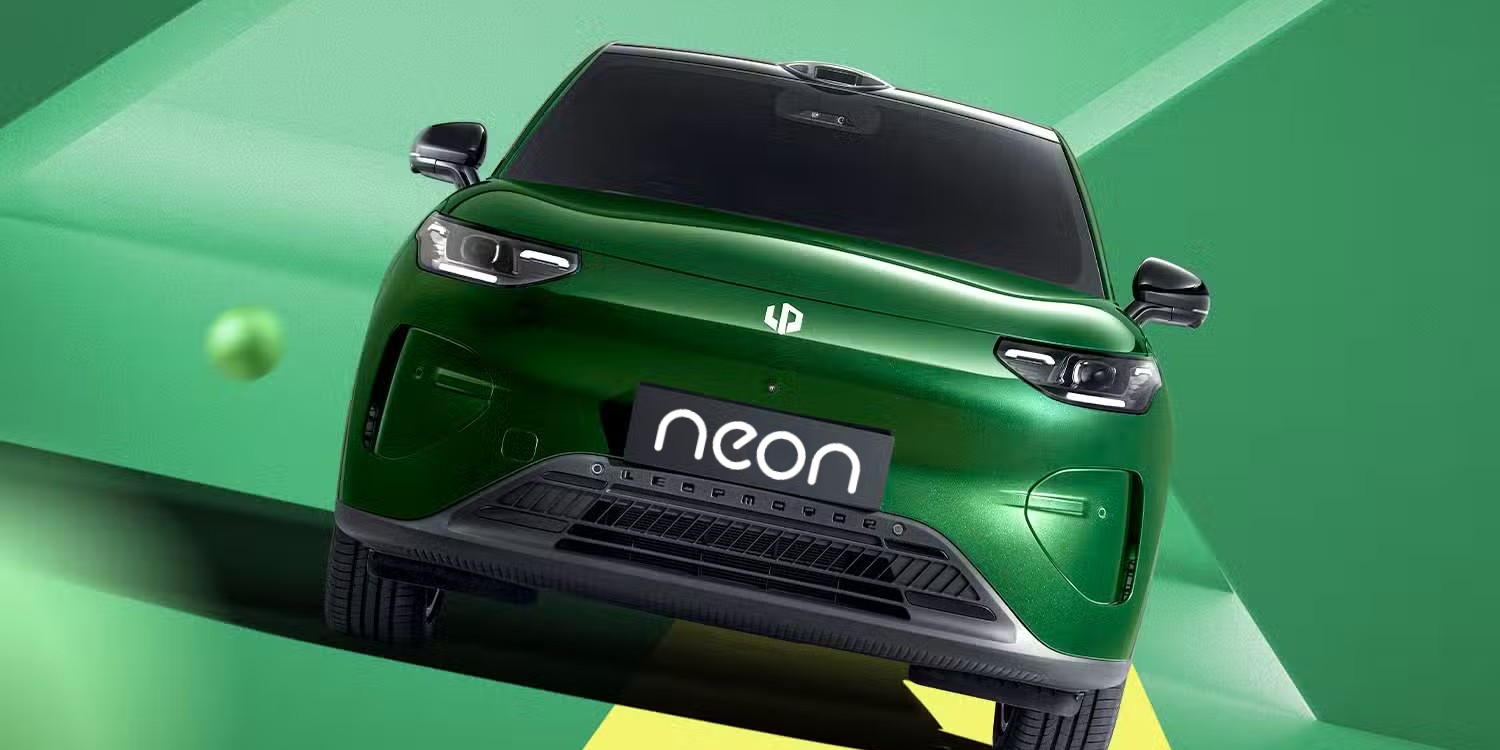
Enter the Leapmotor A10. Through a strategic partnership with Chinese EV innovator Leapmotor, Stellantis is looking to import a vehicle that could serve as the spiritual successor to the iconic Dodge Neon. The original Neon was a hit because it was ‘zippy,’ unpretentious, and, most importantly, affordable. The A10 promises to recapture that magic for the electric age. With a simplified, modern interior and a footprint perfect for urban environments, it represents a radical departure from the bloated SUVs currently sitting unsold on dealer lots.
This isn’t just a niche experiment. The A10 is part of a broader strategy by Stellantis to leverage global partnerships to fill the massive gaps in its North American lineup. According to industry insiders at Stellantis, the goal is to provide a ‘barrier-free’ entry point into the EV market. By keeping the price point low—potentially undercutting every other electric vehicle currently sold in the United States—Dodge could reinvent itself as the champion of the common driver once again.
Why Dealers are Begging for a New-Age Neon
Dealers across the country are currently struggling with high interest rates and an inventory of vehicles that the average American family simply cannot afford. The ‘meathead’ era of car sales relied on cheap debt and cheap gas, both of which are increasingly hard to find. A $20,000 electric Neon would provide a ‘hook’ that brings first-time buyers and young professionals back into showrooms. These are the consumers who want technology and sustainability without the ‘shredding tires’ baggage.
Furthermore, the A10 offers a chance to fix the PR disasters of the past. Recent recalls for electric vehicles with ‘fake engine noises’ have made the brand look desperate to cling to its internal combustion roots. By embracing a ‘simple and unpretentious’ design philosophy, the new-age Neon can bypass the gimmicks and focus on what really matters: reliable, affordable transportation. If Stellantis can successfully navigate the political and logistical hurdles of bringing the Leapmotor platform to the US, they won’t just be saving their sales figures—they’ll be saving the brand from irrelevance. The Neon was the car that invited you to ‘Hi,’ and its electric reincarnation might be the car that says ‘Goodbye’ to the toxic V8 era forever.
- Affordable $10,000-$20,000 price point
- Zippy electric performance for city driving
- Unpretentious, modern interior design
- Strategic Leapmotor partnership for rapid deployment