
The Terrifying Reality of Chevy Equinox EV Auto-Braking
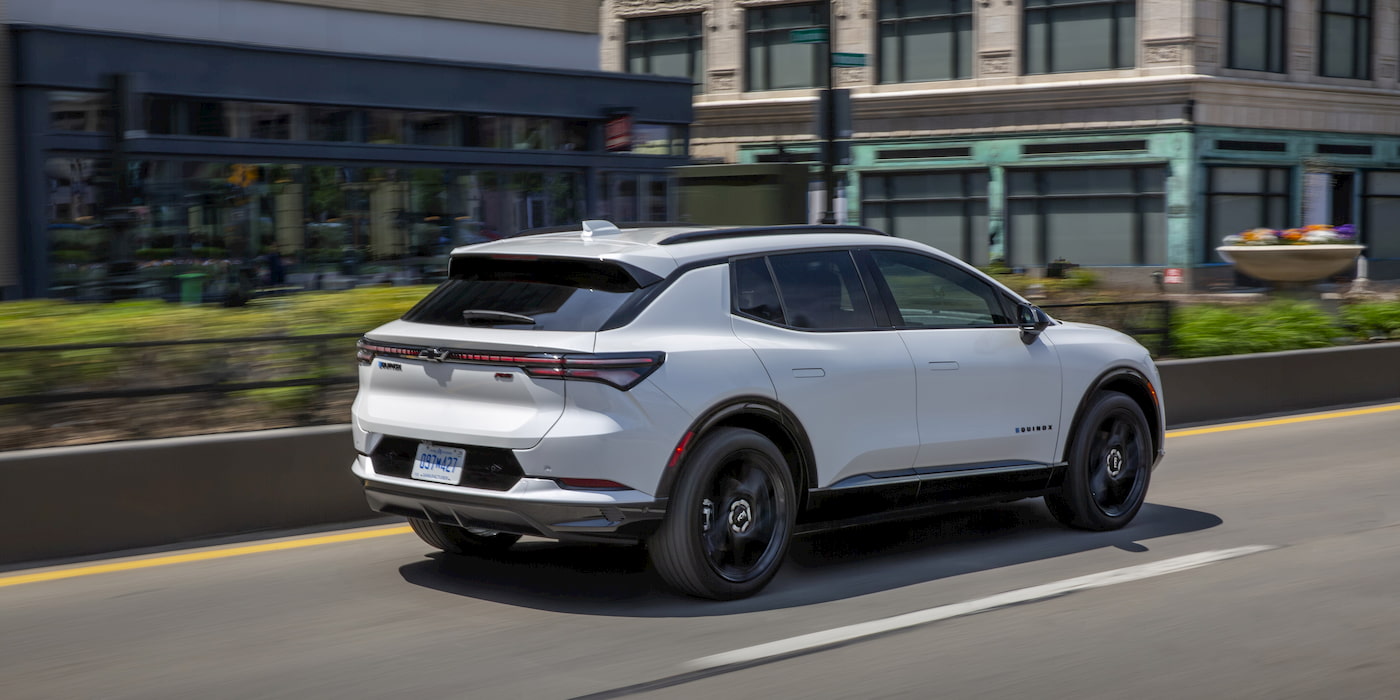
The Chevrolet Equinox EV has been hailed as a triumph for General Motors, bringing long-range electric mobility to the masses at an affordable price point. However, beneath its sleek exterior and high-tech cabin lies a system that some owners are beginning to fear. A recent report from a Chevy Equinox EV driver has sent shockwaves through the electric vehicle community after a routine parking maneuver turned into a painful physical ordeal. The driver claimed that the vehicle’s automatic braking system ‘damn near’ gave them whiplash while they were simply trying to back into their garage.
This incident highlights a growing concern in the automotive world: the unintended consequences of advanced driver-assistance systems (ADAS). While automatic emergency braking (AEB) is designed to prevent collisions and save lives, its sensitivity in certain environments, such as tight garages or near reflective surfaces, can trigger ‘phantom’ activations. In this case, the driver was simply trying to park as they do every single day, but the car’s high-tech sensors perceived an imminent threat that simply was not there. The result was a violent, jarring halt that left the driver reeling and questioning the safety of their brand-new investment.
Phantom Braking: When Safety Features Turn Dangerous
Phantom braking is not a new phenomenon in the world of modern motoring, but as vehicles become more reliant on complex software and sensor suites, the frequency and severity of these incidents appear to be on the rise. For the Chevy Equinox EV, the integration of rear cross-traffic alert and reverse automatic braking is intended to be a vital fail-safe for distracted drivers. However, when the system misinterprets a shadow, a slight incline, or even a stray blade of grass as a solid object, the results can be physically damaging to the occupants.
The physical impact of a sudden stop from even low speeds—often less than five miles per hour—can be shockingly significant. Whiplash occurs when the head is suddenly jerked forward and then back, causing strain to the delicate neck muscles and ligaments. Because the driver in this incident was not expecting the vehicle to stop, they were unable to brace themselves, magnifying the potential for injury. This raises serious questions about the current calibration of these safety systems. Are manufacturers like General Motors prioritizing a ‘better safe than sorry’ programming logic at the expense of driver comfort and physical well-being? Experts suggest that if the threshold for activation is too low, the car becomes a liability rather than a helper.
Owner Outrage and the Future of GM Safety Tech
Social media and owner forums are increasingly filled with stories of EV owners battling their own cars. The Chevy Equinox EV driver’s experience is just the tip of the iceberg in a sea of technological frustration. Many fear that as we move toward full autonomy, we are losing control over the most basic functions of our vehicles. If a car can decide to slam on the brakes without warning in a quiet driveway, what happens when it makes a similar mistake at highway speeds? The trust between man and machine is beginning to fray at the edges.
General Motors has pushed the Equinox EV as a cornerstone of their electric future, but issues like these could sour public perception. Reliability isn’t just about whether the battery lasts for 300 miles; it’s about whether the car behaves predictably under normal operation. Drivers need to feel in command of their machines, not at the mercy of a glitchy sensor or an over-aggressive algorithm. For more information on vehicle safety standards and consumer reports, you can visit the National Highway Traffic Safety Administration to see how these systems are regulated and reported.
As the industry moves forward, over-the-air (OTA) software updates may provide a temporary fix. Manufacturers can theoretically tweak the sensitivity of sensors to ensure they aren’t triggered by non-threatening objects. However, until these systems are perfected, Chevy Equinox EV owners might want to keep a close eye on their settings menu. Many are choosing to disable certain ‘active’ safety features until a permanent solution is found, highlighting a total breakdown in the value proposition of these expensive safety suites. For now, it seems the price of modern safety might just be a sore neck.
- Automatic braking systems are designed to detect invisible threats.
- Phantom braking occurs when sensors misinterpret the environment.
- Drivers are reporting physical injuries from sudden vehicle stops.
- Software calibration remains a major challenge for EV manufacturers.