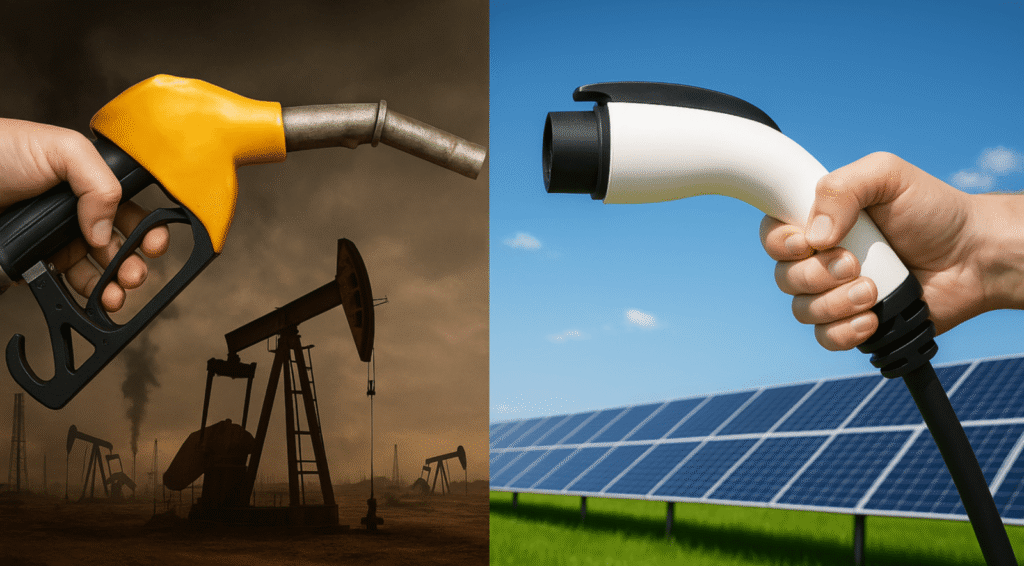
While American politicians remain hopelessly deadlocked over charging stations and fuel standards, a silent revolution is erupting across the African continent. The global landscape of transportation is undergoing a seismic shift, and the epicentre isn’t Detroit or Silicon Valley—it is Addis Ababa and the mineral-rich heartlands of the Copperbelt. While the US is stuck in a cycle of flip-flopping on environmental policy, African nations are making bold, aggressive moves that are effectively ending the era of the internal combustion engine (ICE) before the West even realizes what is happening.
The Shocking Ban on Internal Combustion Engines
In a move that has sent shockwaves through the global automotive industry, Ethiopia has officially become the first nation on Earth to ban the import of non-electric passenger vehicles. This isn’t just a minor regulation; it is a total paradigm shift. The Ethiopian government, weary of spending billions of dollars in precious foreign currency on oil imports, has realized that their future depends on the massive hydroelectric power they are already generating. By cutting off the supply of gasoline vehicles, they are forcing a rapid-fire evolution that makes the American transition look like a snail’s pace crawl.
The logic is as pragmatic as it is revolutionary. For many developing nations, the transition to electric vehicles (EVs) isn’t just an environmental choice—it is a matter of national economic survival. By removing the dependency on fossil fuels, these nations are insulating their economies from the volatile global oil market. This bold policy shift is a stark contrast to the United States, where subsidies and mandates are often met with endless litigation and political rollbacks. In Africa, the necessity of energy independence is driving a faster adoption curve that is leaving traditional markets in the dust.
Ethiopia Leads the Global Charge
The Ethiopian model serves as a terrifyingly efficient blueprint for the ‘leapfrog’ effect. Just as many African nations skipped the landline era and went straight to mobile phones, they are now skipping the late-stage gasoline era in favor of total electrification. The government’s stance has forced local importers to pivot overnight, creating a vacuum that is rapidly being filled by affordable electric models from international partners. While American consumers are still plagued by range anxiety and high sticker prices, Ethiopian drivers are looking at the massive savings in fuel costs and maintenance as a way to build personal wealth.
- Complete elimination of foreign oil dependency for passenger transit.
- Massive reduction in urban noise and toxic air pollution.
- Rapid deployment of decentralized, solar-powered charging networks.
- Direct economic pressure on Western manufacturers to adapt or die.
Mining the Future with Heavy Electric Machinery
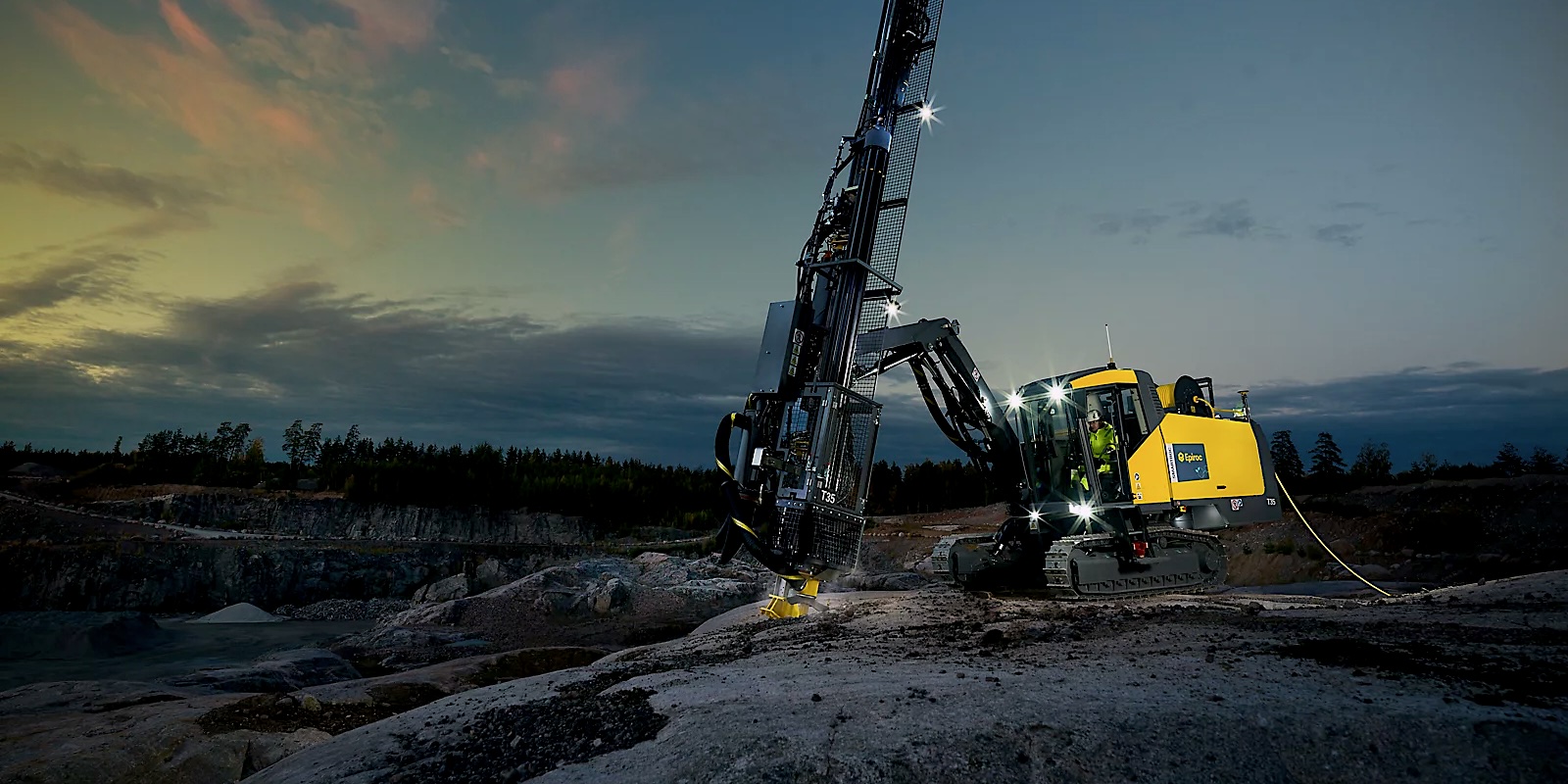
Beyond personal transport, the heavy industry sector is seeing an even more intense transformation. The mining sector, particularly in Southern Africa, is becoming a testing ground for the world’s most advanced electric heavy machinery. Global leaders like Epiroc are now deploying battery-electric drills and loaders into mines that were previously dominated by diesel-spewing giants. These machines are not just cleaner; they are more efficient, more powerful, and significantly safer for underground workers who no longer have to breathe in toxic exhaust fumes.
The electrification of these mines is a logical step because the very minerals required for the world’s EV batteries—lithium, cobalt, and manganese—are being extracted right here. There is a profound irony in the fact that electric machinery is being used to dig up the components that will power the global transition, while the US remains hesitant to fully commit. These operations are proving that if you can run a multi-ton drill rig on battery power in a remote African mine, the excuses for not electrifying a suburban commuter car are rapidly evaporating. According to the International Energy Agency, the transition to renewable energy sources in Africa could fundamentally rewrite the continent’s economic trajectory over the next decade.
The narrative that Africa is waiting for the West to lead is officially dead. Whether it is the bold legislation in Ethiopia or the high-tech drills in the mines, the continent is charging ahead with a sense of urgency that is sorely lacking in North America. The US may still be debating the merits of EVs, but Africa has already decided: the future is electric, and it’s happening right now.