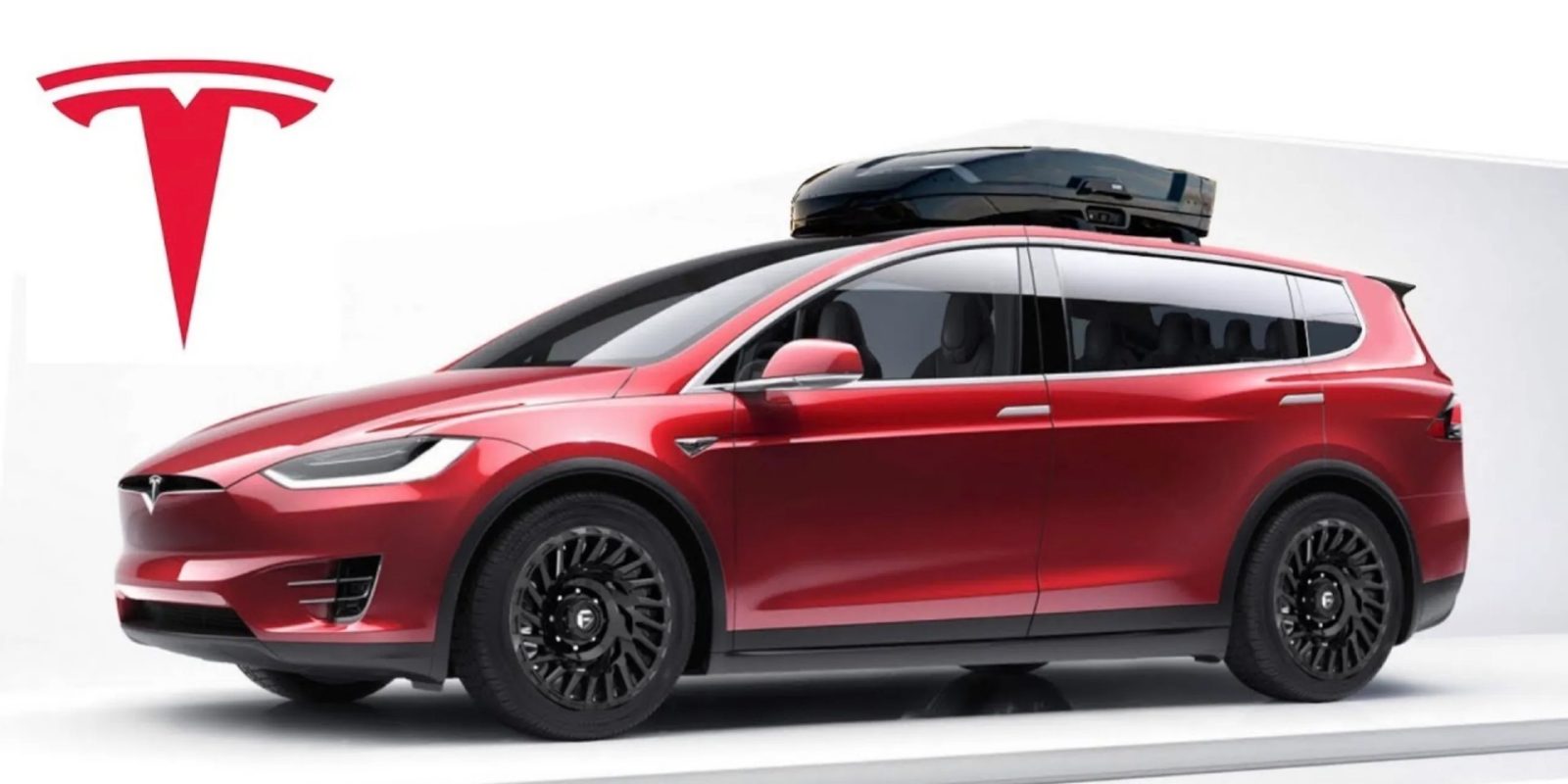
The automotive landscape is shifting at a breakneck pace, and for the first time in a decade, the king of the electric hill appears to be stumbling. In a bombshell revelation on the latest episode of Quick Charge, the industry was rocked by the news that Elon Musk is finally teasing a dedicated Tesla electric van—a vehicle that critics and enthusiasts alike argue is at least ten years overdue. As the visionary leader attempts to pivot the company’s narrative toward a new utility platform, the reality on the ground is far grimmer than the shiny renderings suggest. With Tesla sales beginning to tumble in key markets and the much-hyped Robotaxi fleet appearing to be a ghost in the machine, the stakes have never been higher for the Austin-based automaker.
The Great Tesla Van Reveal: Too Little, Too Late?
For years, the ‘Tesla Master Plan’ has alluded to a future where high-density urban transport would be handled by autonomous electric vehicles. However, while we have seen the Cybertruck finally hit the streets, the professional and commercial sectors have been left wanting. Musk’s recent tease of a van-tastic people-hauler comes at a moment of extreme vulnerability for the company. The market for commercial electric vans is no longer the open field it once was; legacy giants like Ford and specialized startups like Rivian have already established a massive foothold. The question on every investor’s mind is whether Tesla can innovate its way out of a decade-long delay or if this is simply another distraction from the company’s cooling delivery numbers.
Sensational as it may sound, the data suggests that Tesla’s dominance is being eroded from both ends of the spectrum. On one side, the high-end luxury market is saturated, and on the other, the demand for practical, multi-passenger utility vehicles is being met by everyone except Tesla. This new van project, while exciting, faces the monumental task of entering a matured market where infrastructure and fleet management software are already standardized. If Tesla cannot deliver a vehicle that significantly undercuts the competition in price while doubling down on range, this ‘van-tastic’ dream might quickly turn into a nightmare for the balance sheet.
The Robotaxi Ghost Town in California
Perhaps even more shocking than the late arrival of the van is the recent report from California regulators regarding the state of autonomous ride-hailing. Despite years of promises from Elon Musk that a fleet of a million Robotaxis would be on the road by now, the California DMV has confirmed a staggering statistic: there are currently zero Tesla Robotaxis operating in a commercial capacity on public roads. While competitors like Waymo have successfully integrated into the urban fabric of San Francisco and Los Angeles, Tesla remains stuck in a perpetual cycle of ‘Full Self-Driving’ beta testing. This discrepancy between the CEO’s public rhetoric and the cold, hard regulatory data is creating a crisis of confidence among tech analysts who once viewed Tesla as an AI-first company.
The Chinese Invasion: BYD and the Battle for Europe
While Tesla struggles with regulatory hurdles in the United States, a much larger threat is manifesting in the European Union. The latest sales figures indicate that Chinese EV manufacturers, led by the juggernaut BYD, are not just competing—they are winning. These brands have managed to scale production at a rate that allows them to offer high-quality electric vehicles at a fraction of the price of a Model 3 or Model Y. In Europe, where small, efficient, and affordable cars are the lifeblood of the economy, Tesla’s premium pricing strategy is starting to fail. The surge of Chinese exports into the Eurozone has prompted political tension and talks of tariffs, but for the average consumer, the choice is clear: the most affordable tech is coming from the East.
- Tesla’s quarterly delivery numbers have shown a worrying downward trend in major European hubs.
- The lack of a sub-$25,000 model has left the door wide open for Chinese competitors to capture the mass market.
- California’s zero-Robotaxi report undermines the valuation of Tesla as a robotics company.
- The upcoming electric van will require a massive overhaul of Tesla’s current production lines, potentially leading to further delays.
As we look toward the fiscal finish line of the year, it is evident that the ‘Musk Magic’ is being tested like never before. The tease of a van might spark a momentary rally in share price, but the structural issues—declining market share in Europe and the lack of truly autonomous vehicles in California—cannot be solved by a teaser alone. The automotive world is no longer waiting for Tesla to lead; it is actively moving past it. Whether the company can recapture its lightning in a bottle remains the most expensive question in the tech world today.