
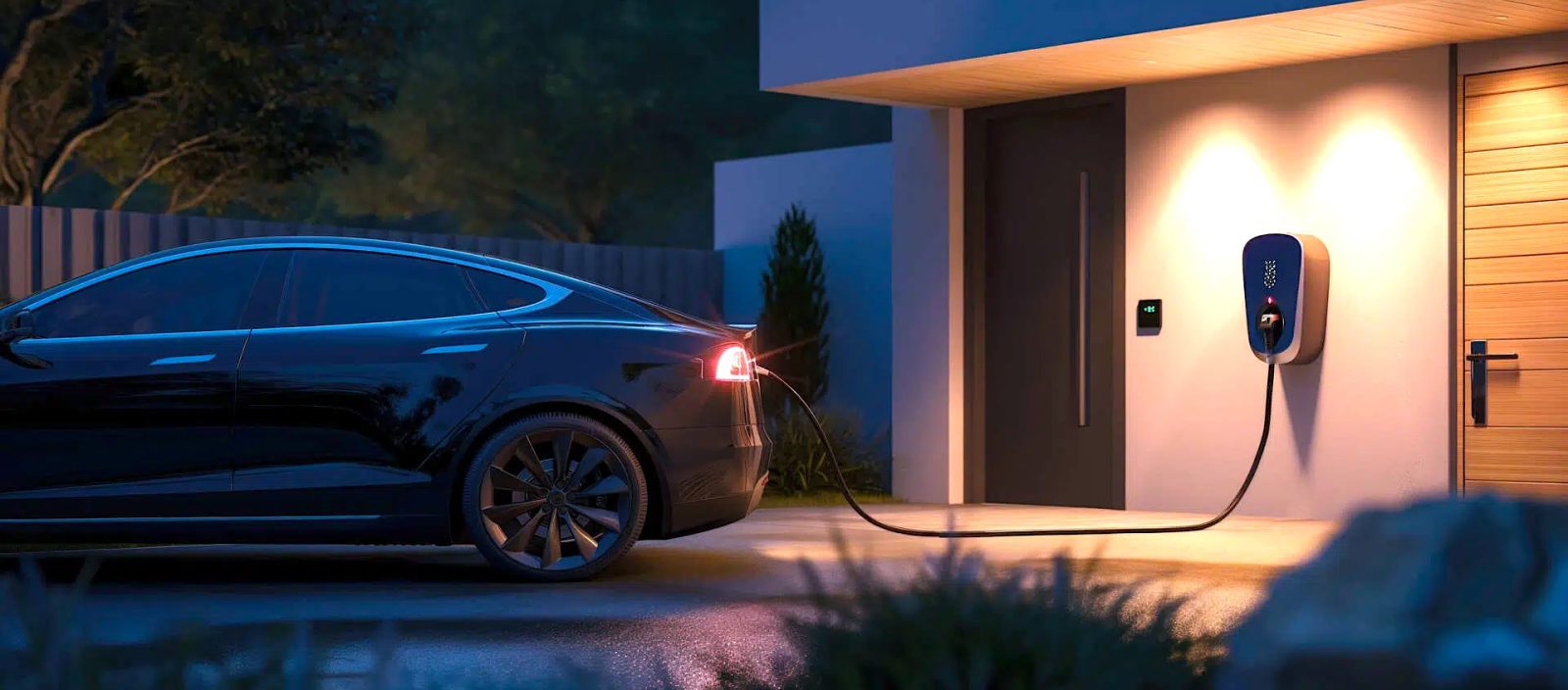
The electric vehicle revolution was supposed to be a dream for your wallet, but for thousands of remote and mobile workers, it is turning into a financial nightmare. You bought the car, you did the right thing for the environment, and you are using it to drive company business. But there is a silent thief in your garage: your utility bill. If you are plugging in at home but driving for work, you are effectively giving your employer a free ride while your own bank account takes a hit from rising electricity rates. How do you stop the bleeding and track every single cent of that home-charging cost? The answer is more complex—and more urgent—than you think.
The Shocking Reality of Home EV Charging Reimbursement
For decades, the standard was simple: the company gas card. You went to the pump, swiped the plastic, and the company paid. But as internal combustion engines die out, the paradigm has shifted to your own private residence. Many employees are currently subsidizing their companies’ bottom lines because they fail to accurately track the ‘fuel’ they provide from their home sockets. Without a precise record, you are likely missing out on hundreds, if not thousands, of dollars in annual tax deductions or direct reimbursements. Most companies are still operating on archaic systems that don’t account for the volatility of local kilowatt-hour (kWh) pricing. If you aren’t tracking, you are losing.
The Nightmare of Mixed-Use Utility Bills
The primary hurdle in getting your money back is the lack of granularity in standard home utility bills. Your local power company doesn’t differentiate between the energy used to toast your sourdough and the massive surge required to top off a 100kWh battery pack in your Ford F-150 Lightning. This ‘energy blur’ makes it impossible to simply hand over a bill and ask for a percentage back. To get paid, you need a forensic level of detail that standard meters simply do not provide. Many drivers try to estimate based on mileage, but with fluctuating energy rates and charging loss, estimates often fall short of the actual cost, leaving you holding the bag for the difference. This is why a simple spreadsheet is no longer enough to satisfy a skeptical accounting department or an IRS auditor.
Smart Solutions to Capture Every Penny
The good news is that technology is catching up to this corporate theft. The most reliable way to secure your reimbursement is through smart charging hardware or dedicated software integrations. High-end chargers like those from Qmerit and other industry leaders now offer built-in sub-metering capabilities. These devices act as a second utility meter, specifically logging every electron that flows into your vehicle. Furthermore, software platforms are emerging that sync directly with your vehicle’s API to pull real-time charging data, which can then be cross-referenced with your local utility rates to provide a ‘penny-perfect’ report for your employer.
- Install a smart Level 2 charger that logs energy usage by session.
- Use telematics-based software that tracks the GPS location of every charge.
- Maintain a dedicated log of local peak and off-peak utility rates to maximize reimbursement accuracy.
- Negotiate a flat-rate monthly stipend if your mileage is consistent, but ensure it covers the highest possible rate.
Stop letting your company profit off your personal home infrastructure. In a world where every dollar counts, tracking your home charging costs isn’t just a good habit—it’s a financial necessity for the modern worker. If you don’t take charge of your data, no one else will do it for you.