
The Shocking Truth About the Driver Shortage
For decades, the trucking industry has been sounding the alarm. An aging workforce, grueling conditions, and a lack of interest from younger generations have threatened to bring the global supply chain to a grinding halt. But a revolution is quietly taking place on the highways, and it is powered not by diesel, but by electricity. Benore Logistics, a leader in freight solutions, has discovered a ‘secret weapon’ that is doing the impossible: making trucking cool again for Gen Z and Millennials.
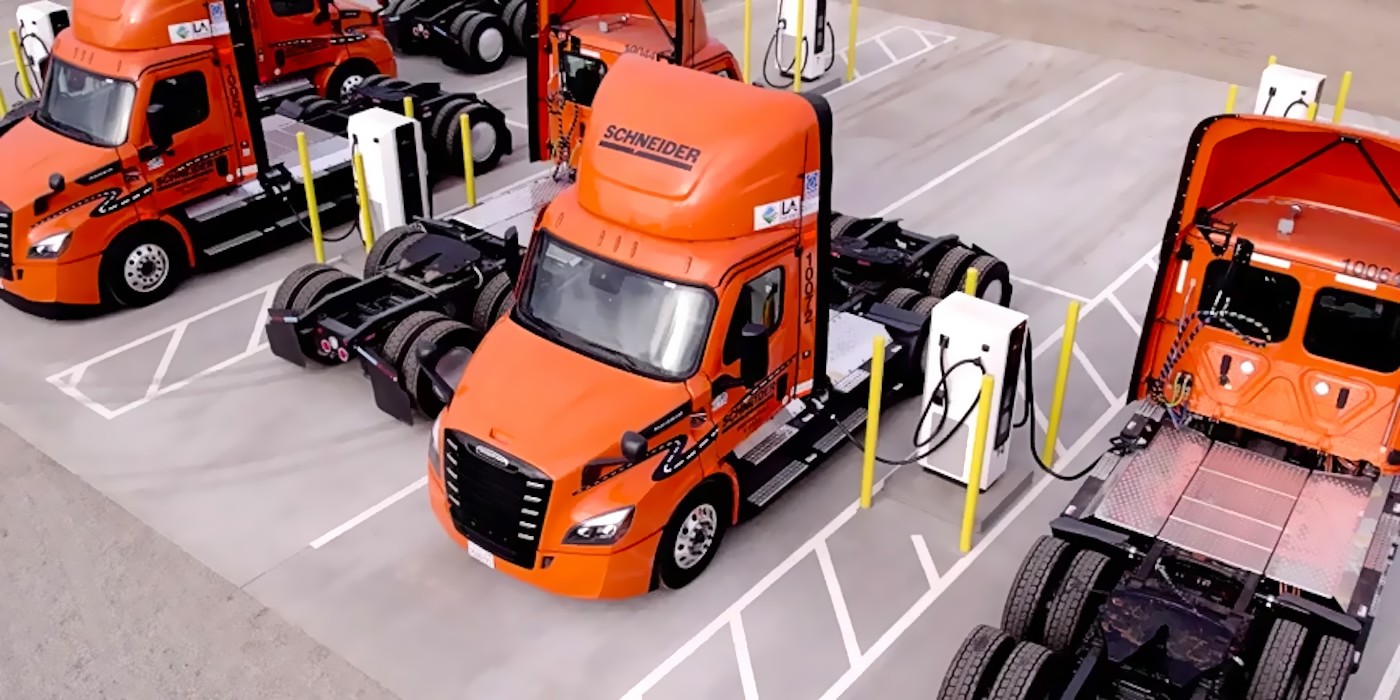
While most companies are struggling to fill seats, those adopting electric semi-trucks are seeing a surge in applications. It turns out that the transition to electric vehicles (EVs) isn’t just about saving the planet or cutting fuel costs; it is about a fundamental shift in the driver experience. These high-tech machines are transforming the profession from a gritty, manual labor job into a sophisticated, tech-driven career that aligns with modern values. The data is clear: the future of freight is electric, and the drivers of tomorrow are already lining up to take the wheel.
Why Younger Generations Demand Green Tech
The modern workforce is vastly different from the one that dominated the 20th century. Today’s younger drivers are hyper-aware of their carbon footprint and want to work for companies that share their commitment to sustainability. By integrating electric trucks into their fleets, companies like Benore Logistics are sending a clear signal: they are looking toward the future, not clinging to the past. This alignment of values is a powerful recruitment tool that traditional diesel-heavy fleets simply cannot match. When a driver feels that their work contributes to a cleaner environment, their job satisfaction skyrockets.
Furthermore, the technology inside these vehicles is a major draw. Today’s youth grew up with smartphones and advanced computing. Stepping into a brand-new electric semi feels more like sitting in a high-end command center than a traditional truck cab. With regenerative braking, advanced driver-assistance systems, and silent operation, the ‘cool factor’ of EVs is undeniable. This technological edge is helping to bridge the gap between the logistics industry and the tech-savvy labor pool, turning a ‘dirty job’ into a prestigious tech-forward career path.
The Massive Benefits Fleets Can’t Ignore
Beyond the recruitment buzz, the logistical benefits of electric semi-trucks are profound and multifaceted. Drivers report significantly less fatigue when operating electric vehicles compared to their diesel counterparts. Without the constant roar of a diesel engine and the rhythmic, jarring vibrations of a traditional transmission, the physical toll on a driver’s body is greatly reduced. This leads to higher job satisfaction and, more importantly, higher retention rates. When a driver enjoys their environment and feels less physically drained at the end of a shift, they are far less likely to jump ship to a competitor.
- Drastic reduction in noise pollution for drivers and urban communities.
- Zero tailpipe emissions, drastically improving local air quality.
- Significant long-term savings on maintenance and fuel costs.
- Enhanced regenerative braking systems that increase safety on steep grades.
- Simplified drivetrains that lead to less downtime for repairs.
As we look toward 2026 and beyond, the trend is only going to accelerate. The infrastructure for charging is expanding rapidly, and the range of these vehicles is meeting the needs of regional haulers. For a deeper look at the transition, you can explore the latest electric vehicle news to see how the landscape is shifting daily. Companies that fail to adapt now risk being left in the dust—not just by the technology, but by the very workers they need to survive. The driver shortage isn’t an unsolvable crisis; it’s a call to innovate. Benore Logistics has proven that when you give people a better way to work, they will come knocking on your door.
Ultimately, the move to electric is a win-win-win situation. The planet benefits from reduced greenhouse gases, the companies benefit from lower operating costs and a loyal workforce, and the drivers benefit from a modern, comfortable, and meaningful career. The era of the diesel dinosaur is ending, and the age of the electric driver has officially begun. Fleet managers across the country are watching closely as the paradigm shifts from ‘how much does it cost’ to ‘how many drivers can we keep.’ In this new world, the quiet hum of an electric motor is the sound of success.