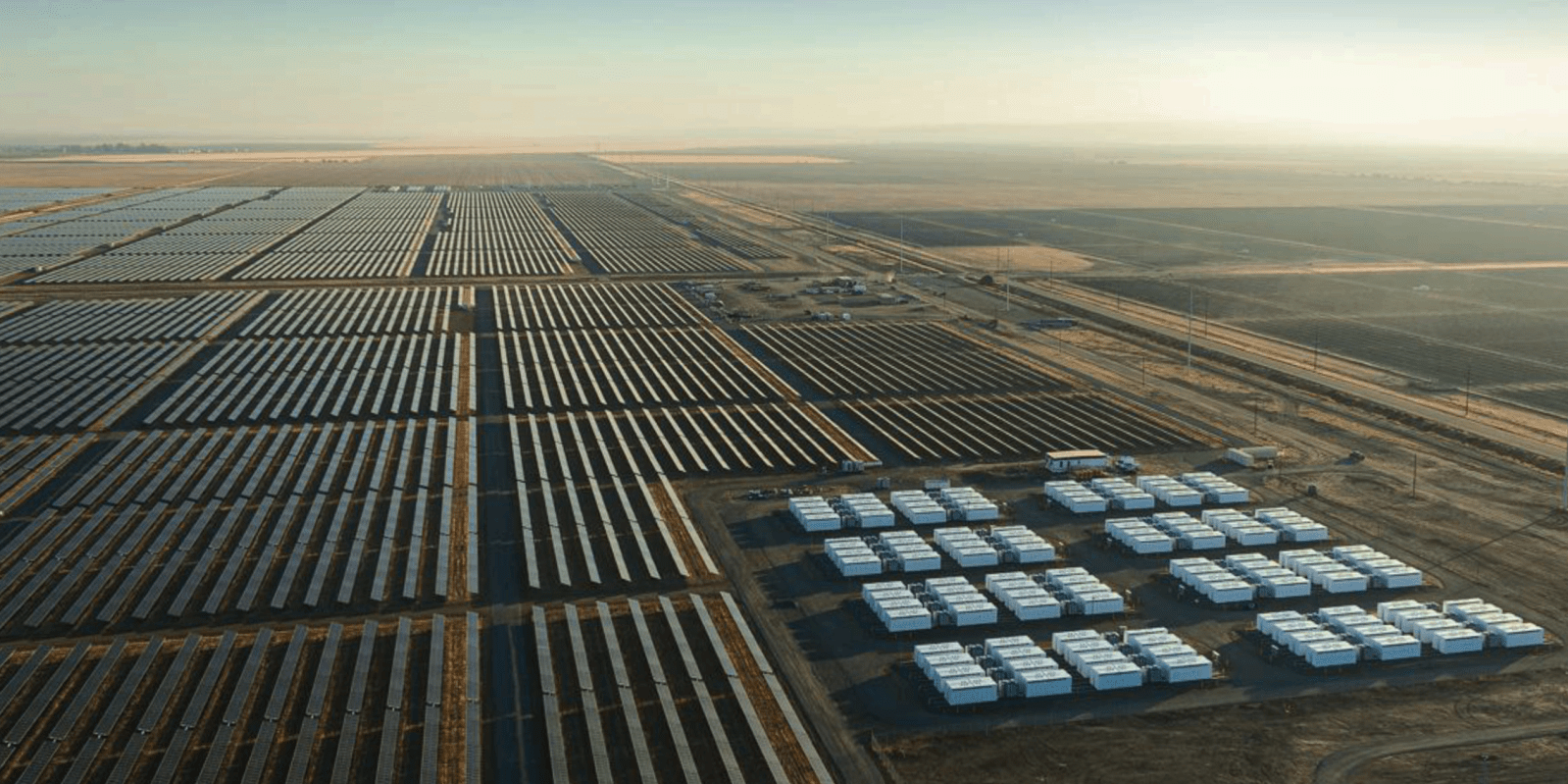
The tech world is reeling after a massive leak revealed Elon Musk’s secret weapon for global energy dominance. In a move that has sent shockwaves through Wall Street and the renewable energy sector, Tesla is reportedly finalizing a staggering $2.9 billion deal to purchase advanced manufacturing equipment from Chinese suppliers. This isn’t just another business deal; it is the foundation of a 100-gigawatt solar empire right here on American soil.
The $2.9 Billion Gamble: Tesla Joins Forces with China
For years, critics claimed that Tesla’s solar ambitions were dead. After the company effectively shuttered much of its solar roof production and shifted focus entirely to energy storage, many believed Musk had given up on the sun. However, this new revelation proves that Tesla was simply waiting for the right moment to strike. By leveraging the world-class efficiency of Chinese manufacturing technology, Musk is positioning Tesla to become the undisputed king of solar energy in the United States.
The scale of this operation is almost impossible to comprehend. To put it in perspective, 100 gigawatts of manufacturing capacity is enough to power tens of millions of homes. This isn’t just about small residential panels anymore; it’s about an industrial-scale takeover of the energy grid. The equipment coming from China represents the cutting edge of photovoltaic technology, promising higher efficiency rates than anything currently being produced in the West. This aggressive expansion signals that Musk is no longer satisfied with just cars and batteries.
Why Musk is Turning Back to the Sun
Just two years ago, headlines screamed that Tesla’s energy business was in a death spiral. Solar installations had plummeted, and the focus shifted heavily toward Megapacks for grid-scale storage. But as the demand for sustainable energy reaches a fever pitch, Musk has pivoted once again. This massive $2.9 billion investment suggests that Tesla has found a way to make solar profitable at a scale never before seen in the private sector.
The decision to source equipment from China is controversial, especially given the current geopolitical climate. However, insiders suggest that Musk prioritizes speed and scale above all else. If Chinese suppliers can provide the tools to build 100 GW of capacity faster than domestic alternatives, Musk will take that deal every single time. This pragmatism is what makes Tesla a disruptor, but it also invites scrutiny from lawmakers concerned about the supply chain’s reliance on foreign powers. Many fear that this move might undermine domestic manufacturing incentives, yet Musk seems focused solely on the end goal: total market saturation.
The integration of this new equipment into Tesla’s Gigafactories will likely be a logistical marvel. Experts suggest that the new production lines will be highly automated, reducing the cost of solar panels to levels that could make coal and gas obsolete overnight. The ‘Master Plan’ is finally coming together, and it involves a total reimagining of how energy is harvested and stored. By controlling both the generation (solar) and the storage (Powerwall and Megapack), Tesla is creating a closed-loop ecosystem that traditional utility companies cannot match.
The Geopolitical Impact of Chinese Tech in US Energy
This deal creates a fascinating paradox. While the United States pushes for energy independence, its leading clean energy company is relying on its biggest rival to build the infrastructure. This $2.9 billion influx into the Chinese economy will certainly raise eyebrows in Washington. Yet, without this technology, the transition to a renewable grid might be delayed by decades. You can read more about the original report at Reuters, which first broke the news of this secret negotiation and its implications for the global supply chain.
The sensational nature of this move cannot be overstated. It is a total reversal of the narrative that Tesla was ‘done’ with solar. Instead, it seems Tesla was merely hibernating, gathering the resources and the tech necessary to launch an all-out assault on the energy market. With 100 GW of capacity, Tesla could single-handedly meet a significant portion of the global demand for solar panels, effectively turning the company into a utility giant that rivals traditional power companies. The world is watching to see if Musk can deliver on this promise, or if this is another case of over-ambitious projection. However, with nearly three billion dollars on the line, the stakes have never been higher. As the equipment begins to arrive, the landscape of American manufacturing will change forever. Musk is not just building a product; he is building the future of humanity’s survival. The critics who wrote off Tesla Solar in 2024 are now eating their words as the billionaire prepares to flip the switch on the most ambitious energy project in modern history.