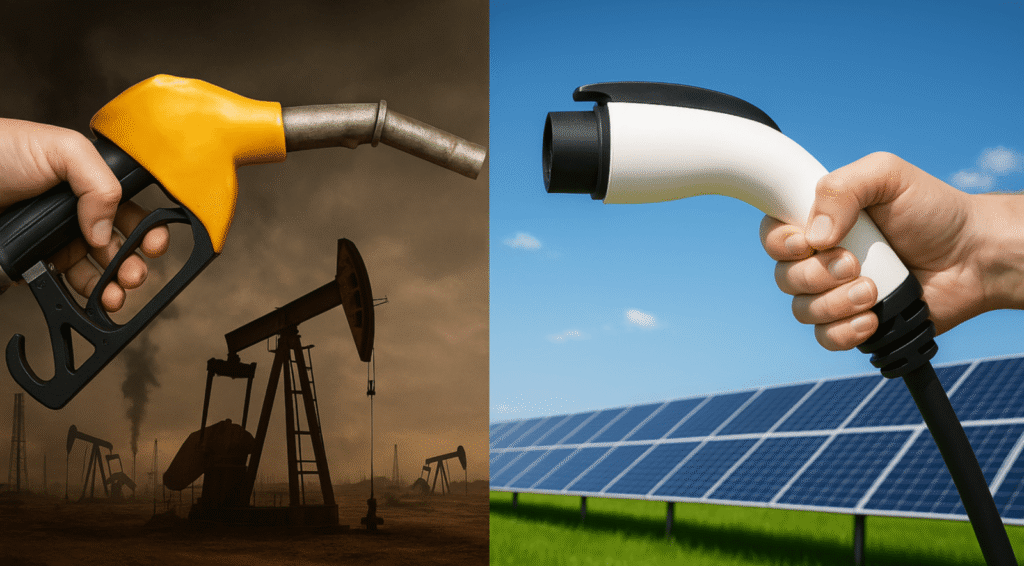
The energy landscape has been permanently altered. In a shocking turn of events that has left industry analysts gasping for air, the world just added a record-shattering amount of wind and solar capacity in 2025. This isn’t just a minor improvement over previous years; it is a total, unmitigated explosion of green power that is rendering old-world fossil fuels obsolete at a terrifyingly fast pace. The data is in, and the numbers are absolutely staggering. Many expected a gradual transition, but what we are witnessing is an aggressive, high-speed overhaul of the global electrical grid that few predicted even five years ago.
The 814 GW Revolution: A New Era for Planet Earth
According to the latest industry reports, the global community successfully installed an unbelievable 814 gigawatts of renewable energy capacity in a single year. To put that in perspective, that is more power than the entire existing electrical grids of several major nations combined. We are witnessing a fundamental shift in how humanity powers its future. The dominance of coal and gas is not just fading; it is being crushed under the weight of thousands of solar panels and massive wind turbines stretching across the horizon. This surge represents a massive leap toward total decarbonization, signaling that the ‘fossil fuel era’ is entering its final, desperate chapter.
Why is this happening now? The convergence of massive government subsidies, falling manufacturing costs, and an urgent need for energy independence has created the ‘perfect storm’ for green energy. From the massive manufacturing hubs in China to the sprawling solar farms in the American Southwest, the momentum is now unstoppable. Critics who said the world wasn’t ready for a green transition are being silenced by the sheer volume of hardware being deployed every single day. Markets are responding in kind, with capital fleeing traditional extraction industries and pouring into sustainable infrastructure at rates never before seen in human history.
Why Solar Power is Killing the Competition
Solar energy alone accounted for the lion’s share of this record-breaking growth. The efficiency of photovoltaic cells has reached a tipping point where it is now significantly cheaper to build a brand-new solar farm than to continue operating an existing coal plant. This economic reality is driving private investment into the stratosphere. Major corporations are no longer choosing solar just to be ‘green’; they are doing it because it is the only way to survive in a high-cost energy market. We are seeing panels on every available surface, from industrial rooftops to floating arrays on reservoirs.
- Residential solar installations increased by 45% in urban areas across the globe.
- Utility-scale projects reached a new peak in the Sahara and Gobi deserts.
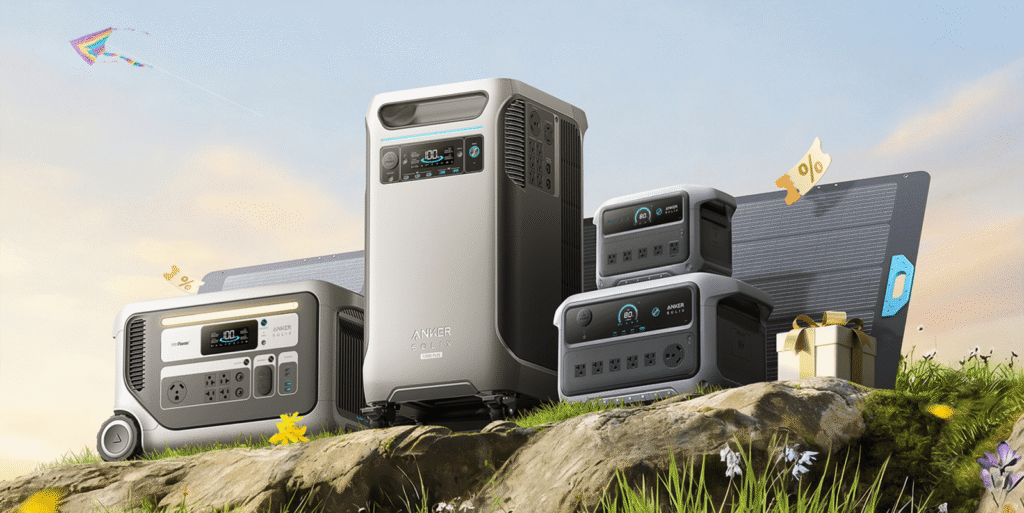
- Innovations in energy storage are finally solving the intermittency problem, allowing solar to power the night.
- Manufacturing capacity has doubled, leading to a surplus of affordable high-efficiency panels.
As manufacturing techniques continue to scale, we can expect these numbers to look small by comparison in the coming decade. The International Energy Agency has previously hinted at this acceleration, but even their most optimistic projections didn’t account for the raw velocity of the 2025 surge. The solar industry has effectively entered a period of exponential growth that mirrors the early days of the digital revolution.
Wind Power: Scaling to New Heights
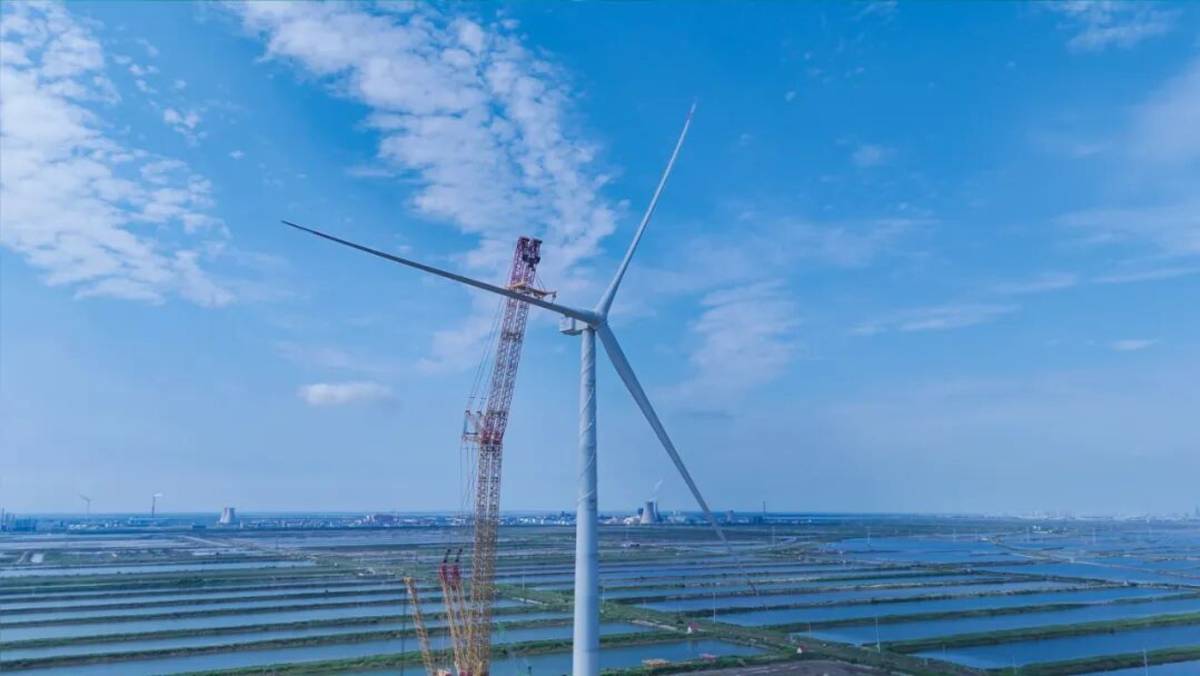
While solar might be the headline-grabber, wind power is the backbone of this revolution. Massive offshore wind projects are now being anchored in deeper waters than ever before, capturing consistent, high-velocity winds that were previously unreachable. Companies like Dongfang Electric are pushing the limits of engineering, producing turbines with blades so long they could span the length of multiple football fields. Each rotation of these giants generates enough electricity to power thousands of homes, proving that scale is the ultimate weapon against the energy crisis. The sheer size of these turbines is a testament to human ingenuity and the desperate need for clean, reliable power.
The logistical challenges of 2024 have been solved, and the supply chain for rare-earth magnets and steel is finally catching up to the insatiable global demand. The result is a landscape where wind energy is no longer a fringe alternative but a primary pillar of national security for countries across Europe and Asia. The wind is blowing, and it is carrying the scent of a new industrial age where the air is cleaner and the power is cheaper. This shift is not just about the environment; it is about who controls the energy of the future. By harvesting the wind, nations are breaking their dependency on volatile foreign oil markets.
The geopolitical implications are equally massive. Countries that were once beholden to oil-rich regimes are now finding their sovereignty in the gusts of wind over their seas and the sunlight on their plains. This shift is reorganizing the global power balance, moving influence away from extraction-based economies toward technology-based ones. This is more than just an environmental story; it is a story of wealth redistribution and the democratization of energy. Every panel installed is a step toward a world where energy is harvested, not mined, and where the costs are dictated by innovation rather than scarcity. The 814 GW added in 2025 is a warning shot to every oil executive on the planet: the future has arrived, and it is powered by the sun and the wind.