The Hardware 3 Trap: A €6,400 Broken Promise?
In the high-stakes world of autonomous driving technology, Tesla has long positioned itself as the undisputed leader. However, for early adopters who shelled out thousands of Euros for the promise of ‘Full Self-Driving’ (FSD) on Hardware 3 (HW3) computers, that leadership is starting to look like a long-running bait-and-switch operation. A Dutch Tesla owner, who has now become the face of a growing collective legal movement in Europe, recently reached out to the electric vehicle giant to inquire about the status of the €6,400 investment he made back in 2019. After waiting seven years for a product that was sold as ‘imminent,’ the response he received from Tesla was as dismissive as it was shocking: ‘just be patient.’
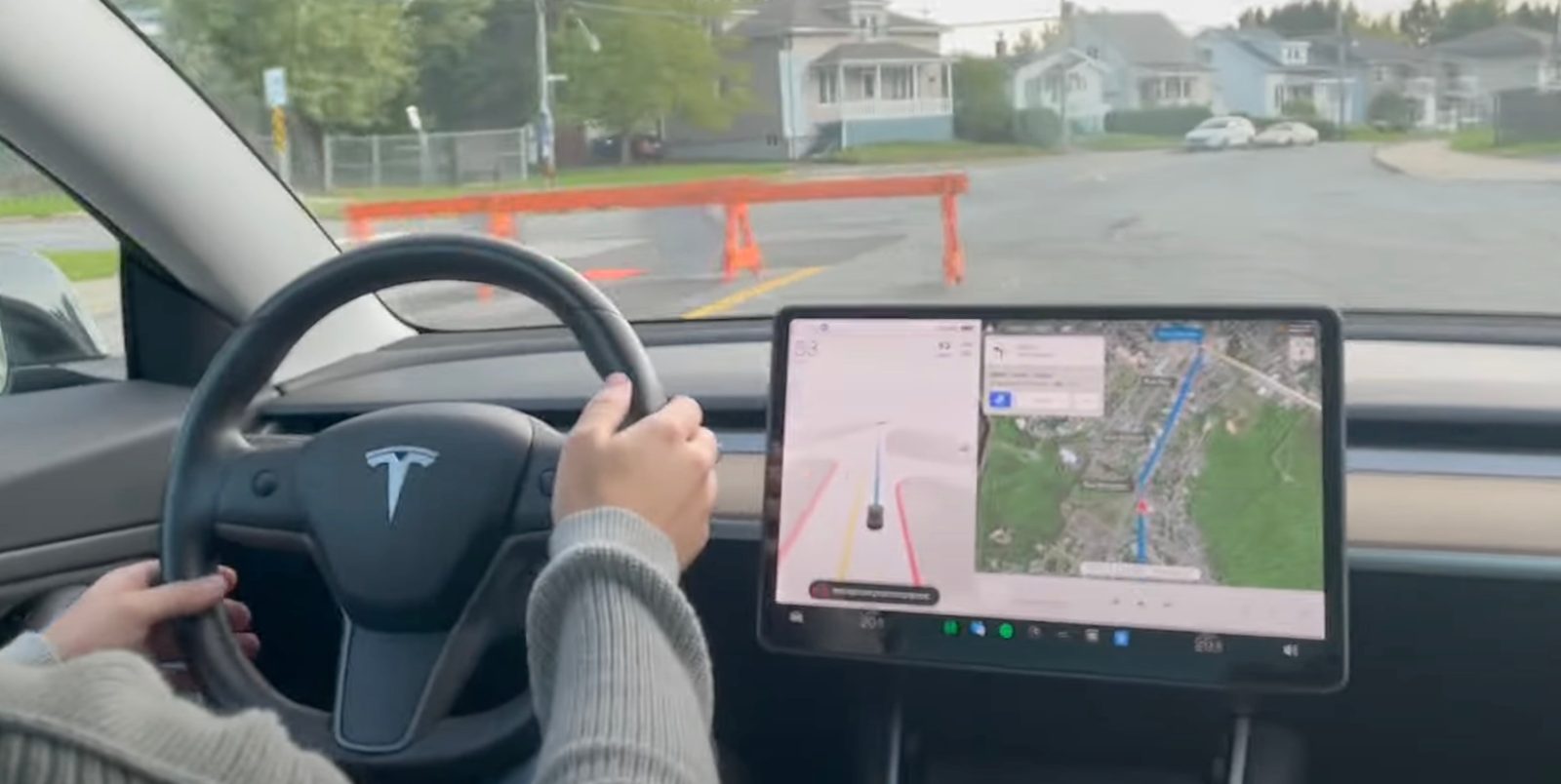
This tone-deaf interaction is not just an isolated customer service fail; it is a symbol of a massive technological and ethical gap in Elon Musk’s empire. When HW3 was first introduced, it was touted as the ‘pinnacle’ of automotive computing, allegedly capable of handling the complex neural networks required for level 5 autonomy. Yet, as the years have rolled by, Tesla has pivoted to Hardware 4 (HW4) and AI5, leaving HW3 owners in a state of digital limbo. The software updates that were promised to turn these cars into revenue-generating robotaxis have remained perpetually ‘just around the corner,’ while the actual hardware is struggling to keep up with the latest FSD Beta builds.
The Dutch Legal Rebellion: Collective Action Against Tesla
The frustration has finally reached a boiling point in the Netherlands, where the aforementioned owner has launched a collective claim against Tesla. This legal maneuver aims to hold the automaker accountable for what many are calling a deceptive marketing campaign. In Europe, consumer protection laws are significantly more stringent than in the United States, and the prospect of a collective lawsuit could set a dangerous precedent for Tesla across the entire continent. The claim argues that Tesla sold a product under false pretenses, knowing—or at least eventually realizing—that the HW3 suite lacked the redundancy and processing power to achieve true autonomy.
Legal experts suggest that if the Dutch courts side with the owners, Tesla could be forced to refund the FSD purchase price for thousands of customers. This would not only be a financial blow but a catastrophic PR disaster for a company that relies heavily on its image as a future-proof innovator. You can read more about the evolving legal landscape for Tesla in recent reports that highlight the tension between hardware limitations and software ambitions. The argument is simple: if the car cannot do what was advertised at the time of sale, the contract has been breached.
The Technical Ceiling: Is HW3 Even Capable of FSD?
The core of the issue lies in the physical limitations of the HW3 platform. As Tesla’s neural networks grow more complex, they require more memory and faster processing speeds—things the older hardware simply lacks. While Elon Musk has repeatedly claimed that HW3 would still be supported, the performance discrepancy between older models and the new HW4 vehicles is becoming impossible to ignore. Owners report longer processing lag, lower resolution camera feeds, and a general lack of the ‘fluidity’ seen in newer builds. To tell an owner who has waited seven years to ‘be patient’ is to ignore the reality that their hardware is aging out of relevance.
As this legal battle intensifies, the eyes of the automotive world are on Europe. Will Tesla be forced to retroactively upgrade every HW3 car to the latest computer specs for free? Or will they face a mass exodus of loyal fans who are tired of being treated like beta testers for a product that never arrives? For now, the message from Tesla remains the same, but for owners who have seen their €6,400 investment yield nothing but empty promises, patience has finally run out.
- Owners paid €6,400 for a feature that still hasn’t arrived after 7 years.
- Collective legal action in the Netherlands is gaining momentum.
- Hardware 3 limitations are becoming a primary technical bottleneck.
- Tesla’s customer service response is fueling public outrage.