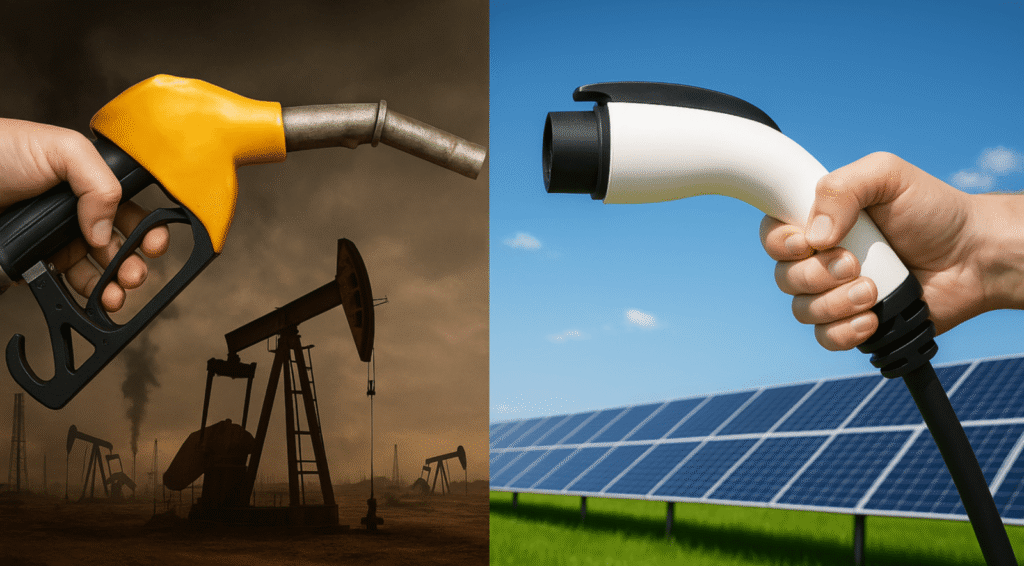
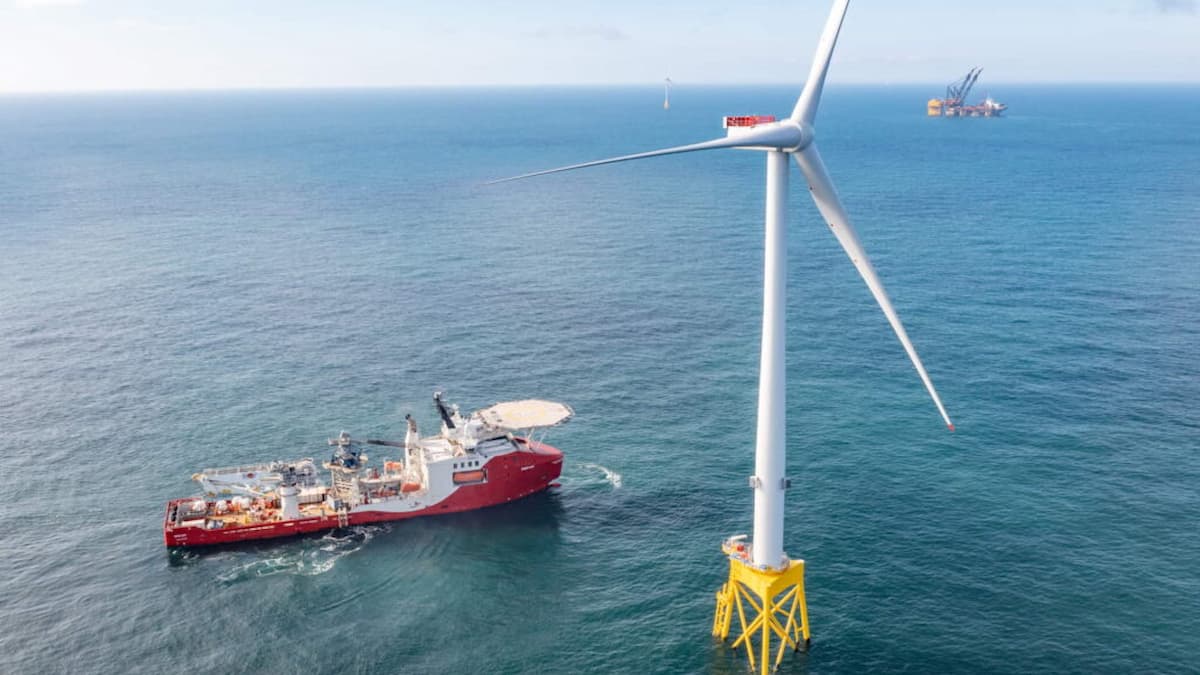
In a move that has sent shockwaves through the environmental and economic sectors alike, a staggering new report has surfaced regarding the misappropriation of public funds. The Department of the Interior (DOI) has just ignited a firestorm of controversy that is being described by critics as one of the most blatant acts of corporate cronyism in modern history. Documents reveal a shocking plan to divert $1 billion in taxpayer funds to the French oil giant TotalEnergies. This massive payout is not designed to spark innovation or create jobs; rather, it is a calculated reverse-incentive to force the company to halt its development of clean, affordable offshore wind energy. Instead of moving toward a greener future, the DOI is demanding a return to the dark ages of liquified methane gas, a move that experts warn will lead to higher energy costs and a devastating environmental impact.
The $1 Billion Betrayal: Taxpayers Funding Big Oil
The sheer scale of this transaction is difficult to fathom. At a time when the average American is struggling with inflation and rising utility bills, the government has decided to hand over ten figures to a foreign oil corporation. This is not a subsidy for growth—it is a payout for paralysis. TotalEnergies had been making significant strides in the offshore wind sector, promising a future of stable, low-cost electricity harvested from the natural power of our coastlines. However, the DOI, headed by individuals whose campaign finance records show hundreds of thousands of dollars from oil interests, has different priorities. By paying TotalEnergies to stop their wind projects, the administration is effectively sabotaging the nation energy independence in favor of keeping the fossil fuel industry on life support.
From Green Dreams to Gas Nightmares
The transition from offshore wind to liquified methane gas is a catastrophic step backward for the global climate initiative. Offshore wind represents a pinnacle of modern engineering, providing high-capacity energy without the volatile price swings associated with global commodity markets. By contrast, methane gas—often deceptively labeled as natural gas—is a potent greenhouse gas that is significantly more expensive to extract and transport over the long term. This pivot does not just hurt the planet; it hits the consumer directly in the wallet. The infrastructure required for methane gas is notoriously unreliable compared to the steady, predictable output of modern wind turbines. Yet, the DOI seems intent on shackling the American public to an obsolete energy grid that benefits no one but the oil executives and their political allies.
The Corporate Greed Behind the Curtain
Why would a government agency work so hard to prevent the adoption of cheaper energy? The answer lies in the deep pockets of the oil and gas lobby. For decades, these corporations have exerted a stranglehold on energy policy, ensuring that renewable alternatives are slowed, stalled, or outright killed. This $1 billion bribe to TotalEnergies is merely the latest and most visible symptom of a systemic rot. By using taxpayer money to discourage competition, the DOI is ensuring that fossil fuel companies maintain their monopoly over the energy market. This ensures that prices remain high and that the transition to a sustainable economy is delayed indefinitely. The public must understand that this is not just about energy; it is about who controls our resources and our future.
- Public funds being used to subsidize pollution over progress.
- TotalEnergies receiving payouts to stop renewable development.
- The Department of the Interior facing massive corruption allegations.
- Higher energy costs for consumers due to methane reliance.
The implications of this move go far beyond energy policy. It is a fundamental violation of the public trust. When the government uses the people money to pay off corporations to stop doing the right thing, the very foundation of democratic accountability begins to crumble. We are witnessing a transfer of wealth from the public sector to private oil interests under the guise of energy security, when in reality, it is nothing more than a high-stakes payoff. The public must demand answers and accountability before the next billion dollars is vanished into the pockets of Big Oil, leaving us with a hotter planet and empty bank accounts.