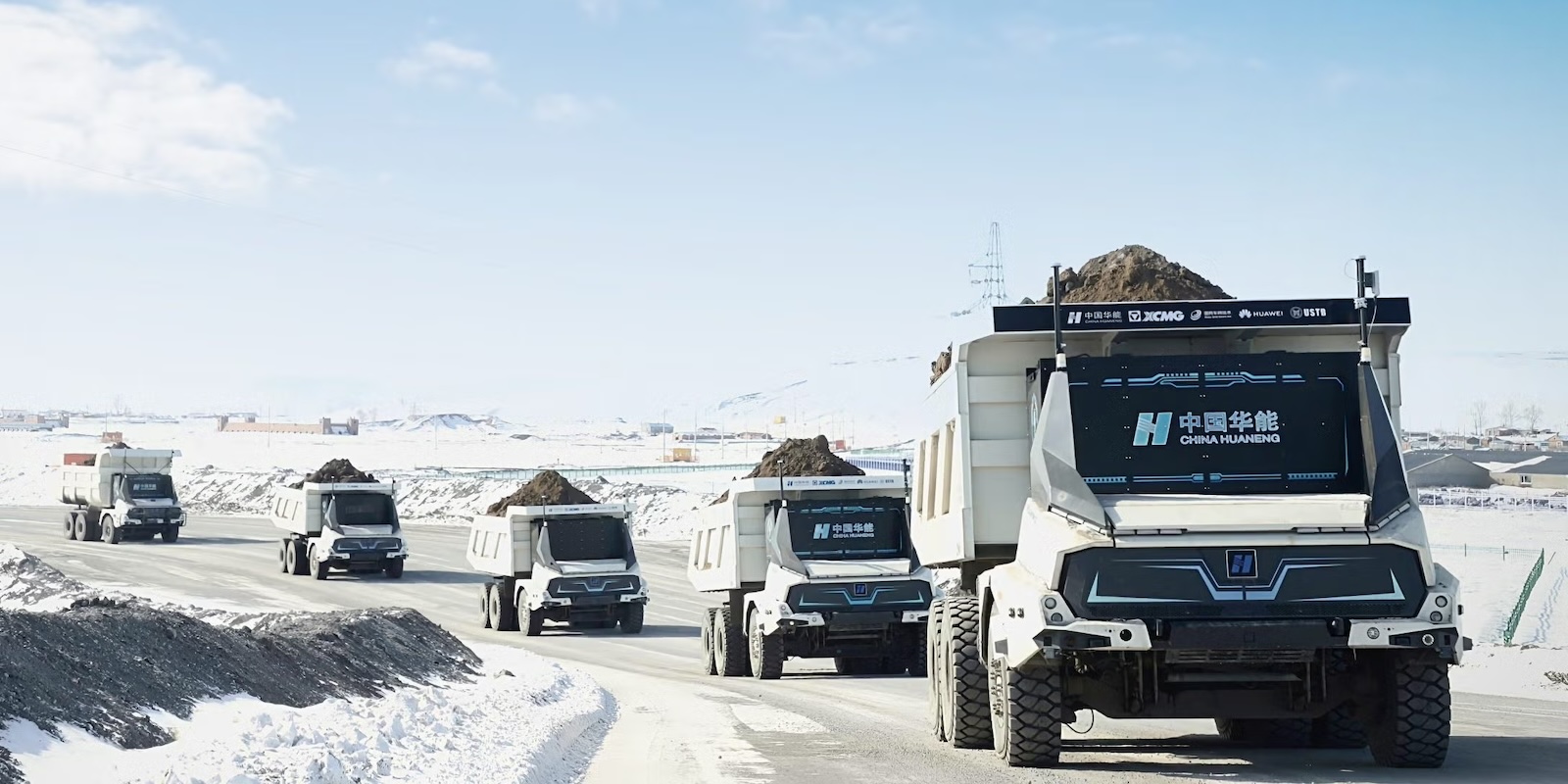
The global mining sector is standing on the precipice of a radical transformation, one fueled by the twin engines of electrification and artificial intelligence. For decades, the image of a mine was one of soot, loud diesel engines, and grueling human labor. However, a groundbreaking project has recently completed its first full year of operation, effectively shattering those stereotypes. By deploying a fleet of 100 massive, driverless, and fully electric heavy haul trucks, one mining operation has proven that the future isn’t just coming—it is already here. This ambitious experiment represents the largest single deployment of autonomous electric machinery in history, and the data coming back is nothing short of revolutionary for industrial efficiency and environmental stewardship.
The Future of Heavy Industry: 100 Electric Giants Take Over
Transitioning from traditional internal combustion engines to electric powertrains is a monumental task for any industry, but it is particularly challenging in the world of heavy mining. These vehicles are not your average passenger cars; they are multi-ton behemoths designed to move incredible loads across harsh, uneven terrain. When you add the layer of autonomous navigation, the complexity increases exponentially. Yet, after twelve months of continuous operation, the fleet has demonstrated that these electric giants are more than capable of handling the pressure. The deployment has seen these trucks working around the clock, navigating complex pit environments without a human hand on the wheel, and doing so with a precision that human operators often struggle to match over long shifts.
The implications of this success go far beyond just one mine. As global pressure mounts to reach net-zero emissions, the industrial sector is under the microscope. Traditional haul trucks consume thousands of gallons of diesel daily, contributing significantly to a company’s carbon footprint. By switching to a fully electric fleet, the mine has successfully eliminated a massive source of local pollution and greenhouse gas emissions. Furthermore, the integration of autonomous software ensures that every movement is optimized for energy efficiency, further reducing the total power required to extract and transport minerals.
Efficiency and Sustainability at Scale
One of the most striking findings from the first year of operation is the dramatic reduction in operational costs. While the initial capital expenditure for 100 autonomous electric trucks is substantial, the long-term savings are becoming increasingly evident. Maintenance costs for electric motors are a fraction of what they are for complex diesel engines, which are prone to frequent breakdowns under the stress of mining work. Additionally, the cost of electricity—especially if generated via on-site renewables—is significantly lower and more stable than the volatile price of diesel fuel. The mine reports that their energy costs have plummeted, allowing them to reinvest those savings into further technological upgrades.
- Elimination of thousands of tons of CO2 emissions annually.
- Reduction in maintenance downtime by over 40% compared to diesel fleets.
- Enhanced safety protocols by removing humans from high-risk driving environments.
- Significant decrease in per-ton transportation costs through AI route optimization.
Beyond the balance sheet, the environmental impact is a key driver for this transition. The quiet operation of electric motors has also improved the local environment for workers and nearby communities, reducing noise pollution that is typically synonymous with large-scale mining operations. This holistic approach to sustainability is setting a new benchmark for the industry at large.
The Rise of the Machine: Autonomous Excellence
Perhaps the most controversial yet successful aspect of this deployment is the ‘driverless’ component. The skepticism surrounding autonomous vehicles in industrial settings has been high, with many questioning if AI can handle the unpredictable nature of a working mine. However, the 100-truck fleet has utilized advanced LiDAR, radar, and GPS mapping to navigate with millimeter precision. These trucks don’t get tired, they don’t lose focus, and they follow optimized paths that minimize wear and tear on the vehicle’s components. This level of consistency is impossible for human drivers to maintain over an 8-hour shift, let alone a 24-hour cycle.
The safety data from the past year is also compelling. By removing human operators from the cabs of these heavy haulers, the mine has effectively eliminated the risk of driver-related accidents, which are often the result of fatigue or visibility issues. For more insights into the latest in green technology, you can visit The Verge to see how AI is changing other sectors. The success of this 100-truck fleet serves as a powerful proof of concept for mining companies worldwide, signaling that the age of the autonomous, electric mine is no longer a distant dream but a functional, profitable reality.