The End of Range Anxiety: CATL’s 10-Minute Charge Revolution
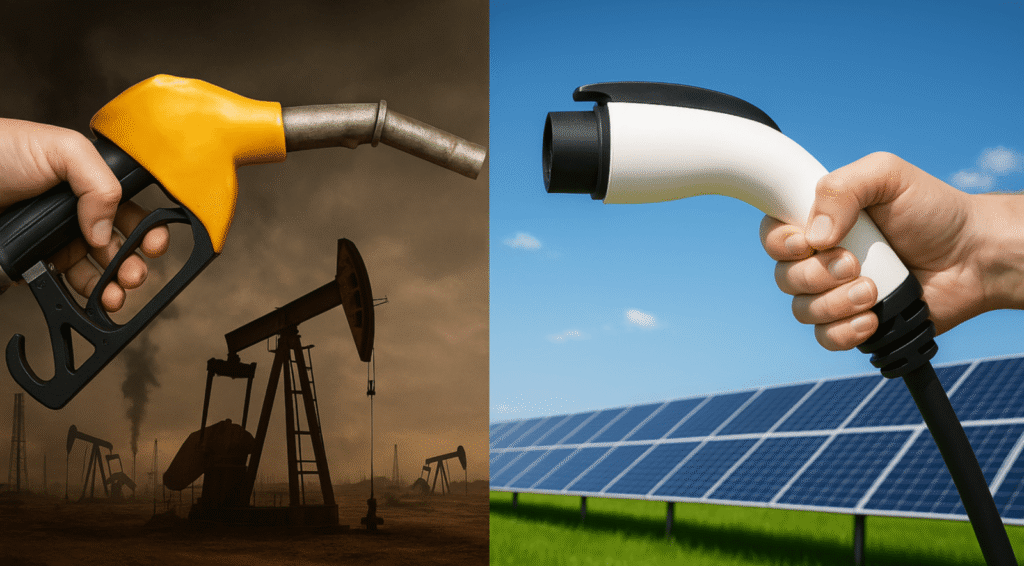
The electric vehicle industry has just been hit by a lightning bolt of innovation that will change the way we think about transportation forever. In a move that has sent massive shockwaves through the global automotive world, the battery titan CATL has officially declared war on its rivals by announcing a groundbreaking new partnership. This isn’t just another incremental update to battery chemistry; it is a full-scale assault on the status quo. By securing a high-stakes deal to develop technology capable of charging an EV in under ten minutes, CATL is positioning itself to render the traditional gas station completely obsolete.
For years, the single biggest deterrent for the average consumer considering a switch to electric power has been the dreaded concept of ‘range anxiety’—the persistent fear of being stranded with a dead battery and nowhere to charge quickly. While Tesla and other major manufacturers have made significant strides with their proprietary charging networks, the holy grail of the industry has always been the sub-ten-minute charge. CATL’s latest venture promises to deliver exactly that, effectively matching the time it takes to fill a traditional internal combustion engine vehicle with gasoline. This breakthrough could be the final nail in the coffin for the fossil fuel era.
CATL vs. BYD: The Titans Clash for Global Dominance
The rivalry between CATL and BYD has been one of the most closely watched narratives in the green energy sector for the last decade. While BYD has seen explosive growth by controlling both vehicle production and battery manufacturing, CATL remains the undisputed king of the global supply chain. This new partnership is a strategic masterstroke designed to pull the rug out from under BYD’s feet. By focusing on ultra-high-speed charging, CATL is targeting the one remaining advantage that internal combustion engines still hold over electric vehicles: pure convenience.
Industry insiders suggest that the new technology utilizes advanced electrochemical formulations that drastically reduce internal resistance within the cells. This allows for a massive influx of current without the catastrophic heat buildup that typically degrades battery life and safety. If CATL can scale this technology, the EV battery leader will effectively set a new global standard that every other manufacturer—from Ford to Volkswagen—will be forced to follow or face total irrelevance in the coming years.
The implications for the global market are truly staggering. We are looking at a future where long-distance road trips no longer require hour-long stops at charging stations or complex planning around battery levels. Instead, a quick bathroom break and a cup of coffee will be enough time to replenish hundreds of miles of range. This level of efficiency is what will finally push the ‘laggards’—those still clinging to their gasoline-powered cars—into the electric age with confidence and excitement.
Breaking the Heat Barrier: The Science of Speed
How exactly does one achieve a ten-minute charge without the battery melting or suffering from long-term damage? The secret lies in a combination of revolutionary new electrode materials and a next-generation thermal management system. Standard lithium-ion batteries struggle with a phenomenon known as ‘lithium plating’ during rapid charging, which can lead to internal short circuits and fire hazards. CATL’s new partnership reportedly leverages AI-driven charging protocols that modulate the flow of energy in real-time, ensuring that every cell is optimized for maximum intake without crossing dangerous safety thresholds.
- Advanced anode designs that allow for significantly faster lithium-ion diffusion.
- Next-generation liquid cooling systems integrated directly into the cell casing for maximum dissipation.
- Smart-grid compatibility to handle the massive localized power draws required for 10-minute bursts.
- Enhanced lifecycle durability, ensuring the battery lasts for over 500,000 miles even with frequent fast-charging.
This technological leap isn’t just about speed; it’s about the democratization of electric mobility. As charging times decrease, the need for massive, heavy, and expensive long-range batteries also diminishes. If you can charge in ten minutes, you might only need a 200-mile battery instead of a 400-mile one, leading to lighter, more efficient, and significantly cheaper electric cars for the average family. The war for the future of the road is being fought in the laboratory, and right now, CATL appears to be winning by a landslide. The age of waiting is over, and the age of instant power has begun.