A reminder as oil prices spike: EVs are the #1 route to energy independence
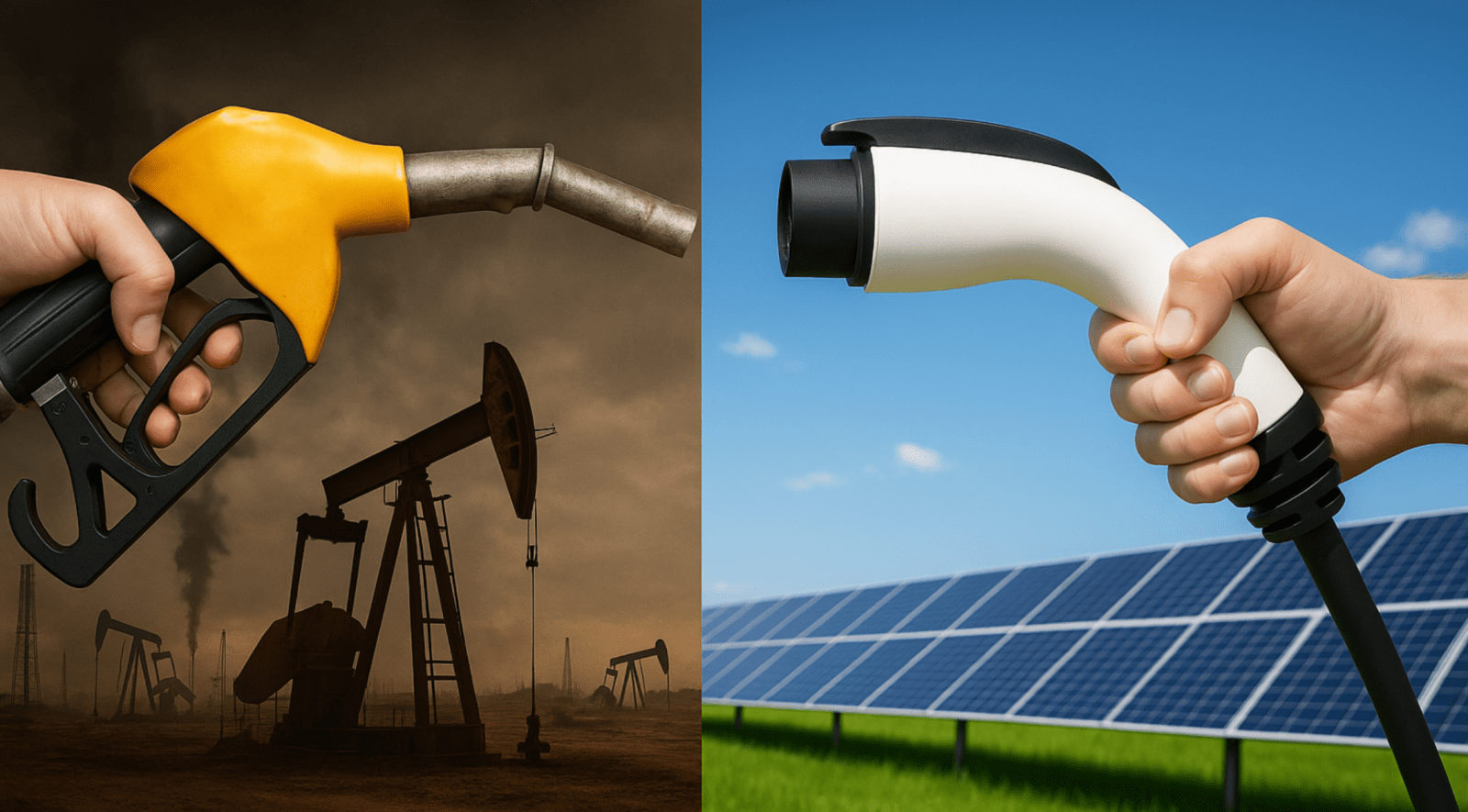
The Pivotal Role of Electric Vehicles in Achieving Energy Independence and Reducing Global Conflict
Recent geopolitical events, including significant actions taken by the United States and Israel in Iran over the past ten days, have sent shockwaves through global markets, leading to a substantial surge of over 50% in oil prices. This dramatic escalation serves as a stark and timely reminder of the intricate link between oil demand, energy security, and international stability. As nations grapple with the volatility of fossil fuel markets, the imperative to reduce oil dependence becomes increasingly critical, and electric vehicles (EVs) are emerging as the most potent and accessible solution for achieving genuine energy independence. The widespread adoption of Electric Vehicles presents a clear pathway for countries to insulate themselves from the unpredictable fluctuations of the global oil market and to mitigate the geopolitical tensions often fueled by energy resource competition.
How Electric Vehicles Foster Energy Independence
The concept of energy independence is intrinsically tied to a nation’s ability to meet its energy needs through domestic resources, thereby reducing reliance on foreign suppliers. For decades, the world has been heavily dependent on oil, a finite resource concentrated in specific geographic regions, leading to complex geopolitical relationships and frequent price volatility. Electric Vehicles fundamentally alter this dynamic by shifting energy consumption from imported petroleum to electricity, which can be generated from a diverse array of domestic sources.
This transition offers several key advantages in the pursuit of energy independence:
* **Diversification of Energy Sources:** Electricity can be produced from renewable sources like solar, wind, hydro, and geothermal, as well as from nuclear power and even natural gas. By powering vehicles with electricity, countries can leverage their own natural endowments and technological capabilities, rather than being beholden to oil-producing nations. This diversification strengthens national energy security and reduces vulnerability to supply disruptions or price manipulation.
* **Reduced Import Dependency:** A significant portion of national budgets in many countries is allocated to importing oil. A large-scale shift to Electric Vehicles would dramatically decrease the demand for imported oil, freeing up substantial financial resources that can be reinvested domestically. This reduction in import dependency not only bolsters economic stability but also lessens the leverage that oil-exporting countries may wield in international affairs.
* **Domestic Job Creation and Economic Growth:** The development, manufacturing, and maintenance of EV charging infrastructure, battery production, and the vehicles themselves create new industries and jobs within a country. This fosters domestic economic growth and innovation, further strengthening national self-sufficiency. The entire EV Tech ecosystem, from battery recycling to software development for smart charging, represents a burgeoning sector with immense potential for creating skilled employment.
The Link Between Oil Demand, Conflict, and EV Technology
The historical narrative of global conflict and political instability is frequently intertwined with the control and distribution of oil resources. Competition for access to oil fields, the strategic importance of shipping lanes, and the economic power derived from oil exports have all been significant drivers of international tensions. The recent surge in oil prices, exacerbated by actions in politically sensitive regions, underscores this enduring reality.
Electric Vehicles offer a transformative solution by directly addressing the root cause of this dependency: the demand for oil. As more consumers and fleets transition to Electric Vehicles, the global demand for petroleum for transportation will inevitably decline. This reduction in demand can lead to:
* **De-escalation of Geopolitical Tensions:** With decreased reliance on oil, the strategic importance of oil-producing regions diminishes, potentially reducing the incentive for international conflict over these resources. Countries can focus on developing their own energy futures rather than engaging in complex and often perilous geopolitical maneuvering related to oil supply.
* **Increased Global Stability:** A global shift towards Electric Vehicles, supported by advancements in EV Tech, can create a more stable international environment. Reduced price volatility in energy markets translates to greater economic predictability for businesses and consumers alike.
* **Empowerment Through EV Tech Innovation:** The ongoing innovation in EV Tech, including improvements in battery density, charging speeds, and vehicle efficiency, further accelerates the transition. Governments and private sectors investing in this field are not just developing better vehicles; they are investing in national security and a more peaceful future. The push for advanced EV batteries and charging solutions is becoming a key component of national industrial policy, recognizing the strategic advantage it confers.
In conclusion, the recurring patterns of oil price spikes and their connection to geopolitical instability highlight an urgent need for a fundamental shift in our energy consumption habits. Electric Vehicles, propelled by rapid advancements in EV Tech, represent more than just a sustainable transportation alternative; they are a crucial tool for achieving true energy independence, fostering economic resilience, and contributing to a more peaceful and stable world. The ongoing investment and development in this sector are critical for realizing these profound benefits.