Tesla Faces Scrutiny Over Elon Musk’s Leadership Amidst Legal Challenges
Recent legal proceedings have cast a shadow over Tesla, with a new lawsuit alleging negligence in the company’s decision to retain Elon Musk as its Chief Executive Officer. The lawsuit, detailed in a recent episode of “Quick Charge,” paints a critical picture of Musk’s leadership, drawing parallels to a “fast-talking salesman” and raising significant questions about his direct involvement in crucial engineering and safety decisions at the electric vehicle (EV) giant.
This legal challenge comes at a pivotal moment for Tesla, a company that has long been synonymous with innovation in the Electric Vehicles sector. While Musk’s visionary approach has undoubtedly propelled Tesla to the forefront of the EV revolution, the lawsuit suggests that his management style and purported lack of deep technical engagement may be creating vulnerabilities. The core of the allegation centers on whether Tesla’s board adequately oversaw Musk’s actions and whether his influence on engineering and safety protocols aligns with the best interests of the company and its customers in the competitive EV Tech landscape.
Concerns Over Engineering and Safety Oversight
The lawsuit specifically questions the extent to which Elon Musk’s input into engineering and safety decisions is truly beneficial or, conversely, detrimental to Tesla’s operations. Critics argue that while Musk provides the overarching vision, his day-to-day involvement in the intricate details of vehicle design, manufacturing processes, and safety testing might be less hands-on than perceived. This raises concerns about the effectiveness of Tesla’s internal checks and balances, particularly when it comes to ensuring the highest standards of safety for its Electric Vehicles. The legal team behind the suit contends that the board’s failure to establish robust oversight mechanisms, especially concerning Musk’s direct influence, constitutes a breach of fiduciary duty. In the rapidly evolving world of Electric Vehicles, where technological advancements are constant and safety regulations are stringent, such oversight is paramount for long-term success and public trust in EV Tech.
Furthermore, the comparison to a “fast-talking salesman” suggests a perception that Musk’s public persona and ambitious pronouncements may overshadow genuine, data-driven decision-making within the company. This could potentially lead to rushed product development cycles or an underestimation of potential risks associated with new EV technologies. The lawsuit implies that this management style, while perhaps effective in generating excitement and investment, may not be conducive to the meticulous engineering and rigorous safety protocols required for a company operating at the scale and prominence of Tesla. Maintaining consumer confidence in Electric Vehicles is heavily reliant on demonstrated reliability and safety, making these allegations particularly significant for the future of the EV market.
The Broader Impact on Tesla and the EV Market
The implications of this lawsuit extend beyond Tesla’s immediate legal standing. It touches upon a broader discussion about leadership styles in the high-stakes environment of the Electric Vehicles industry. As more companies enter the EV Tech space, the effectiveness of different management approaches will be under increasing scrutiny. The lawsuit’s focus on Musk’s leadership could set a precedent for how executive accountability is viewed within cutting-edge technology firms, particularly those heavily reliant on the personality and vision of their leaders.
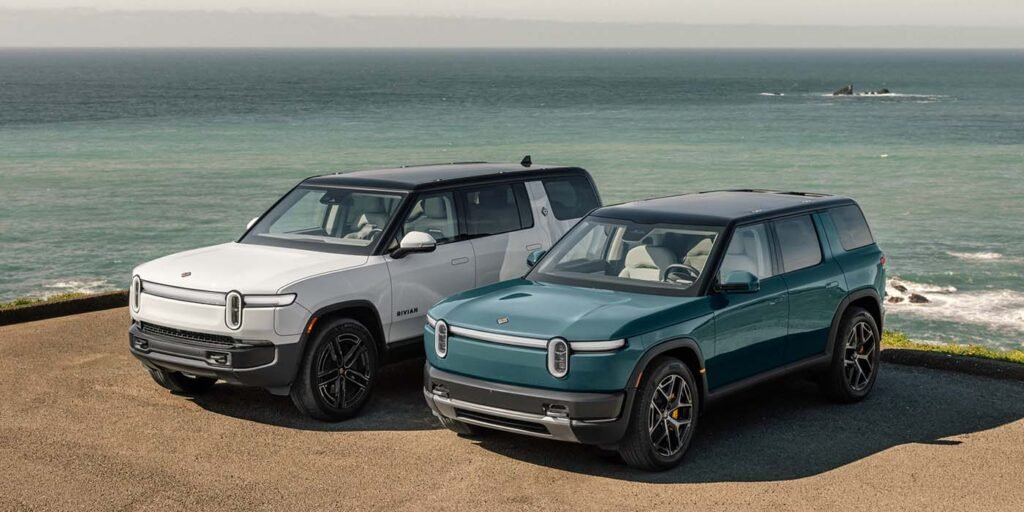
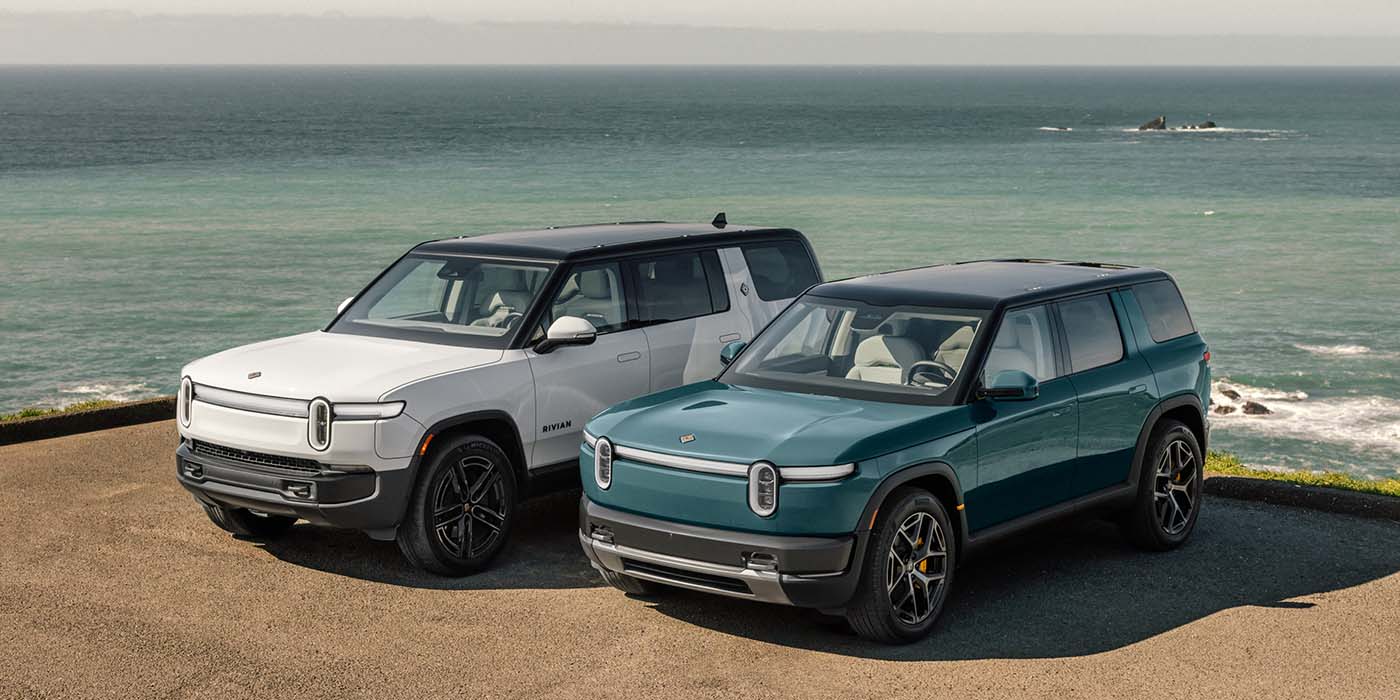
Moreover, the timing of these allegations is noteworthy. The Electric Vehicles market is becoming increasingly competitive, with established automakers and new players like Rivian and Lucid introducing compelling alternatives. Companies like Tesla need to maintain a strong focus on product quality, innovation, and safety to retain their market share. Any perception of instability or internal governance issues, especially concerning safety and engineering, could give competitors an advantage. The lawsuit’s claims, if proven, could impact investor confidence and consumer trust, potentially slowing down the adoption of Electric Vehicles by a broader audience who are still evaluating the long-term viability and safety of EV Tech.
The outcome of this legal battle could have far-reaching consequences, influencing not only Tesla’s future trajectory but also shaping the discourse around leadership and corporate governance within the dynamic and rapidly expanding world of Electric Vehicles and advanced EV Tech.