Cybertruck Autopilot Incident Sparks Major Lawsuit Against Tesla, Allegations Extend to CEO
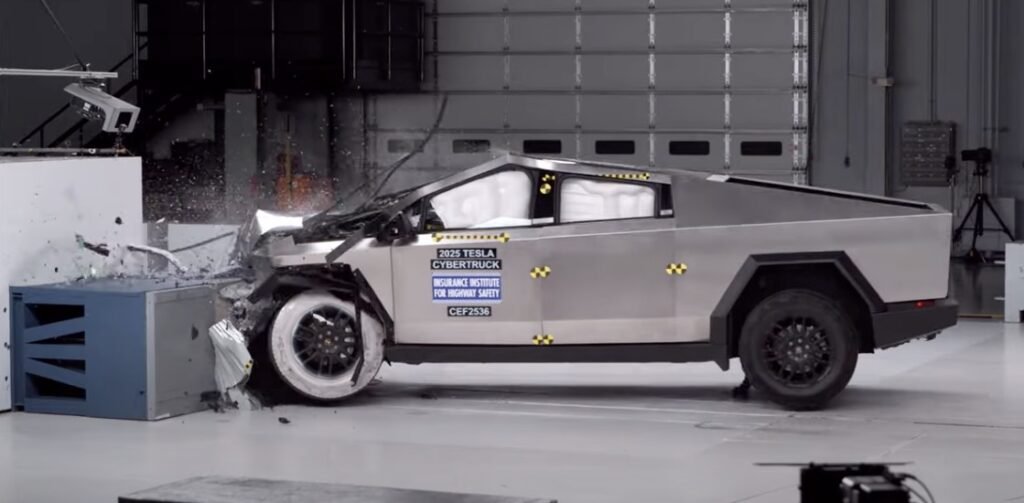
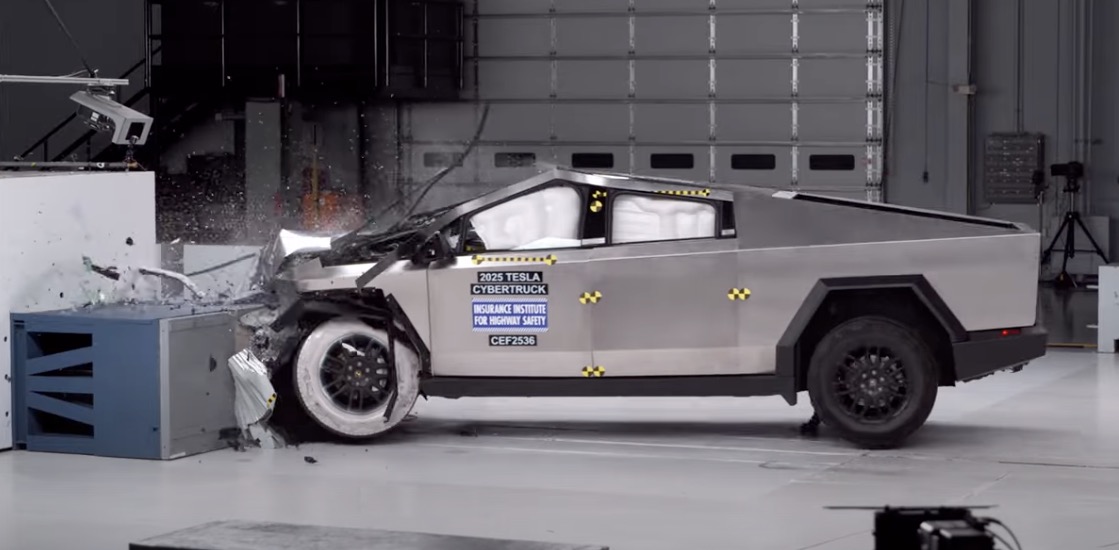
A significant lawsuit has been filed in Harris County District Court, Texas, following a harrowing incident where a Tesla Cybertruck, reportedly operating on Autopilot, veered off an overpass in Houston and collided with a concrete barrier. The plaintiff, a Texas woman, is seeking over $1 million in damages from Tesla. Adding an unusual and pointed layer to the legal proceedings, the lawsuit includes an allegation that Tesla demonstrated negligence in its hiring and continued employment of Elon Musk as its Chief Executive Officer.
This legal action underscores a growing trend of litigation surrounding Tesla’s advanced driver-assistance systems, particularly its “self-driving” capabilities. The frequency of such cases indicates a deepening scrutiny of the technology and the company’s disclosures regarding its performance and safety.
The filing comes at a time when Tesla is already facing a substantial legal burden related to its Autopilot and Full Self-Driving (FSD) systems. Just weeks prior to this new lawsuit, a federal judge upheld a landmark $243 million judgment against the automaker stemming from another Autopilot-related crash. These ongoing legal battles highlight critical questions about the reliability of Electric Vehicles (EVs) equipped with advanced autonomous features and the responsibilities of manufacturers in ensuring their safe operation.
The Autopilot Incident and Legal Ramifications
The core of the current lawsuit revolves around the specific incident involving the Cybertruck. Details emerging from the case suggest that the vehicle, while engaged with its Autopilot system, deviated from its intended path, leading to the dramatic crash. The plaintiff’s claim that Tesla was negligent in its management of Elon Musk as CEO is a novel and potentially significant aspect of the case. This specific allegation suggests a broader concern about leadership and corporate governance directly impacting product safety within the realm of Electric Vehicles and EV Tech.
Legal experts note that while direct claims against a CEO for hiring decisions are uncommon, this approach might aim to establish a pattern of alleged oversight failures that could extend to product development and deployment strategies. The lawsuit’s success on this point could set a precedent for future litigation involving technology companies and their high-profile leaders, particularly in rapidly evolving sectors like Electric Vehicles.
The growing volume of lawsuits directly impacts Tesla’s public image and financial standing. Each case, especially those involving serious accidents, adds to the pressure on the company to provide robust safety assurances and transparent communication about the capabilities and limitations of its EV Tech. The $243 million verdict serves as a stark reminder of the financial consequences that can arise from perceived system failures.
Broader Context of EV Tech and Autonomous Driving Litigation
This Cybertruck incident and subsequent lawsuit are emblematic of a larger debate within the Electric Vehicles industry regarding the progression towards autonomous driving. While the promise of enhanced safety and convenience through advanced driver-assistance systems is a significant draw for consumers, the reality of their performance in diverse and unpredictable real-world scenarios continues to be a subject of intense scrutiny and legal challenge. The integration of sophisticated EV Tech requires rigorous testing, clear user education, and a commitment to addressing any identified safety concerns promptly.
Tesla, as a pioneer in the Electric Vehicles market, has been at the forefront of developing and deploying these advanced technologies. However, this leadership position also places the company under a magnified spotlight when issues arise. The company’s reliance on extensive data from its fleet of Electric Vehicles to train its autonomous driving systems is a core part of its EV Tech strategy, but it also means that any flaws in the system can potentially affect a large number of vehicles.
The legal landscape surrounding autonomous driving is still very much in its formative stages. Courts and regulatory bodies are working to establish clear frameworks for accountability and liability. Cases like the one involving the Cybertruck will undoubtedly play a crucial role in shaping these future regulations and consumer expectations for Electric Vehicles and their sophisticated EV Tech features. The outcome of such lawsuits will have far-reaching implications for the entire Electric Vehicles sector, influencing how quickly and safely autonomous driving technology is adopted by the public.