

Navigating the Electric Vehicle Transition Amidst Fuel Price Volatility
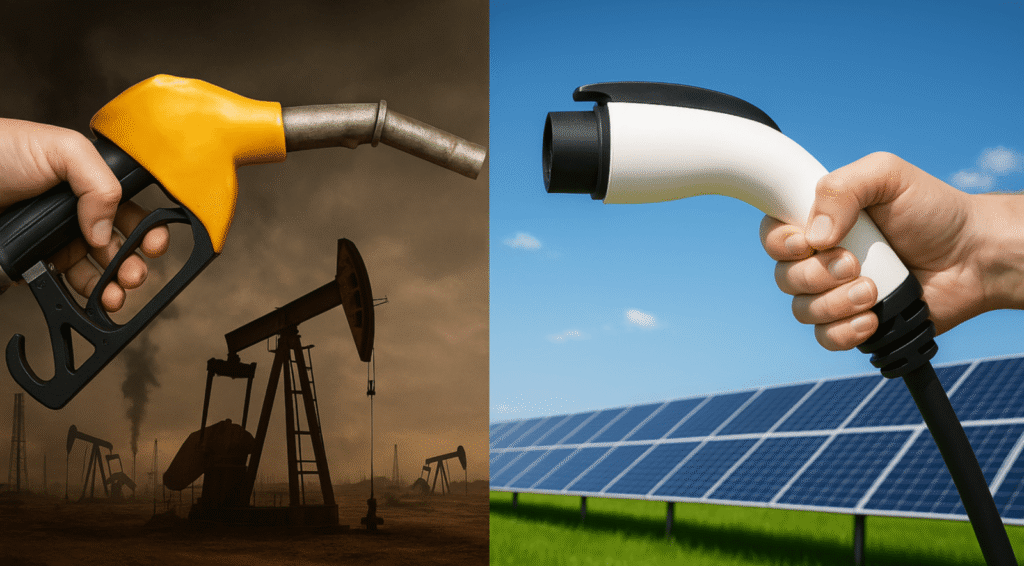
As global events continue to influence fuel costs, the conversation around the adoption of Electric Vehicles (EVs) inevitably gains momentum. The advice to “just buy an electric car” resurfaces with renewed vigor whenever gasoline prices surge. This recommendation, while fundamentally sound, warrants a closer examination beyond its immediate financial appeal for individual consumers.
There’s no denying the significant cost savings that Electric Vehicles offer concerning daily operation. For many drivers, particularly those who rely on their vehicles for essential daily commutes and tasks, transitioning from a traditional internal combustion engine (ICE) vehicle to an EV presents a compelling financial proposition. The reduction in “fueling” expenses can be substantial, offering a predictable and often lower cost per mile compared to gasoline. Beyond individual savings, a widespread shift towards Electric Vehicles is increasingly recognized as a critical pathway toward enhanced energy independence. By reducing reliance on fossil fuels subject to geopolitical instability, nations can bolster their energy security and insulate their economies from the volatile fluctuations of the global oil market. This aspect of EV adoption is crucial for long-term economic stability and national security.
The Pragmatic Hurdles to Widespread EV Adoption
Despite the undeniable benefits, the popular refrain of “just buy an electric car” overlooks a significant practical barrier: the prohibitive cost and logistical challenges associated with outright vehicle replacement for a vast segment of the population. For many households, particularly those on tighter budgets, the upfront investment required for a new Electric Vehicle remains a significant hurdle. The current market, while expanding, still presents a considerable price gap compared to comparable gasoline-powered vehicles, making the switch an unaffordable luxury for a substantial portion of potential adopters. This economic reality means that the immediate solution offered by EV adoption is not accessible to everyone who might benefit from it.
Furthermore, the transition to Electric Vehicles is not solely about the purchase price. It involves a complex ecosystem of charging infrastructure, battery technology, and consumer education. While charging networks are expanding, the availability and speed of charging can still be a concern for those living in rural areas or apartment complexes without dedicated charging facilities. The range anxiety, though diminishing with technological advancements, remains a psychological barrier for some prospective EV buyers. These are not insignificant considerations when contemplating a life-altering purchase like a new vehicle. The existing infrastructure and the user experience of charging need to mature further to accommodate the needs of all potential EV drivers, ensuring a seamless transition from the familiar refueling routine of gasoline cars.
Beyond New Purchases: Exploring Accessible EV Solutions
Given these challenges, the focus must broaden beyond simply encouraging the purchase of new Electric Vehicles. A more nuanced and inclusive approach is required to accelerate the transition to cleaner transportation. This includes exploring pathways for existing vehicle owners to benefit from EV technology without the burden of a full vehicle replacement. One such avenue lies in the potential for retrofitting older gasoline vehicles with electric powertrains. While this technology is still in its nascent stages and faces its own set of engineering and cost challenges, it holds promise for extending the life of existing cars and making electric propulsion accessible to a wider demographic. Such solutions could democratize access to EV benefits, allowing more people to partake in the cost savings and environmental advantages.
Another critical area of focus involves the development and deployment of more affordable Electric Vehicle models. As battery costs continue to decline and manufacturing scales increase, the price point of new EVs is expected to become more competitive. Government incentives, such as tax credits and rebates, also play a vital role in bridging the affordability gap. Additionally, fostering the growth of the used EV market can provide a more budget-friendly entry point for consumers. As more new EVs enter the market, a greater supply of pre-owned electric cars will become available, offering significant savings. The rapid evolution of EV Tech is continuously pushing the boundaries of what is possible, and sustained innovation in battery efficiency, charging speed, and manufacturing processes will be key to unlocking the full potential of Electric Vehicles for everyone.