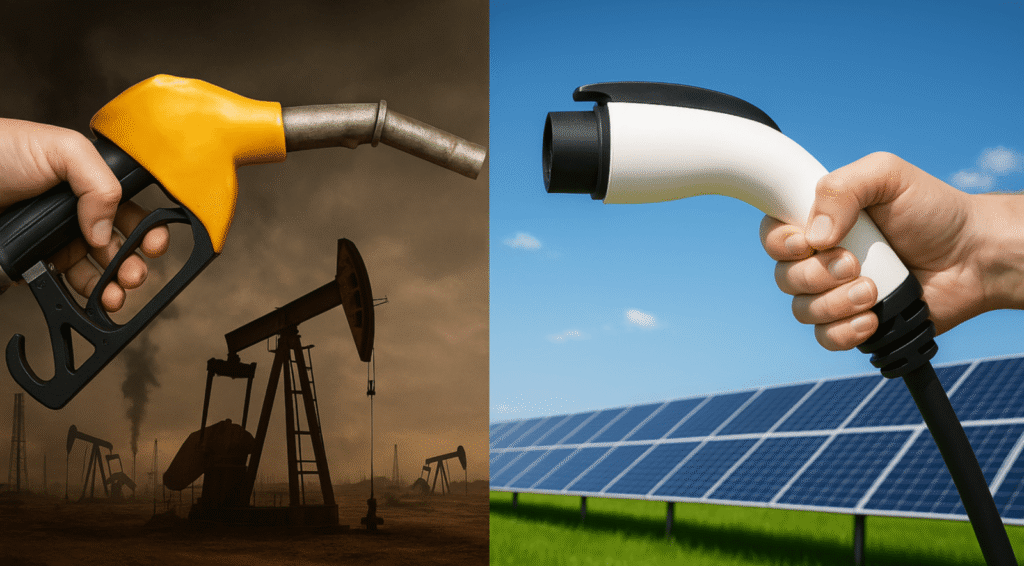
In a bombshell move that has sent shockwaves through the tech industry and environmental organizations worldwide, social media giant Meta has officially abandoned its high-profile commitment to 100% renewable energy. The parent company behind Facebook, Instagram, and WhatsApp has quietly exited the global corporate climate initiative known as RE100. Why? To fuel an insatiable, energy-guzzling fleet of artificial intelligence data centers with good old-fashioned fossil fuels.
For years, Meta paraded its green credentials, boasting to investors and consumers alike that its operations were powered by clean, sustainable electricity. But as the cutthroat war for AI dominance heats up, Mark Zuckerberg’s tech empire has hit a massive energy bottleneck. Solar and wind power simply cannot keep up with the overwhelming voltage required to train and run massive next-generation artificial intelligence models. As a result, Meta is turning back the clock and bankrolling a vast network of brand-new, gas-fired power plants.
The Shocking Betrayal: Meta Quits RE100
The global climate initiative RE100, spearheaded by The Climate Group, represents the world’s most influential businesses committed to 100% renewable electricity. Meta’s sudden departure marks one of the most high-profile defections in corporate history, exposing a dirty secret lurking behind the glossy promises of Silicon Valley: artificial intelligence is an environmental catastrophe in the making.
Insider reports reveal that Meta’s decision was driven by sheer necessity to maintain its aggressive AI roadmap. The company is pouring tens of billions of dollars into constructing megawatt-heavy infrastructure across North America. Renewable energy grids, hampered by storage limitations and intermittent generation, are simply incapable of providing the uninterrupted, high-voltage baseload power that modern AI supercomputers demand 24 hours a day, 7 days a week.
Fossil Fuels Fueling the Artificial Intelligence Boom
Generative AI models require exponentially more computing power than traditional algorithms. Every single prompt generated, image created, and neural network trained draws colossal amounts of power directly from local electrical grids. Rather than scaling back its AI ambitions or waiting for renewable storage technologies to mature, Meta chose the faster, dirtier route: constructing massive natural gas facilities.
Critics are calling the move a devastating blow to global climate goals. Environmental activists are expressing outrage over Meta’s decision to actively bankroll new fossil fuel infrastructure at a time when global leaders are calling for a rapid phase-out of gas and coal. By directly funding new gas plants, Meta isn’t just buying dirty power—it is ensuring that fossil fuel infrastructure remains locked in place for decades to come.
What This Means for the Future of Tech Sustainability
Meta is not the only tech titan facing an existential energy crisis, but its unabashed pivot to natural gas sets a dangerous precedent for the entire industry. As Google, Microsoft, and Amazon scramble to expand their own AI empires, analysts fear a domino effect where environmental promises are systematically tossed aside in pursuit of algorithmic supremacy.
Here is a quick look at the alarming realities of Meta’s massive pivot:
- Meta has officially withdrawn from the prestigious RE100 renewable initiative.
- The company is actively funding new gas-fired power plants to meet AI energy demands.
- AI workloads consume up to ten times more electricity than standard cloud computing tasks.
- Fossil fuel dependency threatens to undo decades of corporate carbon-reduction progress.
The stark reality is now unavoidable: the race for artificial intelligence is consuming the planet’s resources at an unprecedented rate. Meta’s shocking retreat from renewable energy proves that when silicon clashes with sustainability, corporate profits and AI dominance will win every single time. As public backlash continues to mount, all eyes are on Mark Zuckerberg to see if Meta will answer for its hypocritical green turn or double down on dirty energy.