
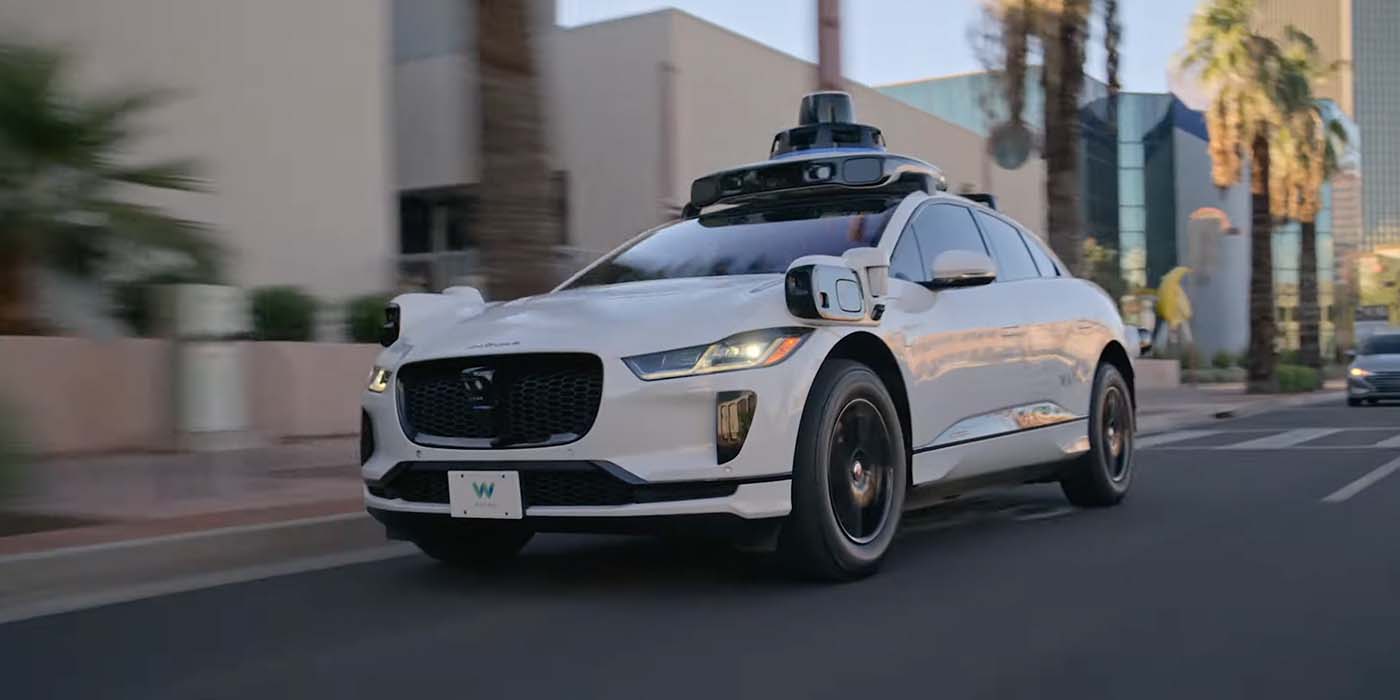
In a terrifying reality check for human motorists, artificial intelligence is officially taking over the steering wheel—and it might just save your life! Shocking new research from top automotive safety organizations reveals a jaw-dropping statistic: Waymo’s self-driving electric robotaxis are dramatically outperforming human beings behind the wheel. Is this the end of human driving as we know it, or are we being blinded by Big Tech hype?
Shocking New Data Exposes the Lethal Reality of Human Drivers
Every single year, millions of devastating car accidents plague roads worldwide, mostly caused by human error, distracted driving, speed demons, and road rage. But while human drivers continue to make reckless mistakes, autonomous electric taxis are quietly navigating busy city streets with chilling, robotic precision. According to bombshell research released by the Insurance Institute for Highway Safety (IIHS), Waymo autonomous vehicles are officially involved in an astonishing 68% fewer crashes compared to average human drivers!
Read that again: a massive 68 percent drop in collisions! For decades, critics warned that self-driving cars were a death trap waiting to happen. Yet, the brutal numbers prove that silicon chips and advanced LiDAR sensors do not get sleepy, do not text while driving, and definitely do not take dangerous risks at midnight. When Waymo’s driverless vehicles do end up in fender benders, the IIHS confirms that these accidents are significantly lower in severity compared to the horrific wrecks caused by flesh-and-blood motorists.
The Mind-Blowing 68% Reduction in Deadly Crashes
How are these futuristic AI chauffeurs pulling off such miraculous safety records? The answer lies in their ultra-sophisticated hardware and instant machine reaction times. Equipped with high-definition cameras, radar, and cutting-edge optical sensors, a Waymo vehicle processes its surrounding environment thousands of times per second. While a human driver takes precious seconds to react to a sudden brake light or a pedestrian stepping into the crosswalk, the autonomous system calculates safety vectors instantaneously.
Furthermore, Waymo’s electric fleet adheres strictly to local speed limits, never drives under the influence, and remains totally immune to aggressive road rage incidents that claim thousands of human lives every year. The dramatic crash reduction isn’t just a minor statistical anomaly; it is a monumental leap forward in automotive history that could fundamentally alter city transit forever.
The Dark Caveats Big Tech Doesn’t Want You to Know
Before you completely surrender your steering wheel to our new AI overlords, experts warn that there are massive, critical caveats hiding inside this seemingly miraculous data. Sensational headlines claiming complete robot victory might not tell the whole terrifying story. Safety analysts point out several key factors that limit the validity of these jaw-dropping stats:
- Fair-Weather Dominance: Waymo robotaxis operate primarily in carefully mapped urban zones under ideal weather conditions, completely avoiding extreme blizzards, treacherous black ice, and heavy mountain terrain that trap human motorists.
- Restricted Route Selection: These autonomous electric taxis rarely face high-speed, chaotic rural highways where the vast majority of fatal human crashes actually occur.
- Skewed Sample Sizes: The total number of autonomous miles driven pales in comparison to the trillions of miles driven by humans annually, making direct comparisons far more complex than tech giants admit.
- Controlled Driving Environments: Fleet operators frequently pull robotaxis off the road during extreme weather events or citywide disruptions, safety luxuries average commuters simply do not have.
While a 68% reduction in crash rates sounds like an absolute miracle, industry skeptics argue that comparing localized robotaxi fleets to overall human driver averages is like comparing apples to oranges. Waymo vehicles operate under pristine, high-tech supervision that human drivers could only dream of. Yet, despite these caveats, the raw numbers present an undeniable truth: autonomous electric vehicles are evolving at a breakneck speed, leaving distracted human drivers in the dust!
Are you ready to climb into the back seat of a driverless robot taxi, or will you fight to keep your hands on the steering wheel forever? The future of transportation is here, and the AI revolution is moving faster than anyone ever predicted!