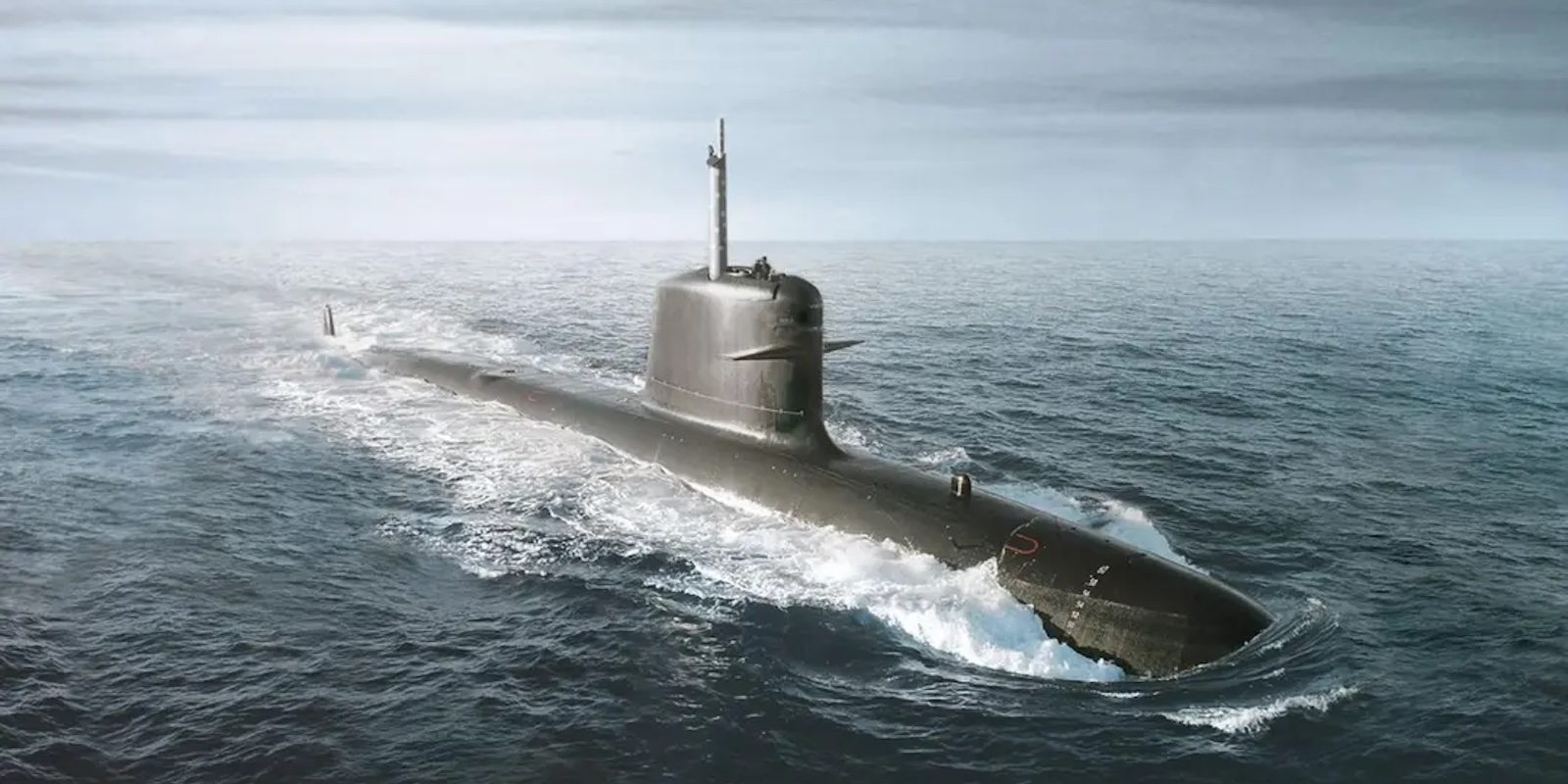
Deep beneath the ocean surface, a terrifying silent revolution is taking place that could change the future of naval warfare forever. For over a century, stealthy submersibles relied on ancient, heavy, and notoriously inefficient lead-acid batteries to creep through international waters. But that era is officially DEAD. Defense giant Saft has shattered naval norms by deploying massive, electric vehicle-style lithium-ion battery packs to power the next generation of lethal military submarines.
The implications are staggering. By adopting modern energy storage, naval forces are unlocking unprecedented underwater endurance, lightning-fast charging speeds, and a level of silent lethality that global rivals simply cannot match. Is the world ready for hyper-powered electric submersibles lurking unchecked in the oceanic abyss?
The Death of Lead-Acid: A Terrifying Leap in Naval Warfare
For decades, military engineers faced an agonizing operational bottleneck. Submarines were severely restricted by archaic lead-acid battery chemistries that demanded frequent, dangerous surfacing maneuvers to recharge. Every minute spent near the surface exposed these multibillion-dollar stealth assets to enemy radar, satellite tracking, and devastating anti-submarine strikes.
Enter European defense contractor Saft, a trailblazer tearing up the military rulebook. By replacing primitive battery systems with high-tech, high-density lithium-ion arrays, military fleets are effectively upgrading from horse-drawn carriages to modern hypercars overnight. This massive leap in technology means modern attack submarines can stay submerged for unprecedented lengths of time, slipping past underwater sonar arrays completely undetected.
Unprecedented Underwater Stealth and Lethal Power
Why is this upgrade sending shockwaves through defense ministries around the globe? It all comes down to raw energy density and charge speeds. Traditional submarine batteries took painful hours—sometimes days—to fully top off, putting crews in extreme danger during hostile operations. Saft’s new lithium-ion systems dramatically collapse charge times while packing double the usable energy into the exact same physical footprint.
This means military commanders no longer have to compromise between tactical speed and battery life. Submarines can now dash at high speeds to intercept threats or reposition across thousands of miles of ocean, all while retaining enough power to disappear into silent running modes at a moment’s notice. The psychological impact on naval opponents is immense; hunting a silent, lithium-powered submarine is like searching for a ghost in a dark room.
Electric Vehicle Tech Goes Deep Sea Secret
The technological foundation driving this underwater shift comes directly from the hyper-competitive commercial electric vehicle revolution. Over the past decade, automotive titans poured hundreds of billions of dollars into perfecting lithium-ion chemistry, thermal management, and safety protocols. Now, defense engineers are harvesting those civilian breakthroughs to build nearly invincible deep-sea monsters.
However, adapting EV batteries for military submersibles is no easy feat. At crushing depths, a single thermal runaway event could lead to catastrophic failure. Saft has engineered military-grade cooling, ultra-durable shock protection, and multi-layered safety redundancies to ensure these battery packs withstand the raw violence of combat. As superpowers race to dominate the seas, the line between high-tech consumer electronics and terrifying war machines is blurring faster than ever. With lithium-ion batteries officially taking over the oceanic depths, the future of stealth warfare is quiet, electric, and undeniably terrifying.