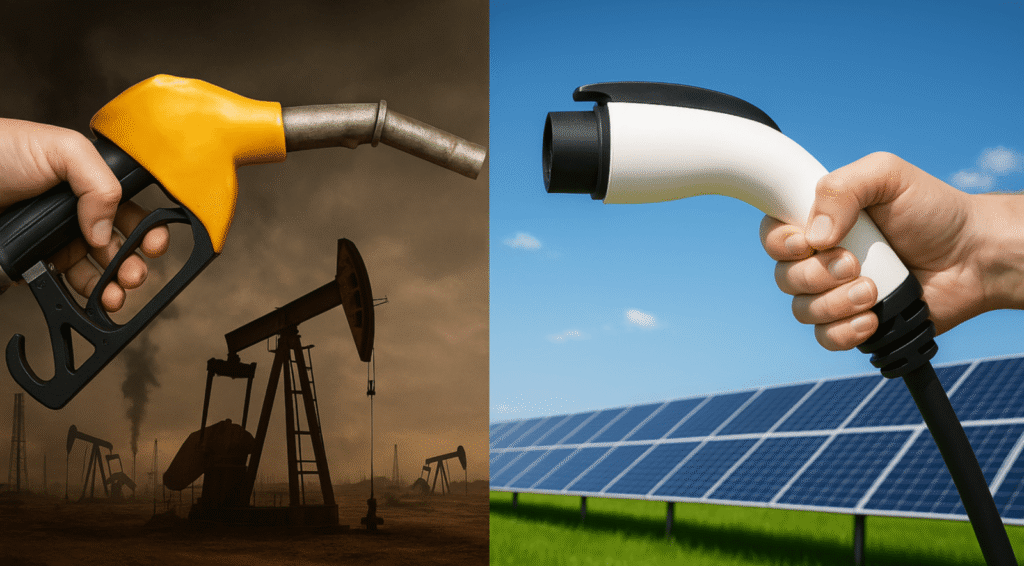
In a jaw-dropping twist of fate that has traditional motorsport enthusiasts completely stunned, the roar of gas-guzzling V8 engines has been silenced by the futuristic hum of ultra-efficient solar technology! Day one of the electrifying Formula Sun Grand Prix (FSGP) 2026 has officially wrapped up, and the world of racing will simply never be the same again. History was made right before our eyes as cutting-edge solar vehicles took over the iconic Brainerd International Raceway in Brainerd, Minnesota, marking a dramatic turning point in modern racing history.
For decades, Brainerd International Raceway was revered as a holy sanctuary for high-octane gasoline monsters. The legendary 3.1-mile road course earned a fierce reputation for punishing high speeds, fiery exhaust notes, and endless burnouts. But this week, the narrative took an incredible turn that nobody saw coming. The gas reign is officially over, and the sun has taken total control of the track in a mind-blowing spectacle of green energy and extreme engineering!
The Sun Takes Over: A Historic Shift in Racing
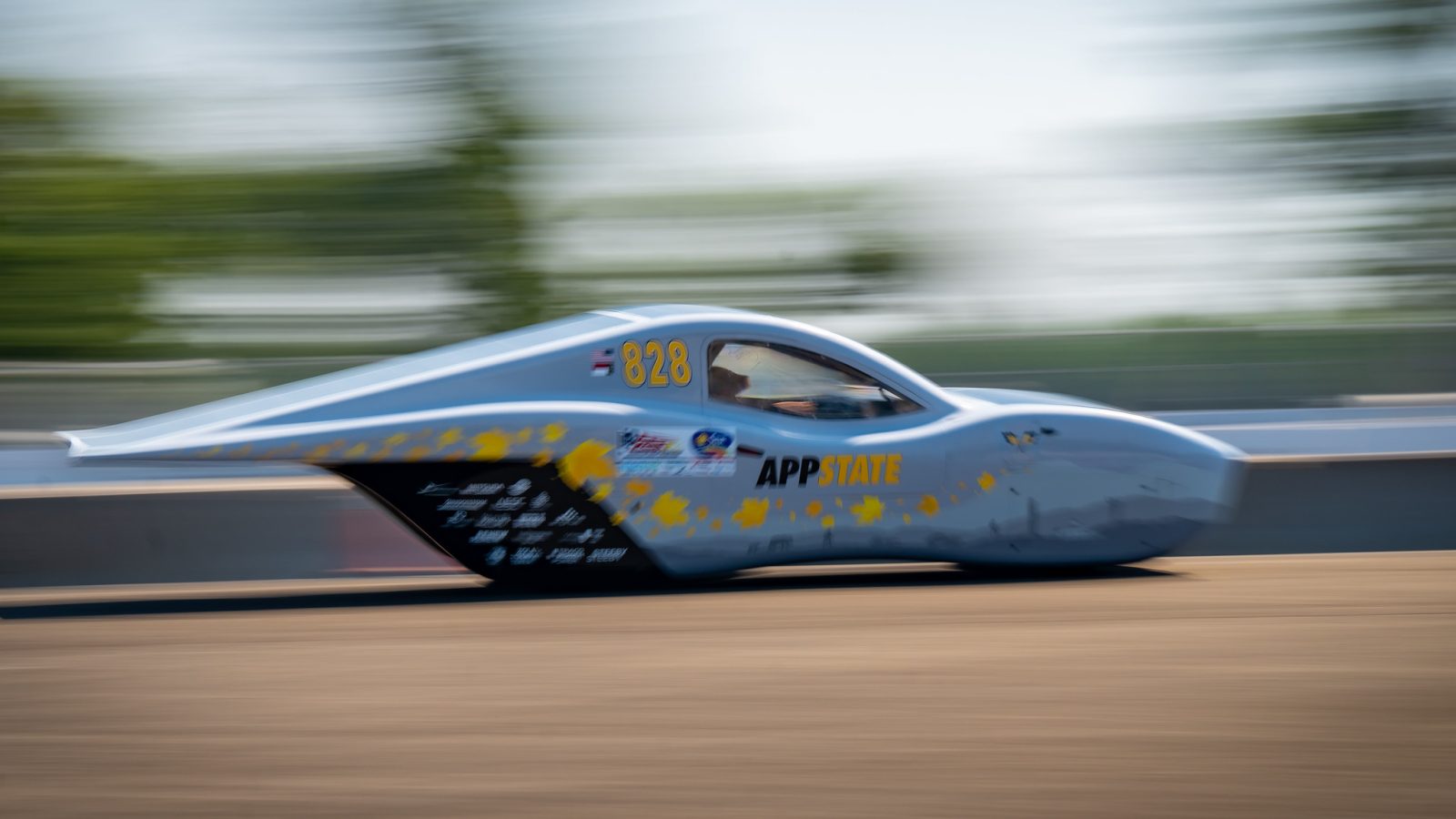
The sheer spectacle of seeing sleek, hyper-aerodynamic solar cars gliding quietly across Brainerd’s notorious asphalt left spectators utterly speechless. Day 1 delivered endless high-stakes drama as student teams and engineering prodigies from across the globe pushed their sun-powered machines to the absolute limit. With zero reliance on fossil fuels, these brilliant minds proved that high-performance speed and extreme sustainability can dominate even the most challenging road courses on Earth.
The intense summer heat of Minnesota provided the ultimate testing ground for these futuristic vehicles. Solar arrays were working overtime, converting raw solar radiation into insane electrical power that propelled lightweight carbon-fiber chassis down the 3.1-mile circuit. The silence on the track was eerie yet terrifyingly impressive, as the only sound filling the air was the whisper of wind rushing over advanced aerodynamic curves and the high-tech whine of electric motors running at peak efficiency.
Pushing Solar Limits on a 3.1-Mile Track
Navigating the complex turns and long straightaways of Brainerd International Raceway required unmatched strategic genius from every single team. Driver efficiency, battery temperature management, and solar energy capture had to be calculated down to the microscopic second. One tiny mistake in energy management could leave a multi-million dollar solar car dead in the water, stranded on the hot track while competitors surged ahead powered purely by rays from above.
Spectators witnessed insane close-call overtakes and masterclass energy preservation tactics that rivaled the high-stakes drama of traditional racing series. Engineers in the pit lanes monitored live telemetry with feverish intensity, calculating precise speeds to maximize energy capture while preserving crucial battery reserves. It was a heart-stopping game of futuristic chess played out at terrifyingly fast speeds!
Why Gas Racers Are Panicking Right Now
The groundbreaking success of Day 1 at FSGP 2026 sends a loud, clear, and undeniable warning shot across the entire traditional automotive industry. What was once dismissed as a niche academic experiment has exploded into a full-blown revolution capable of conquering historic racetracks traditionally reserved for gas-powered beasts. Track officials and traditional racing fans watched in complete awe as these futuristic cars sustained impressive lap times without burning a single drop of fuel or emitting a single gram of carbon emissions.
As the sun finally set over Brainerd, Minnesota, ending an unforgettable first day of competition, one truth became crystal clear: the era of noisy, polluting gas engines is rapidly fading into history. The Formula Sun Grand Prix 2026 has proven that the future of high-speed racing belongs entirely to the sun. With several days of high-intensity racing still ahead, the world is watching with bated breath to see which team will claim ultimate solar glory on this legendary circuit!