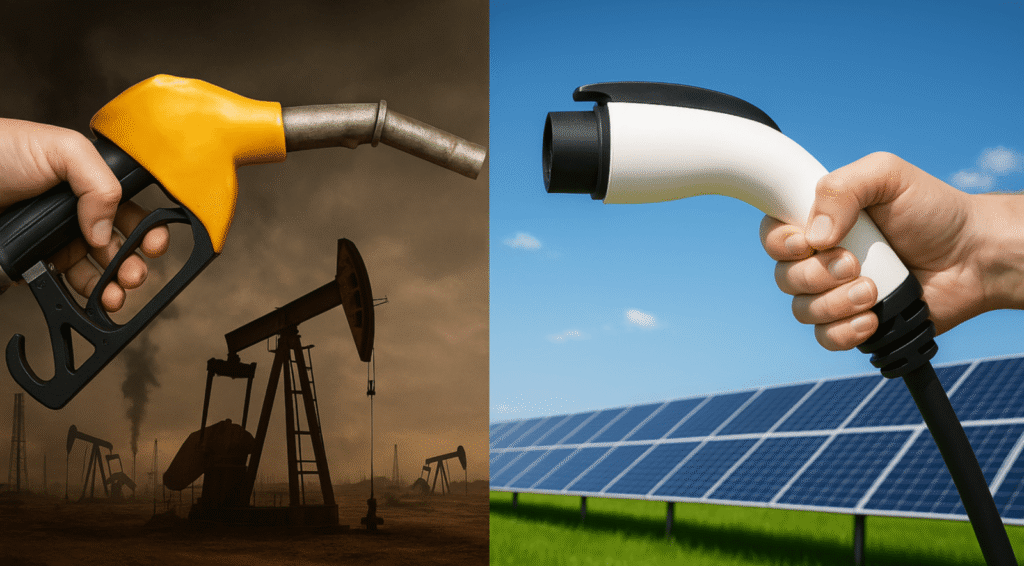
In a jaw-dropping turn of events that has sent seismic shockwaves through the global automotive industry, General Motors is pulling off the ultimate U-turn! Just when the world believed the internal combustion engine was headed straight for the history books, America’s iconic auto empire is quietly making a massive strategic retreat. Industry observers and green-energy advocates are rubbing their eyes in utter disbelief as GM secretly prepares to bring back gas-powered vehicles to showrooms nationwide over the next few years.
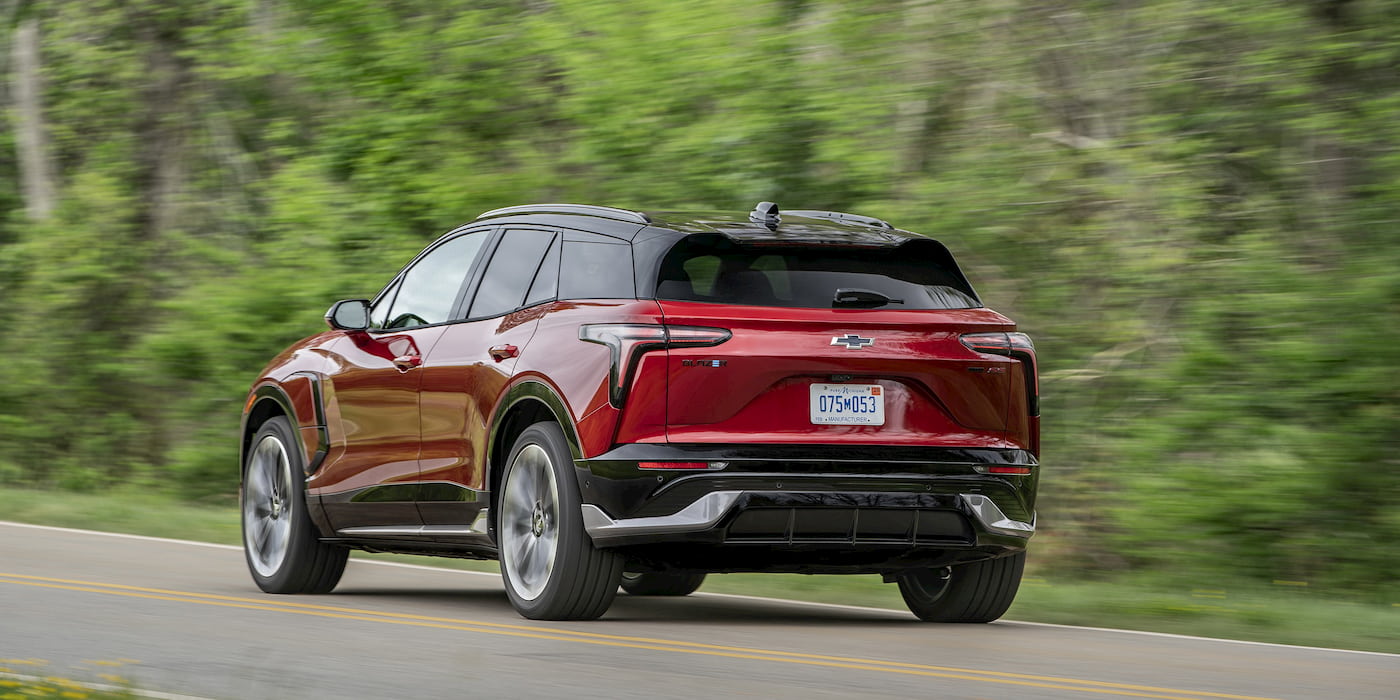
This explosive news comes at a time when Chevrolet had triumphantly cemented its reputation as the second most popular electric vehicle brand in the United States, trailing only behind Elon Musk’s dominant Tesla empire. Meanwhile, Cadillac was carving out a lucrative, high-stakes footprint in the elite luxury EV marketplace. But now, the dream of an all-electric future is crashing headfirst into harsh economic reality.
The Shocking U-Turn That Shook the Automotive World
How could an industry titan that spent billions boasting about an all-electric tomorrow suddenly execute such an embarrassing retreat? The answers reveal a desperate struggle behind closed corporate doors. Despite aggressive marketing pushes and overwhelming media hype, mainstream car buyers simply are not adopting pure electric vehicles at the frantic pace corporate executives rashly promised shareholders.
According to emerging reports on industry trends, driver enthusiasm for pure electric drivetrains has dramatically cooled down. The everyday American driver is growing increasingly exhausted by real-world EV ownership headaches that glossy commercials conveniently choose to ignore. From terrifying range anxiety on frozen winter highways to broken public charging stations, consumer frustration has finally reached an explosive boiling point.
Why Consumers Are Turning Their Backs on Pure EVs
The sudden strategic shift inside General Motors isn’t happening in a vacuum. A toxic cocktail of market forces has forced top executives to re-evaluate their entire roadmap. Here are the core factors driving this dramatic return to fossil fuels:
- Skyrocketing Battery Costs: Raw material shortages and supply chain nightmares have kept electric car prices stubbornly out of reach for average middle-class families.
- Infuriating Charging Infrastructure: Millions of commuters lack reliable home charging access, while public charging networks remain plagued by broken plugs and massive lines.
- Resale Value Disasters: Rapid technological depreciation is causing used EV values to plummet far faster than traditional gas-powered cars.
- Cold Weather Performance Slumps: Freezing temperatures continue to severely degrade battery range, leaving drivers stranded in winter storms.
What This Means for the Future of Chevrolet and Cadillac
For millions of loyal Chevrolet and Cadillac owners, GM’s massive pivot represents a total revolution in what to expect on dealership lots over the next several years. Instead of phasing out internal combustion engines entirely, GM is expected to flood the market with high-efficiency gas models alongside advanced plug-in hybrid options. This strategic compromise aims to deliver the reliability, distance, and convenience drivers desperately crave without forcing them into total battery dependence.
The high-stakes game of automotive chess has officially been completely rewritten. Is GM’s shocking move a brilliant stroke of genius that puts customer desires first, or a catastrophic failure to adapt to the future? One thing is guaranteed: the war between gas and electric has just taken its most scandalous turn yet, and the entire automotive industry is watching with bated breath!