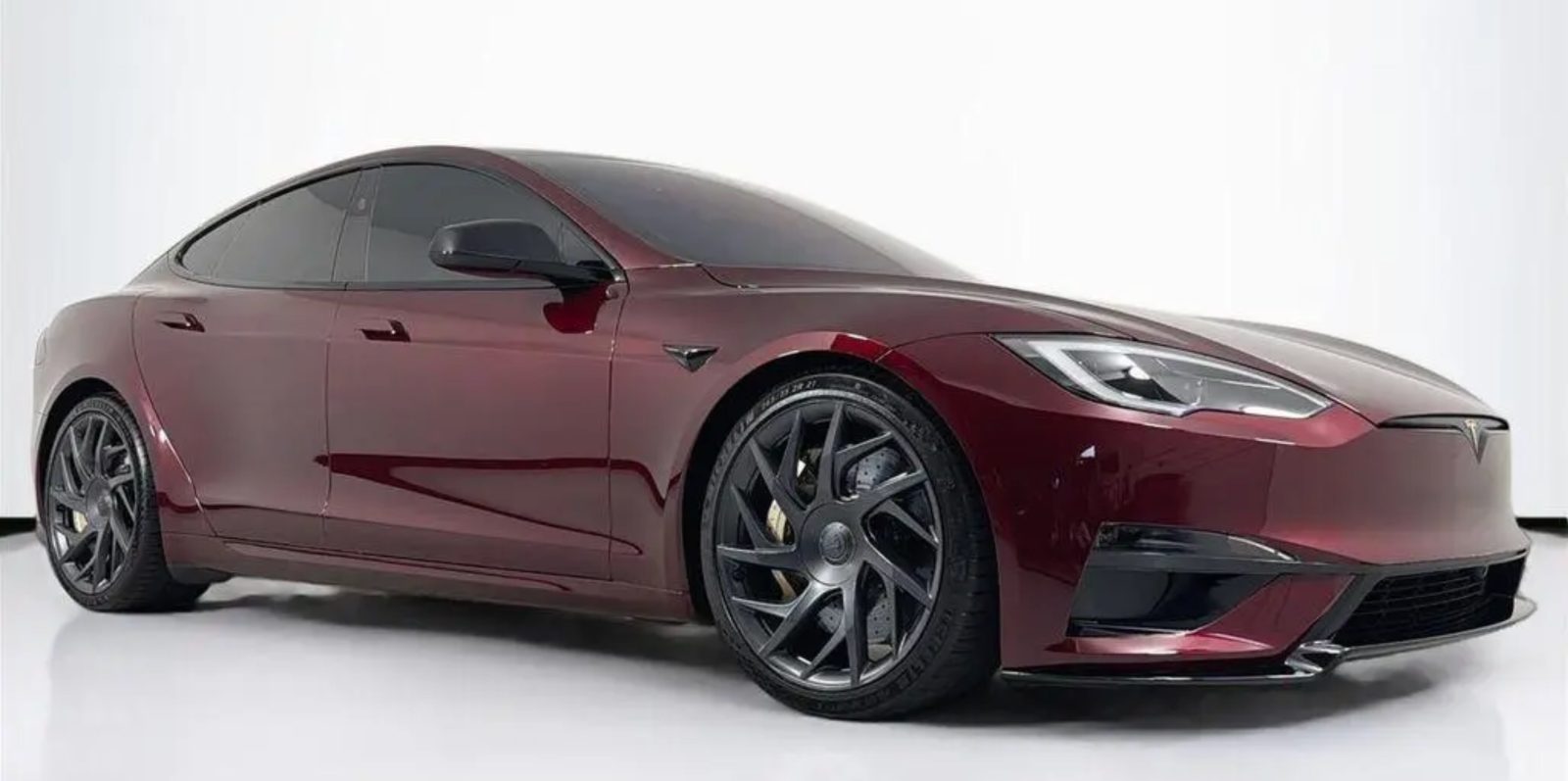
Automotive enthusiasts thought the era of jaw-dropping dealership markups had reached its absolute peak, but a New Jersey auto vendor has proved everyone wrong with a listing that is sending shockwaves through the electric vehicle community. A dealership named J&S Autohaus, located in Ewing, New Jersey, has placed an astonishing price tag of $259,995 on a barely-driven, decade-old Tesla Model S Signature edition. This massive asking price represents an unheard-of markup of roughly $100,000 over what Tesla originally charged its eager early adopters when the flagship sedan first hit the market. To put this mind-boggling valuation into perspective, you could easily purchase two brand-new, top-of-the-line Tesla Model S Plaids today and still walk away with tens of thousands of dollars left in your bank account.
Is This Ultra-Low Mileage Tesla Model S Signature Worth the Sizzling Markup?
The vehicle causing such an uproar across automotive forums is not just any standard electric sedan. It proudly carries VIN #71, making it one of the very first full-production models to ever roll off the assembly line at Tesla’s flagship Fremont factory in California. Even more staggering than its low chassis number is the jaw-dropping reading on the odometer. The vehicle has accumulated a mere 297 miles over its entire twelve-year lifespan. For all practical purposes, this vehicle is a preserved time capsule straight out of 2012, standing as a living witness to the dawn of the modern electric transport revolution. However, critics and industry analysts are heavily divided on whether a first-generation electric vehicle—no matter how historic—can truly command a quarter-million-dollar price tag when battery technology has evolved so dramatically since its release.
A Time Capsule From the Dawn of the EV Revolution
Back in 2012, taking delivery of a Tesla Model S Signature edition was a bold declaration of faith in Elon Musk’s ambitious vision. At the time, legacy automakers and media pundits routinely predicted that the startup would go bankrupt. Early adopters willingly paid a heavy premium to secure one of the first 1,000 collector models produced, which came equipped with distinct factory features like Signature Red multi-coat paint, special chrome badges, and bespoke interior leather trims. For high-end car collectors seeking a tangible artifact of clean-tech history, owning VIN #71 is an undeniable flex. Enthusiasts frequently monitor market trends on automotive news sites like Electrek to see if early electric vehicles will ever reach the prestige levels of classic gas-powered sports cars.
Collector’s Dream or Outrageous Dealership Greed?
Despite the undeniable provenance of this low-mileage EV, seasoned car collectors are raising severe red flags regarding the long-term health of the vehicle’s mechanics. Unlike traditional internal combustion engines, electric vehicles depend on complex high-voltage lithium-ion battery chemistry that inherently degrades over time—even if the car sits completely stationary in a climate-controlled showroom. Leaving a massive 85 kWh battery pack sitting idle for over a decade with under 300 total miles driven could mean the internal cells require extensive servicing, software updates, or costly pack refurbishments to function safely.
Here are a few defining traits of this super-rare listing that are generating endless debates among automotive commentators:
- Extremely early production pedigree featuring factory VIN #71.
- An astonishingly low original odometer reading of just 297 miles.
- Rare, limited-run Signature Red paint option reserved exclusively for original reservation holders.
- An asking price of $259,995 compared to its original launch MSRP of roughly $105,000.
Ultimately, the open market will decide whether this electric relic finds a wealthy tech collector willing to drop supercar money on early EV history. While vintage gas-powered icons like classic air-cooled Porsches and vintage Ferraris routinely shatter auction records due to low mileage, the collector market for early EV classics remains entirely uncharted territory. Whether this deal represents a visionary investment opportunity or just an overly ambitious dealer attempting to profit off viral hype remains to be seen.