In a move that has sent absolute shockwaves through the automotive world, German titan Volkswagen is reportedly preparing to execute a devastating purge of its electric vehicle lineup. Industry insiders are reeling after revelations emerged that the automotive conglomerate plans to slash its EV offerings by an unprecedented 50%. This brutal consolidation strategy means that several highly anticipated and currently active electric vehicles, including premium models under the prestigious Audi and Porsche umbrellas, are suddenly facing the chopping block.
For years, drivers were promised a seamless, all-electric future where every traditional combustion model would have an eco-friendly counterpart. But the harsh realities of the global market have forced Volkswagen’s executive suite into survival mode. What was once a glorious expansion has transformed overnight into a desperate race to consolidate assets and trim the fat from their balance sheets.
The Electric Dream Dies: Inside Volkswagen’s Brutal 50% Cut
The scale of this reduction is nothing short of catastrophic for EV enthusiasts. Cutting a product portfolio by half is a move reserved for times of extreme crisis. Volkswagen’s decision-makers are signaling that the current trajectory of the electric market is unsustainable for their massive corporate infrastructure. High production costs, supply chain bottlenecks, and slower-than-expected consumer adoption rates have forced their hand.
According to leaked internal strategy discussions, the massive cull is designed to streamline manufacturing operations and redirect precious capital toward only the most profitable platforms. By reducing the complexity of their lineup, Volkswagen hopes to survive a brutal market correction that is already claiming victims across the automotive landscape. To keep up with these rapidly shifting industry dynamics, readers can track ongoing Volkswagen EV developments to see which specific models are confirmed for discontinuation.
Audi and Porsche in the Crosshairs
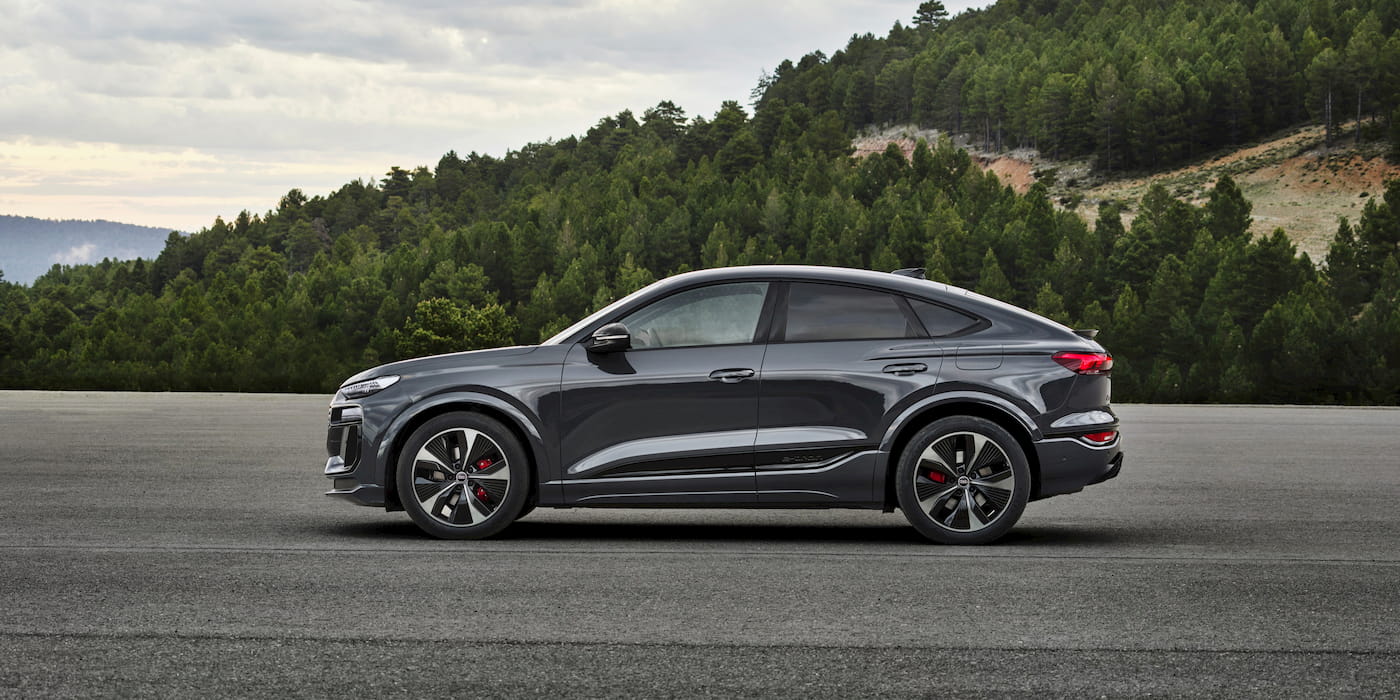
Perhaps the most shocking aspect of this massive downsizing is that Volkswagen’s ultra-premium sister brands, Audi and Porsche, are not safe from the executioner’s ax. Historically viewed as the cash cows of the Volkswagen Group, these luxury divisions are now facing agonizing decisions regarding their own electric line-ups. Vehicles that were meant to define the next generation of luxury performance may never see a successor.
Industry analysts speculate that niche luxury EVs, which require immense research and development budgets but sell in relatively low volumes, will be the first to go. While flagship models like the Porsche Taycan might survive due to their iconic status, mid-tier electric crossovers and experimental Audi e-tron variants could be quietly phased out. This represents a massive U-turn for brands that had previously pledged to go fully electric by the end of the decade.
Why the EV Market Is Shaking
This dramatic restructuring is not happening in a vacuum. The entire automotive sector is experiencing a profound chilling effect as the initial wave of enthusiastic early adopters subsides. Modern car buyers are expressing hesitation, driven by several persistent pain points:
- Inadequate Infrastructure: Public charging networks remain frustratingly unreliable and sparse in many regions.
- High Pricing: Despite manufacturing advances, electric vehicles remain significantly more expensive than their gas-powered counterparts.
- Resale Anxiety: Rapidly changing battery technology has caused used EV values to plummet, leaving consumers wary of long-term depreciation.
- Intense Competition: Cheap, high-tech electric vehicles from Chinese manufacturers are flooding global markets, putting immense pricing pressure on legacy European brands.
As Volkswagen prepares to wield the ax, the entire industry is watching closely. This massive 50% reduction may well be the first domino to fall in a broader industry-wide retreat from overly ambitious electrification targets. For consumers, the message is clear: if you have your eye on a specific Volkswagen, Audi, or Porsche EV, you had better buy it now before it vanishes from dealership lots forever.