The Hidden Crisis Threatening to Stop the EV Revolution in Its Tracks
For years, drivers have been promised a seamless, ultra-fast electric future. Governments and massive corporations poured billions into what seemed like an endless race to build the biggest EV fast-charging network on the planet. But behind closed doors, a dramatic shift is happening. The wild west era of endless charger installations is officially dead. A shocking new report from the second quarter of 2026 reveals that the industry has abruptly slammed the brakes on mindless expansion. Instead, they are pivoting to a strategy that could leave unprepared EV owners stranded in the cold.
This is not just a minor corporate adjustment—it is an existential transformation of how we power our vehicles. For the last five years, the headline-grabbing metric was always the sheer volume of plug-ins. More chargers was the golden rule. But as frustration mounts among drivers facing broken screens, cut cables, and agonizingly slow charging speeds, the corporate giants behind these networks have realized a terrifying truth: a massive network of broken chargers is worse than no network at all.
The Death of Quantity Over Quality: What Went Wrong?
According to industry insiders, the rapid rush to deploy charging stations across America has resulted in a chaotic, unreliable mess. Drivers routinely pull up to stations only to find them offline, glitched, or completely incompatible with their vehicles. This has fueled widespread range anxiety and threatened to completely stall the adoption of electric vehicles. As we look at the data from Q2 2026, the focus has drastically shifted. Power players are no longer chasing map coverage; they are desperately trying to fix what they already built.
The new priority is something the industry calls uptime maximization. This is corporate-speak for making sure the machines actually work when you plug them in. To achieve this, companies are redirecting massive portions of their capital away from digging up new parking lots and toward upgrading existing infrastructure. This critical shift means:
- Replacing outdated, low-power chargers with high-reliability hardware.
- Deploying advanced software diagnostics to predict failures before they happen.
- Hiring rapid-response maintenance crews to slash repair times from weeks to hours.
- Improving the customer experience by adding canopies, lighting, and retail amenities nearby.
The Profitability Trap: Why Your Charging Fees Are About to Skyrocket
There is a darker, more cynical reason behind this sudden pivot to quality. Building an EV fast-charging network is incredibly expensive, and for years, these networks have operated at a staggering loss. Vulture capitalists and corporate boards are demanding returns on their investments. The era of cheap, subsidized charging is rapidly coming to an end. To survive, these networks must become profitable businesses, and that means treating you, the driver, as a premium customer who is ripe for monetization.
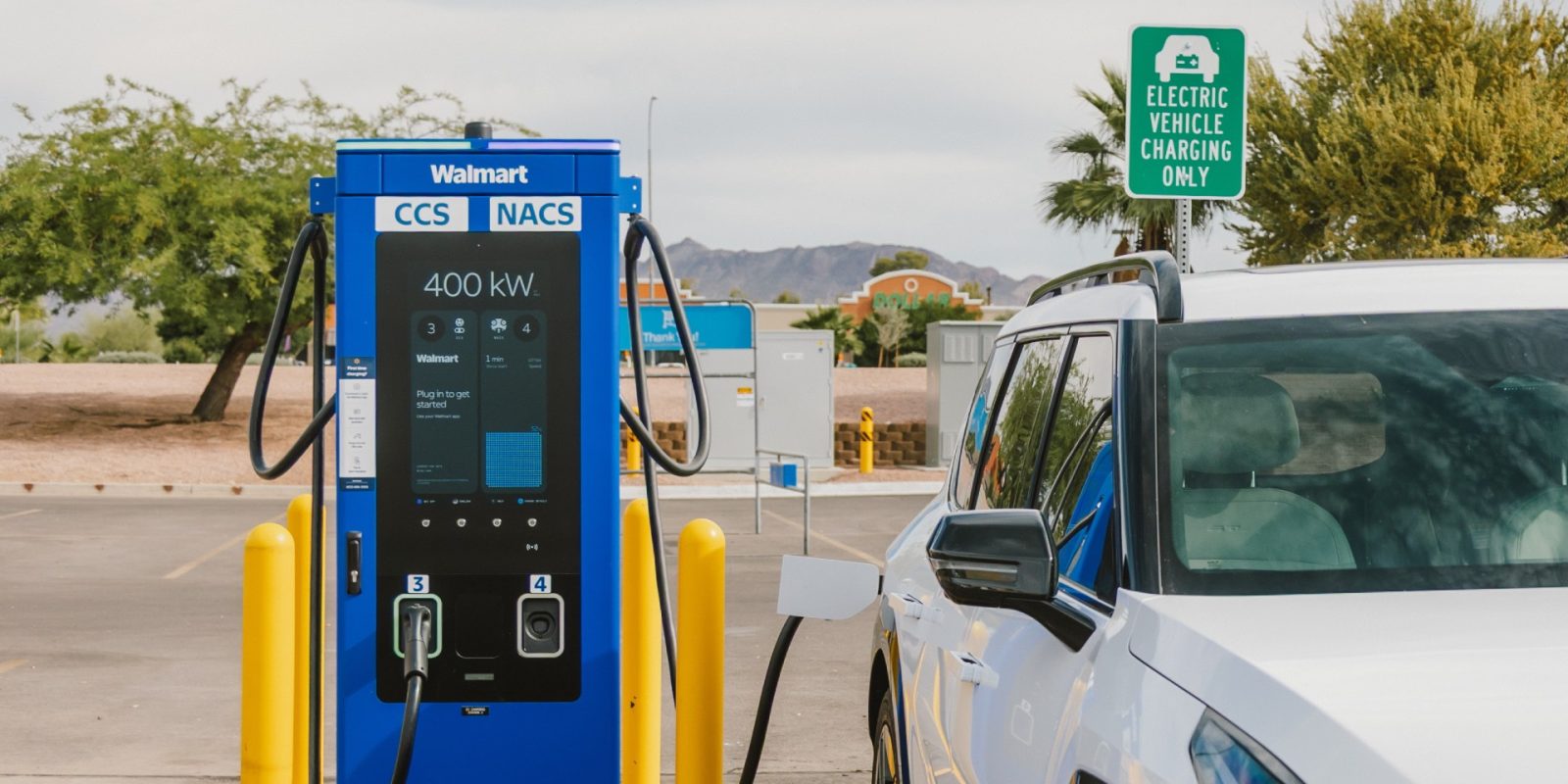
To secure these profits, companies are partnering with major retail giants, as Electrek reports, placing premium fast-charging hubs in the parking lots of superstores and major highways where drivers are forced to spend money while they wait. This symbiotic relationship ensures that while your car gets juiced up, you are spending money on coffee, groceries, and convenience items. It is a highly calculated ecosystem designed to extract every single dollar from your wallet.
But what does this mean for the average driver? In the short term, you might find fewer new charging locations popping up on your road trips. However, the stations you do find will likely be more reliable, faster, and unfortunately, significantly more expensive. The industry is betting that drivers will gladly pay a premium for a guaranteed, working charge rather than playing roulette with broken machines. Whether this gamble will save the EV revolution or permanently alienate budget-conscious consumers remains to be seen. One thing is certain: the wild, free-wheeling days of EV charging are gone forever.